
韩国今年第二季度从世界各地赚取的资金比支出多出1166.3亿美元,首次超过德国和日本的经常账户顺差之和。
South Korea earned US$116.63 billion more from the world than it spent in the second quarter of this year – exceeding the combined current account surpluses of Germany and Japan for the first time on record.
经常账户衡量一个国家与世界各地的贸易和收入。它统计向国外销售的商品和服务、海外投资所得以及反向流动的款项。顺差意味着流入的外币多于流出的外币。
The current account measures a country’s trade and income with the world. It counts goods and services sold abroad, money earned on overseas investments and payments flowing the other way. A surplus means more foreign currency is coming in than going out.
政府数据显示,半导体需求激增推动了韩国第二季度的顺差,芯片出口额在截至6月的三个月内达到1138.9亿美元,较去年同期增长181.6%。
Surging demand for semiconductors helped propel South Korea’s second-quarter surplus, with chip exports reaching US$113.89 billion in the three months to June, according to government figures – up 181.6 per cent from the same period last year.
随着全球人工智能热潮,近几个月内内存芯片价格飞涨。6月,美国制造商美光科技报告称,其价格环比上涨了高达80%。
Prices for memory chips have jumped in recent months amid the global artificial intelligence boom. In June, US manufacturer Micron Technology reported that its prices had risen by as much as 80 per cent quarter on quarter.

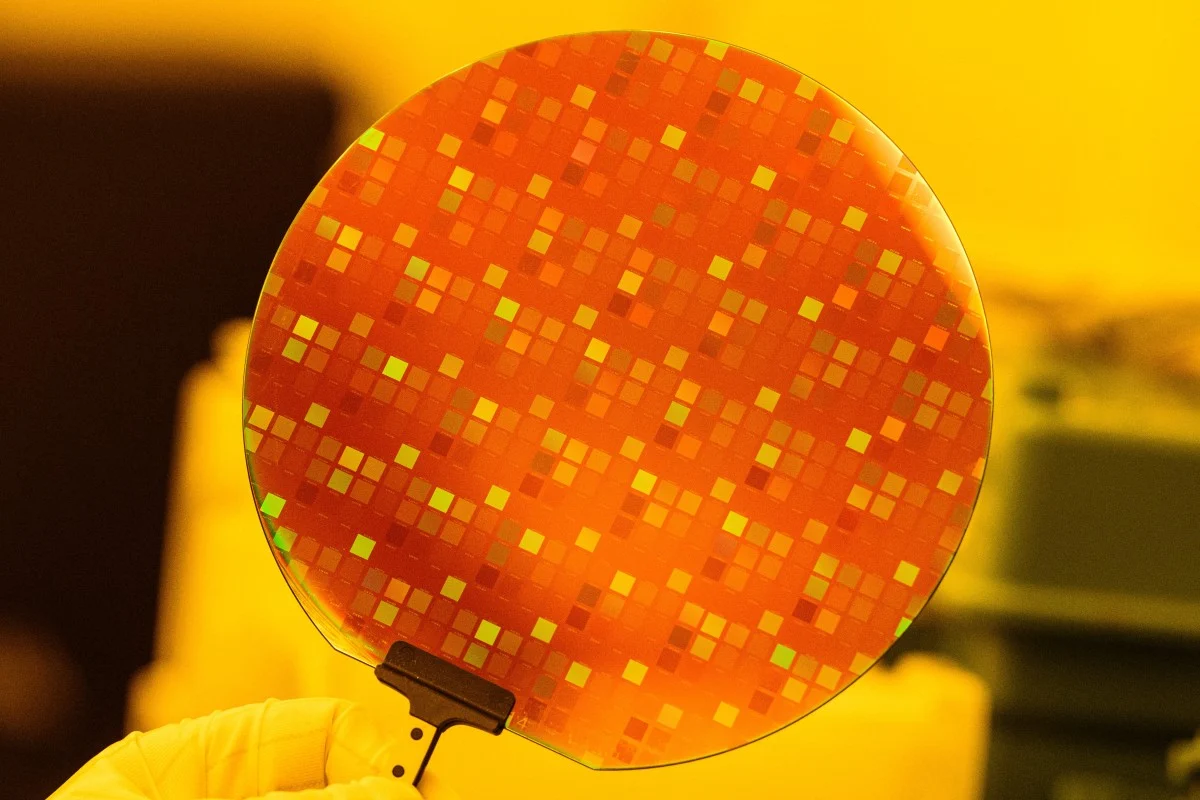
韩国银行周六公布的数据显示,在国际货币基金组织跟踪的36个主要经济体中,韩国第二季度顺差仅次于中国的1937.2亿美元。
South Korea’s second-quarter surplus was second only to China’s US$193.72 billion among the 36 major economies tracked by the International Monetary Fund, according to data compiled by the Bank of Korea and released on Saturday.
德国顺差为522.8亿美元,日本为506.2亿美元,两国合计1029亿美元,比韩国少137.3亿美元。
Germany recorded a surplus of US$52.28 billion and Japan US$50.62 billion, giving a combined total of US$102.9 billion, or US$13.73 billion less than South Korea.
这是韩国自1996年可比数据出现以来,首次超过这两个工业大国的经常账户顺差之和。
It marked the first time South Korea had surpassed the combined current account surplus of both industrial giants since comparable data became available in 1996.
韩国总统李在明周日在社交媒体发帖欢迎这一消息,称“我们的经济正迎来巨大的机遇之波”,这是对已故美国总统肯尼迪那句“涨潮能让所有船只上扬”的致敬。
South Korean President Lee Jae Myung welcomed the news in a social media post on Sunday, saying “a great wave of opportunity is rising for our economy”, in a nod to a phrase popularised by late US president John F. Kennedy: “a rising tide lifts all boats”.
李在明将这一成就归功于制造商,尤其是芯片制造商,并呼吁让收益惠及企业利润之外的就业、收入、投资和公民生活质量。
Lee credited manufacturers, especially chipmakers, for the achievement and called for the gains to reach beyond corporate profits into jobs, income, investments and citizens’ quality of life.
“韩国现在正在超越追随发达国家脚步的国家角色,”他用韩语写道。“它正在崛起为一个引领全球经济潮流的领先国家。”由于韩国经常账户顺差激增主要是由芯片价格飙升推动的,西江大学经济学家许正(Hur Jung,音译)等人警告称,这种情况“充其量只会持续几年”。
“South Korea is now moving beyond the role of a nation following in the footsteps of developed countries,” he wrote in Korean. “It is emerging as a leading nation that shapes the currents of the global economy.”Because South Korea’s surging current account surplus is mostly being driven by soaring chip prices, economists like Hur Jung of Sogang University have warned that it will “last only a few years at best”.
成均馆大学经济学教授金成贤(Kim Sung-hyun,音译)同意许正的评估。
Kim Sung-hyun, a professor in the economics department at Sungkyunkwan University, agreed with Hur’s assessment.
“半导体价格可能在两三年内大幅下跌,因为包括中国竞争对手在内的海外竞争对手正在全力扩大半导体芯片产能,”金成贤说。
“Semiconductor prices are likely to fall sharply in two to three years, as overseas competitors, including Chinese rivals, are going all out to expand semiconductor chip production,” Kim said.
他补充道,韩国芯片制造商、国防工业和部分食品公司报告的创纪录盈利尚未扩散到经济的其他领域。“半导体价格可能在两三年内大幅下跌” 金成贤,经济学教授与此同时,外汇流入也推高了韩元兑美元汇率,使韩国出口产品在海外更加昂贵。
The record earnings being reported by the South Korea’s chipmakers, defence industry and selected food companies had yet to spread to other areas of the economy, he added. Semiconductor prices are likely to fall sharply in two to three yearsKim Sung-hyun, economics professor Meanwhile, the inflow of foreign currency has also pushed the won up against the US dollar, making South Korean exports costlier abroad.
许正表示,这将“使韩元面临越来越大的升值压力,打击严重依赖出口的经济”。
Hur said this would “put the won under mounting pressure to appreciate, dealing a blow to an economy greatly relying on exports”.
他还说,如此巨大的顺差“也可能让首尔成为华盛顿的攻击目标”,后者可能利用这一点施压韩国增加对美国的投资。
Such a large surplus was also “likely to expose Seoul to the crosshairs of Washington”, which could use it to pressure South Korea to invest more in the United States, he said.
美国和中国目前正全力以赴,通过美光科技和长鑫存储技术(CXMT)等国内制造商确保各自的存储芯片供应。
The US and China are currently working flat out to secure their own memory supplies via domestic manufacturers such as Micron and ChangXin Memory Technologies (CXMT).
韩国经济产业研究院经济研究室长金光锡(Kim Kwang-suk,音译)表示,这“引发了韩国企业可能在市场份额争夺战中失去阵地的担忧”。
Kim Kwang-suk, head of economic research at the Korea Economic and Industrial Research Institute, said this was “raising concerns that South Korean companies could lose ground in the battle for market share”.
金光锡补充道,需要采取应对措施,特别是针对可能削减对华芯片出口的变化。
Countermeasures would be needed, Kim added, particularly against changes that could cut chip exports to China.
韩国天主教大学经济学教授杨俊锡(Yang Jun-sok)警告称,全球人工智能热潮如果过早结束,可能会对韩国经济造成沉重打击。
Yang Jun-sok, an economics professor at the Catholic University of Korea, warned that an early end to the global AI boom could deliver a severe shock to South Korea’s economy.
他表示:“今年和明年,当大量资金涌入时,正是开展长期拖延的重组工作的绝佳时机,其中包括清理边缘企业。”
“This year and next, when substantial amounts of money are flowing in, are the right time to carry out long-delayed restructuring, including the clean-up of marginal businesses,” he said.
国际货币基金组织10月份的《世界经济展望》预计,2026年韩国的全年经常项目顺差将达到4219.5亿美元,仅次于中国预计的8632亿美元,并将成为今年全球增幅最大的国家。
The IMF’s October World Economic Outlook projected a full-year current account surplus of US$421.95 billion for South Korea in 2026, behind only China’s expected US$863.2 billion and the world’s largest increase this year.
考虑到韩国目前在全球排名第12位的经济规模,其顺差数额尤为惊人。据预测,今年韩国的顺差额将占国内生产总值的18.8%——这是自国际货币基金组织1980年开始追踪此类数据以来所有国家的最高纪录——相比之下,日本为4.6%,德国为4.5%。
South Korea’s surplus is especially striking given the size of its economy, which currently ranks 12th in the world. Its surplus is projected to reach 18.8 per cent of gross domestic product this year – the highest of any country since the IMF began tracking such data in 1980 – against Japan’s 4.6 per cent and Germany’s 4.5 per cent.
国际货币基金组织预测,今年韩国的国内生产总值将超过2.2万亿美元,而德国约为5.5万亿美元,日本约为4.3万亿美元。
The IMF forecasts South Korea’s GDP will exceed US$2.2 trillion this year, compared with about US$5.5 trillion for Germany and US$4.3 trillion for Japan.