伊德利尔·利卡是伊斯坦布尔伊本·哈尔顿大学政治学与国际关系副教授。
Idlir Lika is an associate professor of political science and international relations at Ibn Haldun University in Istanbul.
塞尔维亚总统亚历山大·武契奇在10月25日举行的提前议会选举中失利,标志着塞尔维亚政治一个时代的终结。在其领导的塞尔维亚前进党(SNS)统治14年后,由学生主导的反对派运动——“学生名单”取得决定性胜利,以53%的得票率击败武契奇领导的联盟(得票率39%)。这一结果主要是对执政党塞尔维亚前进党在国内治理失当、腐败及架空国家机器的审判。
Aleksandar Vucic's electoral defeat in Serbia's Oct. 25 early parliamentary elections marks the end of an era in Serbian politics. After 14 years of dominance by his Serbian Progressive Party (SNS), a student-led opposition movement – the Student List – secured a decisive victory, winning 53% of the vote against 39% for the Vucic-led coalition. The result was primarily a verdict on domestic misgovernance, corruption and state capture by the ruling SNS.
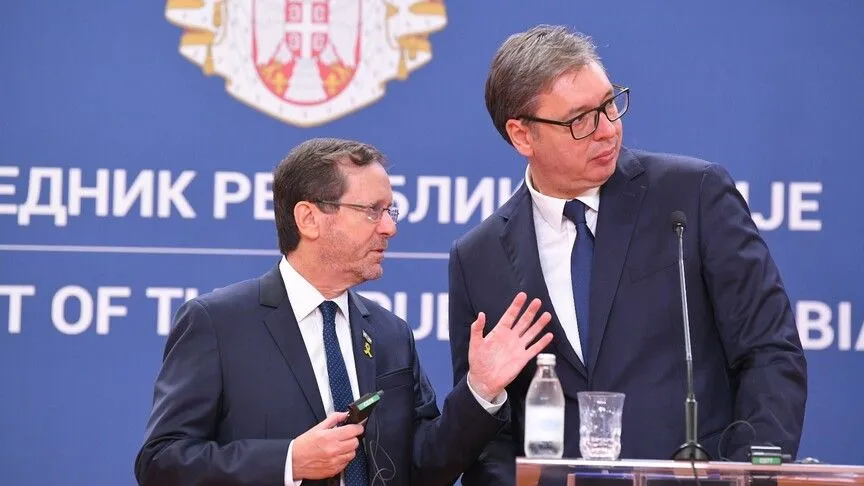
然而,还有一个问题值得关注:武契奇在加沙种族灭绝期间与以色列的紧密站队。尽管塞尔维亚对以政策并非导致武契奇选举失利的决定性因素,但其对围绕其政府的政治不满可能产生的贡献不应被忽视。
Yet, another issue deserves attention: Vucic’s close alignment with Israel during the genocide in Gaza. Although Serbia’s policy toward Israel was not a decisive factor in Vucic's electoral defeat, its potential contribution to the political discontent surrounding his government should not be overlooked.
这场最终导致武契奇下台的学生主导抗议运动,始于2024年11月诺维萨德火车站雨棚坍塌事故之后,该事故造成16人死亡。最初仅是针对这起悲剧性基础设施故障要求追责,逐渐演变为一场针对腐败、治理不善以及执政党把持公共机构的全国性抗议运动。该抗议运动最显著的成就之一,是将原本意识形态偏好各异的选民团结在一套共同诉求之下。
The student-led protest movement that ultimately unseated Vucic began in the aftermath of the November 2024 collapse of a railway station canopy in Novi Sad, which killed 16 people. What started as a demand for accountability over a tragic infrastructure failure gradually developed into a nationwide protest movement against corruption, misgovernance and the ruling party’s capture of public institutions. One of the protest movement’s most remarkable achievements was to unite voters with otherwise diverse ideological preferences around a common set of demands.
然而,外交政策问题并非反对运动的核心关切。尽管如此,在国际社会对加沙地带正在进行的种族灭绝谴责声浪日益高涨之际,武契奇对以色列的紧密靠拢,却构成了其外交政策中一个政治敏感层面。塞尔维亚传统上与巴勒斯坦保持友好关系,并在国际机构中支持巴勒斯坦的外交倡议。然而在武契奇执政下,贝尔格莱德与以色列发展了紧密的军事和战略合作,特别是2023年10月之后。沦为以色列罪行的帮凶?
Foreign policy issues, however, were not among the central concerns of the opposition movement. Nevertheless, Vucic’s close alignment with Israel amid mounting international condemnation over the ongoing genocide in Gaza represented a politically sensitive aspect of his foreign policy. Serbia has traditionally maintained friendly relations with Palestine and supported Palestinian diplomatic initiatives in international bodies. Under Vucic, however, Belgrade developed close military and strategic cooperation with Israel, particularly after October 2023. Being complicit in Israeli crimes?
塞尔维亚自2023年10月以来向以色列出口武器的规模,凸显了这种合作的程度。根据巴尔干调查报道网(BIRN)和《国土报》(Haaretz)的一项调查[1],塞尔维亚对以色列的武器出口从2023年的约140万欧元增至2024年的4230万欧元。后续报道[2]显示,2025年出口额达到1.32亿美元。这些事态发展引发关注,原因在于塞尔维亚武器可能被用于加沙地带针对巴勒斯坦人的持续种族灭绝,以及政府在交易方面缺乏透明度。
The scale of Serbia's arms exports to Israel since October 2023 illustrates the extent of this cooperation. According to an investigation [1] by the Balkan Investigative Reporting Network (BIRN) and Haaretz, Serbian arms exports to Israel increased from approximately €1.4 million in 2023 to €42.3 million in 2024. Subsequent reporting [2] indicated that exports reached $132 million in 2025. These developments drew attention because of the potential use of Serbian weapons in the ongoing genocide against Palestinians in Gaza and the government’s lack of transparency regarding the transactions.
与此同时,在9月17日——即武契奇解散议会并宣布提前选举仅八天后——他在贝尔格莱德正式揭幕了一座战斗无人机组装厂,这是以色列“Elbit Systems”公司与塞尔维亚国有军工企业“Jugoimport”的合资项目。
Meanwhile, on Sept. 17 – just eight days after dissolving parliament and calling early elections – Vucic officially inaugurated a combat drone assembly factory in Belgrade, a joint venture between Israel’s Elbit Systems and Serbia’s state-owned arms company, Jugoimport.
评估证据 这一切是否给武契奇带来了显著的选举代价?新塞尔维亚政治思想(NSPT)于2026年4月的一项民调[3]发现,约57%的塞尔维亚公民支持巴勒斯坦,而仅有5%表示支持以色列。反对武契奇的群体对巴勒斯坦的支持度最高,其中约74%表达了对巴勒斯坦一方的支持。此外,学生名单发布的宣言[4]在外交政策部分指出:“我们不会沦为以色列在加沙地带实施的系统性摧毁巴勒斯坦人民企图的帮凶。”
Assessing the evidence Did all this come at a significant electoral cost for Vucic? An April 2026 poll [3] by the New Serbian Political Thought (NSPT) found that about 57% of Serbian citizens supported Palestine whereas only 5% claimed to support Israel. The greatest support for Palestine was recorded among supporters of the opposition to Vucic, approximately 74% of whom expressed support for the Palestinian side. Moreover, in the manifesto [4] published by the Student List, the section on foreign policy states that "we will not be complicit in the systematic attempt to destroy the Palestinian people that Israel is carrying out in the Gaza Strip."
这两个事实表明,尽管选举主要围绕国内议题展开,但武契奇在种族灭绝持续进行之际紧贴以色列,可能在塑造塞尔维亚公民的选举偏好方面发挥了作用。
These two facts suggest that even though the election primarily revolved around domestic issues, Vucic’s close alignment with Israel amid an ongoing genocide might have played a role in shaping the electoral preferences of Serbian citizens.
抗议运动本身主要是由国内问题驱动的,尤其是腐败、治理不善和国家被俘获。外交政策问题之所以在政治上具有相关性,仅仅是因为它们反映了人们对政府缺乏透明度和问责制的更广泛担忧。换言之,武契奇与以色列的紧密结盟可能在一定程度上影响了塞尔维亚选民的偏好,因为这种关系与国内对透明度、问责制和法治的要求相交织。
Domestic concerns above foreign policy The protest movement itself was overwhelmingly driven by domestic concerns, particularly corruption, misgovernance and state capture. Foreign policy issues were politically relevant in this regard only insofar as they reflected broader concerns about the government’s lack of transparency and accountability. Put differently, Vucic's close alignment with Israel might have influenced Serbian voters’ preferences to some extent as this relationship intersected with domestic demands for transparency, accountability, and the rule of law.
事实上,武契奇在大选前仅一个月正式启动与以色列的联合战斗无人机工厂,表明他并未预料到这种合作会引发任何重大的选举反弹。相反,他将该项目作为其政府致力于为塞尔维亚带来新就业岗位、技术进步和经济发展的证据加以宣传。
Indeed, the fact that Vucic officially launched the joint combat drone factory with Israel just a month before the elections suggests that he did not anticipate any significant electoral backlash over this cooperation. On the contrary, he presented the project as evidence of his government’s commitment to bringing new jobs, technological advancement, and economic development to Serbia.
总之,与以色列的紧密结盟可能加剧了武契奇的选举困境,但其独立的选举影响力仍难以确定。新政府对以色列等国关系的处理,因此将成为检验其政治变革承诺是否延伸至塞尔维亚外交政策行为的重要试金石。归根结底,兑现民主化承诺将要求新政府与塞尔维亚的民族主义过去和“大塞尔维亚”意识形态决裂。
To sum up, the close alignment with Israel may have contributed to Vucic's electoral difficulties, but its independent electoral impact remains difficult to establish. The incoming government’s handling of relations with Israel, among other countries, will therefore be an important test of whether its promises of political change extend beyond domestic institutions to Serbia’s foreign policy behavior. Ultimately, fulfilling its promise of democratization will require the new government to break with Serbia’s nationalist past and the Greater Serbia ideology.