德国工厂订单部分反弹,显示出欧洲最大经济体在动荡的全球环境下的韧性。
German factory orders partially rebounded, a sign of resilience in Europe’s biggest economy against a volatile global backdrop.
9月份需求增长4.4%,此前一个月订单下降幅度为自1月以来最大。彭博调查的经济学家此前预估增幅为4.5%。
Demand rose 4.4% in September after orders dropped the previous month by the most since January. Economists surveyed by Bloomberg had estimated a 4.5% gain.
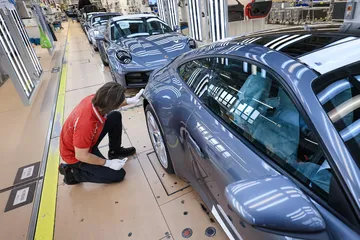
德国经济第三季度增长0.2%,快于预期,德国联邦银行预测此后势头将“显著”增强。公共支出一直是关键驱动力,但也导致月度波动。9月份订单受汽车行业反弹和机械需求增强提振。
Germany’s economy delivered quicker-than anticipated third-quarter growth of 0.2%, with the Bundesbank predicting momentum will pick up “markedly” from there. Public spending has been key, but also causes volatility from month to month. September orders were bolstered by a rebound in the automotive industry and stronger demand for machinery.
剔除大额订单后,总体增幅为5.1%。第三季度整体来看,订单仅增长0.2%。
Excluding big-ticket items, the overall increase was 5.1%. In the third quarter as whole, orders were up just 0.2%.
该报告对工业生产利好,经济学家预测工业生产在8月稳健增长后,9月可能略微下滑。
The report bodes well for industrial production, which economists predict probably inched lower in September following a solid gain in August.
商业信心也有所回升,增强了分析师的乐观情绪,认为今年1%的经济增速将在2027年进一步加快。
Business confidence has picked up too, feeding optimism among analysts that economic expansion of 1% this year will pick up further in 2027.
但也有理由保持谨慎。车企面临高成本和来自中国的竞争压力。全球顶级汽车及工业供应商舍弗勒本周表示,计划关闭欧洲五家工厂(其中四家在德国),并裁减近3500个岗位,这将增加整个行业已宣布的数千个裁员岗位。
There are reasons for caution. Carmakers are struggling with high costs and competition from China. Schaeffler, a top global automotive and industrial supplier, said this week it plans to shutter five sites in Europe, including four in Germany, and eliminate nearly 3,500 jobs, adding to the thousands of cuts already announced across the sector.
在上周对亚洲的访问中,总理弗里德里希·默茨推动该地区与欧盟建立更紧密关系,因为双方都面临来自中国的压力。默茨在对华贸易立场上变得更加强硬,最近与法国总统埃马纽埃尔·马克龙达成共识,为更严厉的欧盟贸易工具铺平了道路。
During a visit to Asia last week, Chancellor Friedrich Merz pitched closer ties between the region and the European Union as both face pressures from China. Merz has grown more hawkish on trade with the country and recently forged a consensus with French President Emmanuel Macron that paved the way for tougher EU trade instruments.