
在整个亚洲,反建制抗议此起彼伏,由在数字时代成年的一代人引领。
All across Asia, anti-establishment protests have been flaring up, led by a generation that came of age in the digital era.
网络梗图正在动员一群长期在线的年轻人,针对特定政府政策、侮辱和不公发声——其成员众多,决心在自己担忧的未来扎根前,掌握自己的命运。
Memes are mobilising a young, permanently online cohort against specific government policies, insults and injustices – its many members determined to seize their own destinies before the future they fear takes root.
根据联合国估计,亚洲拥有全球60%的青少年与年轻人,总数约10亿。
Asia is home to 60 per cent of the world’s adolescents and young people, or some 1 billion in total, according to UN estimates.
Z世代(大致指1997年至2012年间出生者)是其中最直言不讳的群体,他们的不满与价值观往往先在社交媒体上凝聚,继而以令当局措手不及的速度,演变为街头抗议。
Gen Z, roughly defined as those born between 1997 and 2012, are among the most vocal, their grievances and values often first coalescing on social media before shape-shifting into street protests at a speed that can catch authorities cold.
在印度,当下这一病毒式传播的青年运动以蟑螂为标志。今年5月爆发的学生主导抗议政府示威,此后已演变为一场更广泛的亲民主挑战,直指执政长达12年之久的总理纳伦德拉·莫迪。
dia, the viral youth movement of the moment took a cockroach as its emblem. This year’s student-led protests against the government, which began in May, have since merged into a wider pro-democracy challenge to the country’s perennial prime minister of 12 years and counting, Narendra Modi.
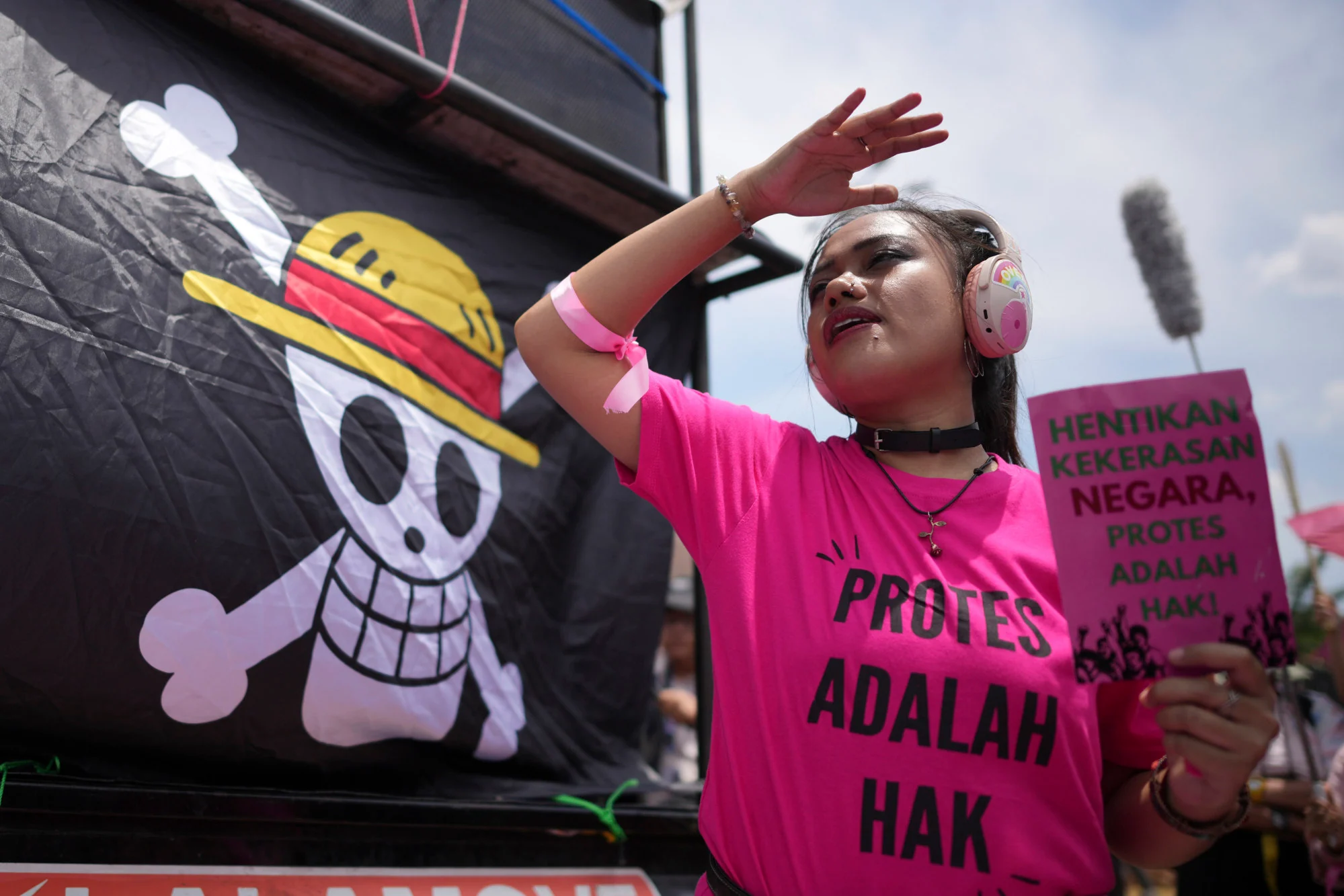
在印度尼西亚,学生抗议者去年采用了“草帽海贼团”的“快乐罗杰”旗——一面源自日本动漫的骷髅交叉骨旗帜——以抗议经济压力和被视为的治理失当。上个月,随着青年对十多年来最严重野火季带来的毒性空气的愤怒爆发,该标志再度出现。
donesia, student protesters last year adopted the Straw Hats’ Jolly Roger, a skull and crossbones flag ripped from the pages of Japanese anime to rail against economic pressures and perceived mismanagement. It made a return last month as youth anger at toxic air from the worst wildfire season in over a decade boiled over.
每场抗议都有其独特的导火索,但它们共享同一不满源头——生活成本上涨、对腐败和裙带关系的愤怒,以及不再能为就业市场做好准备的教育体系,而该市场似乎唯一的真实保障是卑微、低薪的零工工作。
Each protest has its own unique triggers, but they share a common wellspring of discontent – the rising cost of living, anger at corruption and nepotism, and education systems that no longer prepare them for a job market whose only real guarantee appears to be menial, low-paid gig work.
幽默、绝望与对权威恐惧的丧失交织在一起,形成了打破“Z世代冷漠刻板印象”的运动。印度尼西亚加查马达大学社会学家奥基·拉哈迪安托·苏托波指出,这展示了此前未被重视的“在关心的议题上进行协作努力和参与的能力”。
Humour, desperation and a loss of fear of authority have combined to form movements that have shattered “the stereotype of apathy” attached to Gen Z, according to Indonesian sociologist Oki Rahadianto Sutopo of Gadjah Mada University in Yogyakarta, displaying a previously unappreciated “capacity for collaborative efforts and engagement on issues they care about”.
这一现象并不局限于亚洲。巴黎、米兰和里斯本的建筑物同样留下了动荡的焦灼痕迹,因为欧洲的年轻人同样对未来的不确定性感到焦虑,并走上街头抗议。
The phenomenon is not confined to Asia, either. Buildings in Paris, Milan and Lisbon also bear the scorch marks of unrest as the youth of Europe, similarly anxious about their uncertain futures, have taken to the streets in protest.
病毒式传播使得当今的抗议活动扩散速度远超许多政府的反应速度。官方往往指责是煽动者、内奸或政治新人的发脾气导致了动荡,随后便出动装备警棍和催泪瓦斯的警察。
Virality makes today’s protests far faster to spread than many governments can react. Officials all too often blame agitators, fifth columnists or the temper tantrums of political rookies for the upheaval, before sending in police armed with batons and tear gas.
然而,低估Z世代抗议力量是一个错误,正如亚洲近期被推翻的独裁者所能证明的那样。
Yet underestimating the power of Gen Z protest is a mistake, as Asia’s recently ousted autocrats can attest.
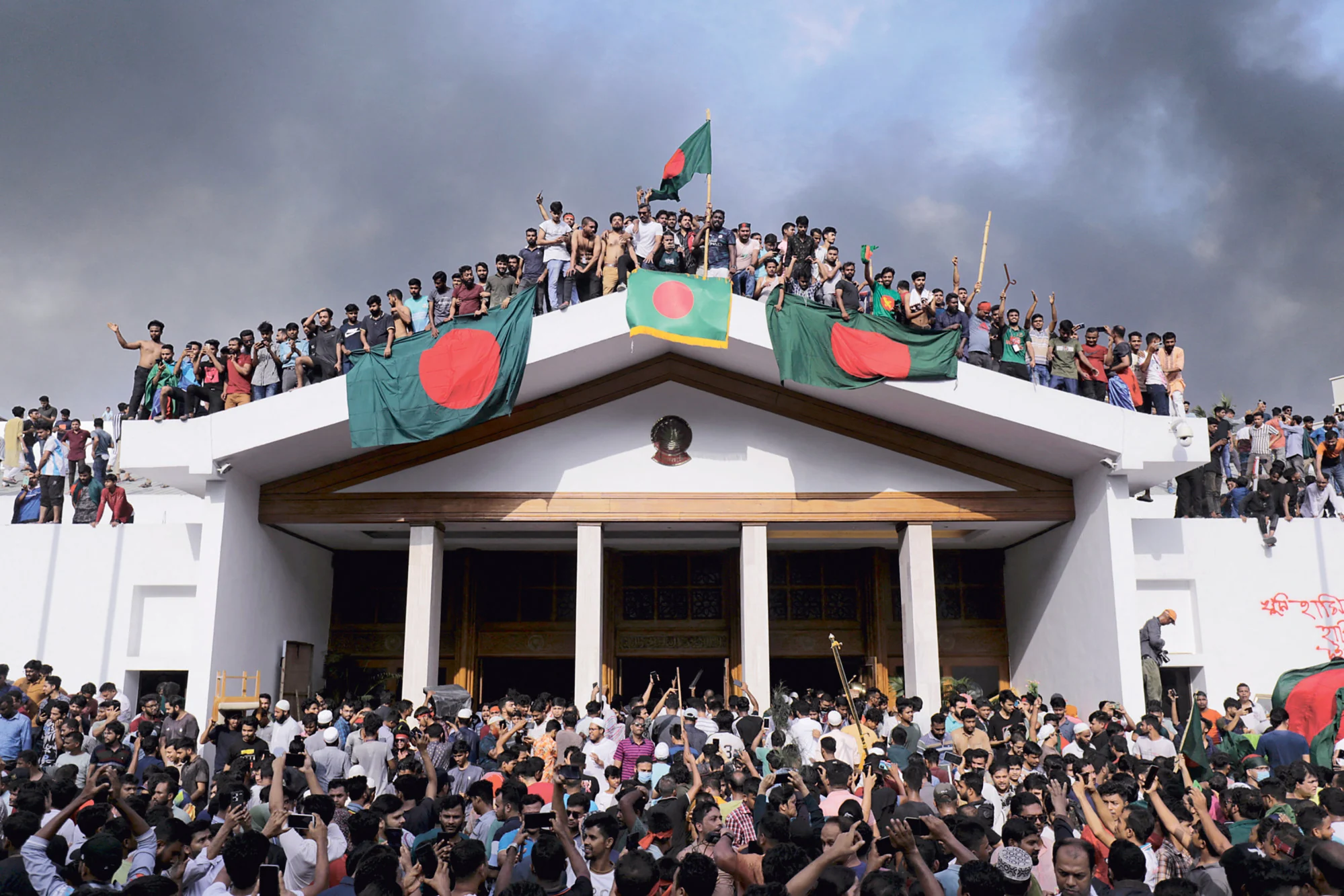
谢赫·哈西娜总共统治孟加拉国超过二十年,是首批倒台者之一。2024年8月,她因大规模起义反对其贪婪腐败的政府而被迫下台,警方试图用暴力镇压但失败了。
Sheikh Hasina, who ruled over Bangladesh for more than two decades all told, was one of the first to fall. In August 2024, she was driven from power by a mass uprising against her kleptocratic government that police tried, and failed, to quell with violence.
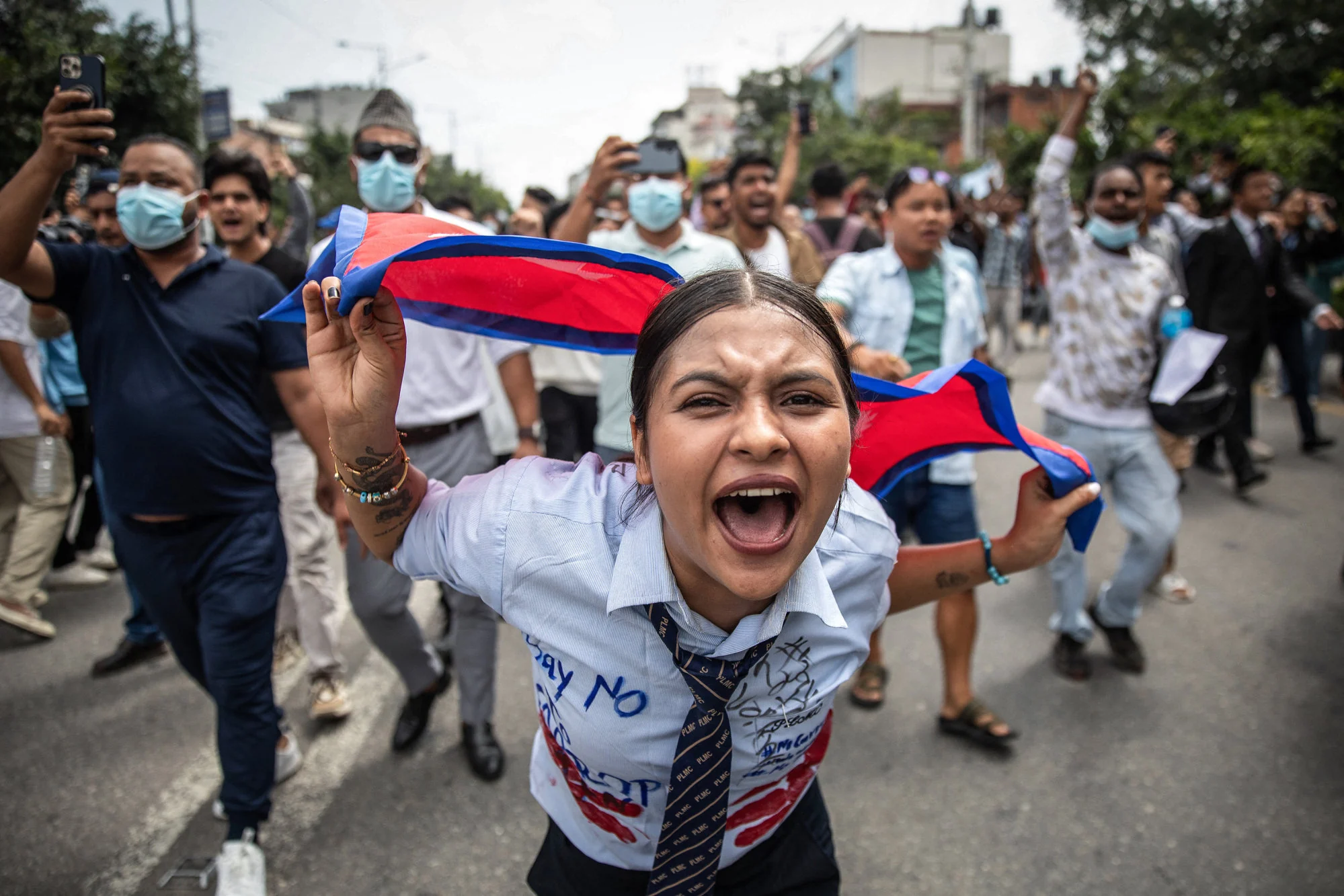
一年后在尼泊尔,学生主导的抗议活动矛头直指因裙带关系、腐败和任人唯亲而备受诟病的统治精英,最终在一场暴力冲突和一次旨在压制愤怒人群的拙劣社交媒体封锁后,推翻了政府。
A year later in Nepal, student-led protests took aim at a governing elite derided for its cronyism, corruption and nepotistic tendencies, ultimately toppling the government after a violent struggle and a bungled social media shutdown that aimed to hush the baying crowds.
在缅甸,Z世代抗议者是最早抵抗2021年推翻昂山素季文人政府的政变的人群之一——他们自那时起便一直在与军方对抗。
In Myanmar, Gen Z protesters were some of the first to resist the 2021 coup that ousted the civilian government of erstwhile democracy icon Aung San Suu Kyi – and they have been fighting the generals ever since.
将这些分散、遥远的抗议运动串联起来的一条典型的21世纪线索是:社交媒体。
Connecting these disparate, far-flung protest movements is one quintessentially 21st century thread: social media.
据学生组织者雷兹万·艾哈迈德称,社交媒体在组织孟加拉国抗议活动中发挥了“关键作用”,他指的是2024年7月瘫痪首都达卡的封锁行动。现年25岁的艾哈迈德运营一个病毒式传播的Facebook协调页面,到哈西娜政权垮台、她逃离该国时,该页面已积累了超过一百万粉丝。
It was “instrumental” in organising Bangladesh’s protests, according to student organiser Rezwan Ahmed, pointing to a blockade of Dhaka in July 2024 that brought the capital to a standstill. Ahmed, now 25, ran a viral Facebook coordination page that had amassed over a million followers by the time Hasina’s regime crumbled and she fled the country.
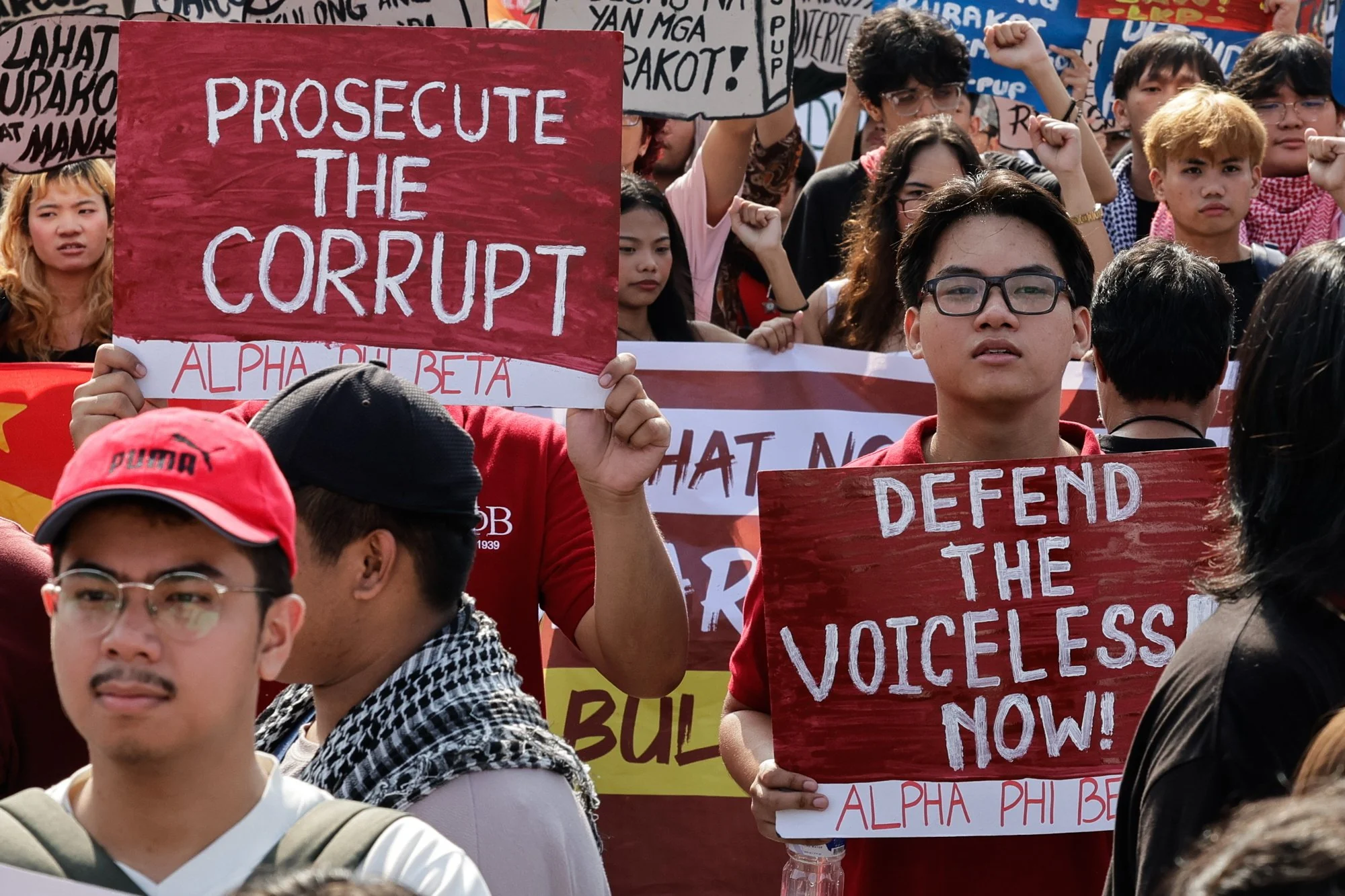
在菲律宾,近9600万人使用社交媒体,表情包已成为政治传播的工具,并助推了去年针对一起数十亿美元防洪腐败丑闻的反政府抗议活动。
In the Philippines, where nearly 96 million people are on social media, memes have become a vehicle for political messaging that helped spawn last year’s anti-government protests over a multibillion dollar flood control corruption scandal.
29岁的Mark Anicas是讽刺性Facebook页面“Filipino Trends That Matter”(FTTM,意为“重要的菲律宾趋势”)的创始人兼媒体总监。该页面由一支Z世代团队运营,拥有约460万粉丝,每天以讽刺手法抨击政府政策。Anicas表示,此类平台如今才是真正掌握权力的地方。
Mark Anicas, the 29-year-old founder and media director of satirical Facebook page Filipino Trends That Matter (FTTM) – curated by a Gen Z team and boasting around 4.6 million followers engaging with its daily sideswipes at government policies – says such platforms are now where the real power lies. “Our goal isn’t necessarily to tell people what to think, but to encourage them to think,” he told This Week in Asia.
“我们的目标不一定是告诉人们怎么想,而是鼓励他们去思考,”他对《This Week in Asia》(亚洲本周)表示。
Nowhere has dominated this year’s narrative of Gen Z discontent more than India, where a dismissive remark by a chief justice, who called jobless young people “parasites” and “cockroaches”, lit the fires of defiance that gave rise to the eponymous movement.
在Z世代不满情绪的今年叙事中,没有哪个国家比印度更引人注目。一位首席大法官的一句轻蔑言论——称失业青年为“寄生虫”和“蟑螂”——点燃了反抗的火种,催生了同名运动。
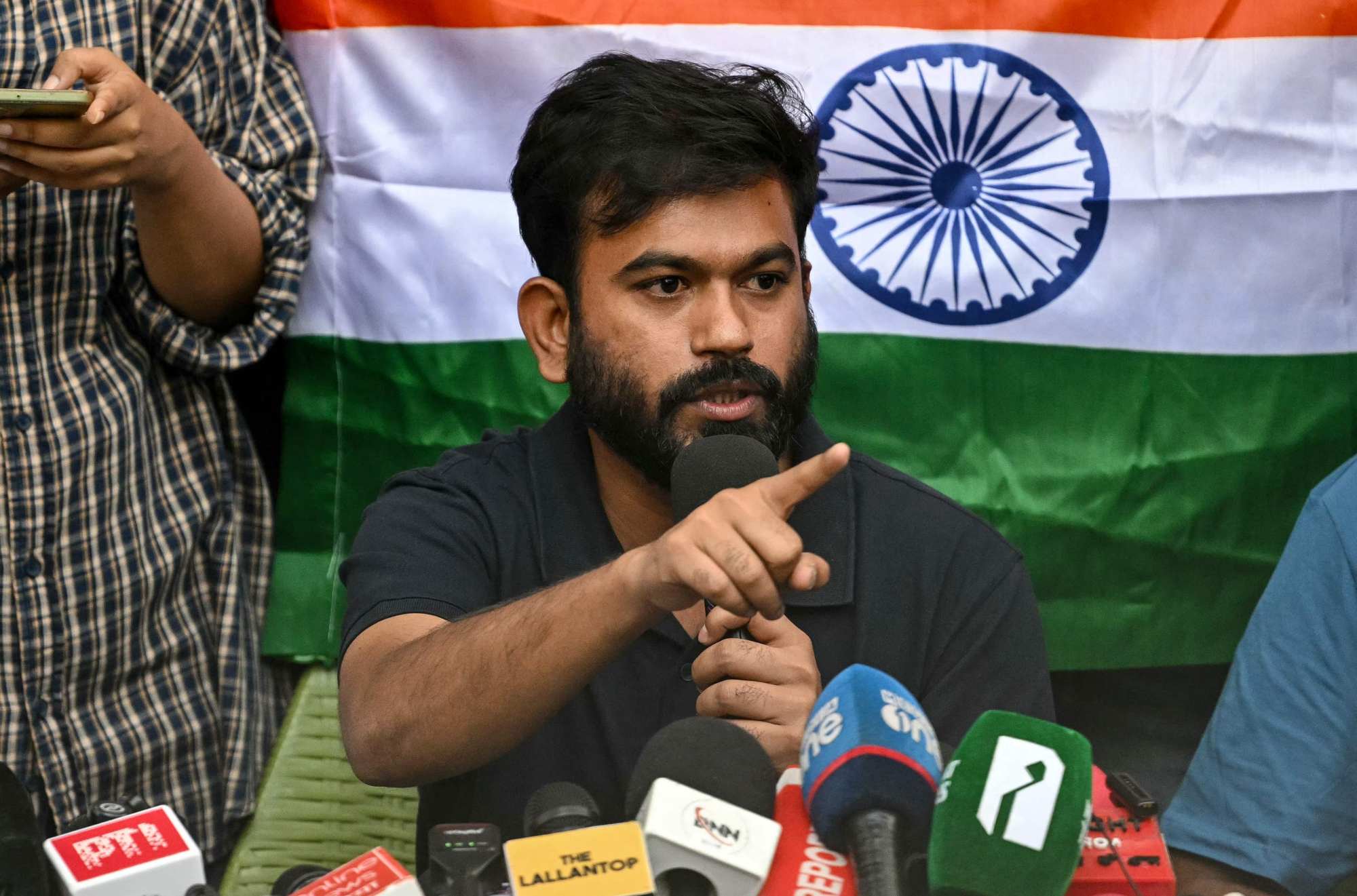
Its founder, political strategist Abhijeet Dipke – himself a younger millennial, aged 31 – unwittingly launched the viral online movement for Gen Z Indians with what began as a simple, satirical question on the X platform aimed squarely at Chief Justice Surya Kant: “What if all cockroaches come together?”
该运动的创始人、政治策略师Abhijeet Dipke——他本人是一位31岁的年轻千禧一代——无意中在X平台上向首席大法官Surya Kant抛出一个简单的讽刺性问题:“如果所有蟑螂聚在一起会怎样?”从而引爆了印度Z世代的网络运动。据联合国估计,印度约有4亿人,即约四分之一人口属于Z世代。
The remark landed like a bombshell in a country where the UN estimates around 400 million people, or around one in four of the population, are Gen Z.
数百万人点赞了Dipke的帖子,随之诞生了“蟑螂人民党”(CJP),这一网络运动的名称讽刺了莫迪长期执政的印度人民党(BJP)。
Millions liked Dipke’s post and with it the Cockroach Janta Party (CJP), an online movement whose name lampoons Modi’s own long-governing Bharatiya Janata Party, was born.
几周内,其成员走上街头,手持蟑螂戴墨镜、披着印度国旗(三色旗)的表情包标语。
Within weeks, its members had taken to the streets wielding memes of cockroaches wearing sunglasses with the Indian (tricolour) flag draped over their shoulders.
24岁的Ayush Bhattacharya是6月6日在Jantar Mantar(简塔·曼塔)发起集会的典型参与者。这座历史天文台位于印度首都中心,距离议会仅一小段路程,曾作为指定抗议场地,直到上个月正式被取消。
Ayush Bhattacharya, 24, was typical of those who joined the rallies that began on June 6 at Jantar Mantar – a historical observatory in the heart of the Indian capital, a short walk away from parliament, that doubled as a designated protest site until its official removal last month.
“年轻人中充满了挫败感。”这位来自孟买的大学毕业生表示,这既源于该国的政治,也源于年轻人缺乏就业机会。
“There was a lot of frustration among the youth,” said the college graduate from Mumbai, citing both the country’s politics and its lack of job opportunities for young people.
“我们上一代总是让我们觉得,当我们谈论政治时,我们对正在发生的事情并不了解太多。当首席大法官做出相关言论后,Dipke在推特上对此发表了看法,这条帖子就这样被无限放大了。”随后发生了一系列喧闹、色彩斑斓的抗议活动,引发了警方的镇压行动,由此引发了对警察暴行的指控,并最终迫使一位教育部长于7月辞职——抗议者将矛头指向了一起丑闻,涉及考试试卷被泄露给富裕学生。
“Our parents’ generation always made us feel that we did not know well enough about what was happening when they talked about politics. When the chief justice made the remark and Dipke tweeted about it, the post simply got amplified.”A series of loud, colourful protests followed, attracting a crackdown that spurred allegations of police brutality and ultimately forced the resignation of an education minister in July after demonstrators took aim at a scandal involving exam papers being leaked to wealthy students.
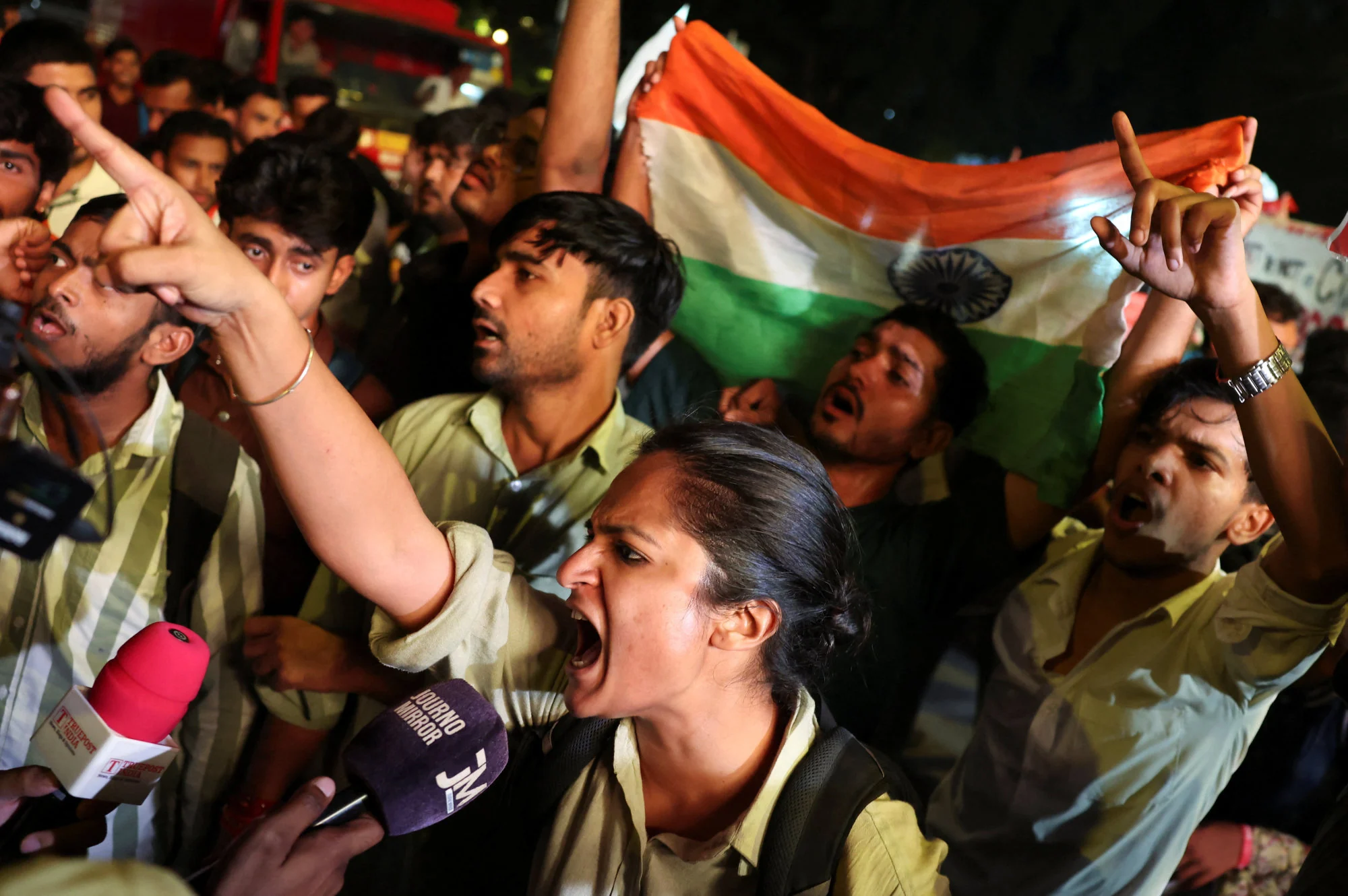
9月下旬,这场运动发起另一场活动,通过WhatsApp和Instagram组织,要求首席选举专员Gyanesh Kumar辞职。Kumar此前以名单上存在重复记录或属于已故人员为由,在全国范围内从选民名册中删除了约1.3亿条姓名。
In late September, the movement launched another campaign, organised through WhatsApp and Instagram, demanding the resignation of Chief Election Commissioner Gyanesh Kumar, who oversaw the removal of some 130 million names from electoral rolls nationwide on the grounds that they were supposedly duplicates or belonged to dead people.
包括主要反对党国大党在内的批评人士表示,这是通过隐蔽手段剥夺数百万人的选举权,是莫迪——一位被反复指控在全球最大民主国家煽动宗教少数群体仇恨的印度教民族主义者——又一次对民主权利的公然侵犯。
Critics, including the main opposition Congress party that has joined the protests, said it was an attempt to disenfranchise millions by stealth, in another flagrant assault on democratic rights by Modi, a Hindu nationalist leader who has repeatedly been accused of fomenting animosity against religious minorities in the world’s largest democracy.

CJP发言人Mehr Pasricha将这场运动的抗议活动与对“过去十年全球向右翼政府转变”的回应联系起来。
CJP spokeswoman Mehr Pasricha linked the movement’s protests to a rebuttal of “the shift towards right-wing governments [that] has been happening over the past decade” across the globe.
她说:“年轻人只看到了坏的一面。他们经历了糟糕的教育体系,进入了一个没有工作的经济环境,那该怎么办呢?”
“Young people have just seen the short end of the stick,” she said. “They have gone through a bad schooling system, entering into an economy where there are no jobs, so what does one do?”
Rohit Sharma,21岁,于10月16日在德里市中心的一场CJP集会上发言,呼吁Kumar辞职。这是他第三次参加抗议活动。
Rohit Sharma, 21, spoke to This Week in Asia from a CJP rally in central Delhi on October 16 calling for Kumar to go. It was his third protest.
“来这里的目的是拯救民主。” Sharma 说,他是位于德里 Maharaja Agrasen Institute of Technology 的学生。“操纵选民名单在我们这样的国家是不可接受的……这是我们有责任追究政府的民主权利。”尽管印度的抗议活动一直在持续,但目前似乎并未对莫迪的政府构成生存威胁。
“The aim of coming here is to save democracy,” said Sharma, a student at the Maharaja Agrasen Institute of Technology in Delhi. “Manipulation of voter lists is not acceptable in a country like ours … This is our democratic right to hold the government accountable.”Though India’s protests have been growing, they do not appear to pose an existential threat to Modi’s government, at least for now.
孟加拉国学生领袖 Ahmed 表示,推翻一个根深蒂固的权力需要一系列先决条件齐备。Hasina 倒台时,孟加拉国已经是一个革命的火药桶——多年的国家压迫使该国青年和反对党积累了不满情绪,而反对党数月来的抵制选举则使她的政府失去了合法性。
Ahmed, the Bangladeshi student leader, said that toppling an entrenched power required a confluence of preconditions to be in place. Bangladesh was already a tinderbox for revolution when Hasina fell, with years of state repression building resentment among the country’s youth and opposition parties’ boycott of an election months stripping her government of its legitimacy.
“我们心里一直清楚,仅凭抗议主流政党是无法推翻这种独裁专制政权的,”他说。“人民必须做好准备,社会也必须做好准备……在印度我看不到这种情况。”
“It was in the back of our minds that this kind of dictatorial authoritarian regime will not be able to be toppled by mainstream parties of protest alone,” he said. “The people have to be prepared, society has to be prepared … In India I don’t see that at all.”
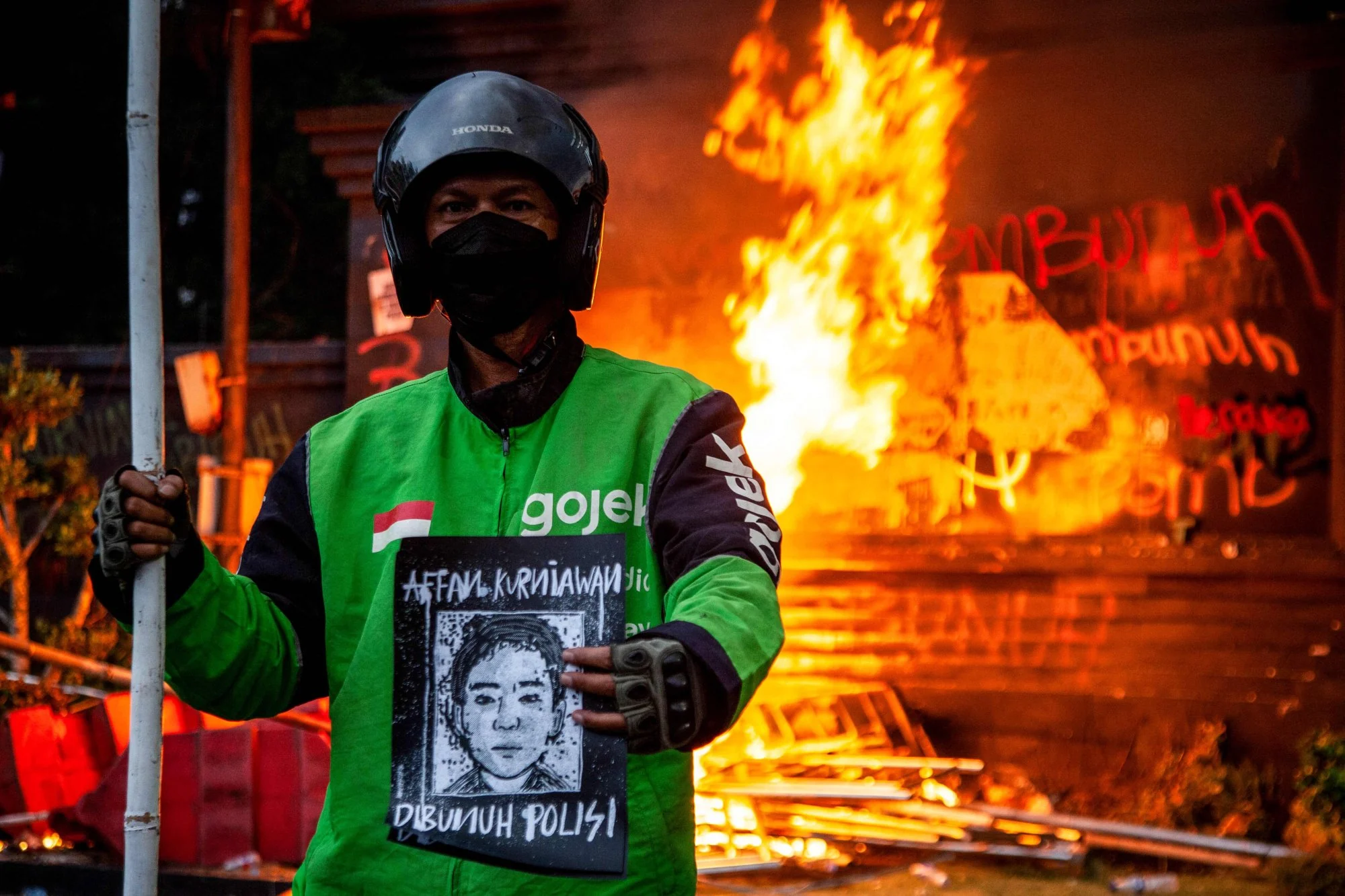
回到东南亚,近年来印度尼西亚已经历了多轮针对经济条件和零工工人待遇的愤怒抗议。
Back in Southeast Asia, Indonesia has seen multiple rounds of angry protests in recent years over economic conditions and the treatment of gig workers.
2025 年 8 月被装甲警车碾压身亡的配送司机 Affan Kurniawan 的死亡,为当年反对加薪、议员自行涨薪的反政府抗议增添了燃料。集会中醒目地展示了来自某个动漫国家的旗帜——这部广受欢迎的动漫讲述了一个海盗团队为反抗暴政而战斗的故事。
The death of delivery driver Affan Kurniawan, who was run over by an armoured police vehicle in August 2025, added fuel to the fire of that year’s anti-government protests against a pay rise MPs had given themselves. The rallies prominently featured the flag from , the hugely popular anime whose story follows a pirate crew fighting for freedom against a tyrannical regime.
上个月,印度尼西亚的抗议者再次走上街头,这一次有了新的诉求:席卷整个印尼群岛的森林大火造成的浓烟污染。
Last month, Indonesia’s protesters returned to the streets, this time with a new cause: choking pollution from the wildfires raging in Kalimantan and elsewhere across the Indonesian archipelago.
10月28日,学生抗议在爪哇岛的雅加达、日惹、梭罗、马朗、万隆和泗水,同时在苏拉威西的马卡萨尔、加里曼丹中部的巴朗卡拉亚,甚至在苏门答腊西北端的亚齐巴丹,几千公里之外同步爆发。
On October 28, simultaneous student protests swept across Jakarta, Yogyakarta, Solo, Malang, Bandung and Surabaya on Java island, Makassar over on Sulawesi, Palangkaraya in the heart of Kalimantan and even Banda Aceh, thousands of kilometres away at the far northwestern tip of Sumatra.
这些以Z世代为主的抗议者要求政府承认灾难的全部规模,但他们的愤怒也蔓延到其他议题,包括对广泛腐败的指控、对平民生活的军事化以及昂贵且浪费的国家政策。示威者与警方发生冲突,警方使用催泪弹驱散人群。
The mostly Gen Z protesters demanded that the government acknowledge the full scale of the disaster, but their anger also spilled over to other issues, including allegations of widespread corruption, the militarisation of civilian life and costly, wasteful state policies. Demonstrators clashed with police, who used tear gas to disperse the crowds.

“他们(官员)对本质上是生态灾难的处理明显缺乏紧迫感,”21岁的巴朗卡拉亚大学法学院学生会主席娜奥米·阿蒂卡·西马莫拉说,她从加里曼丹跋涉约1,000公里(620英里)前往雅加达参加集会。
“There’s a definite lack of urgency in how they [officials] have treated what is essentially an ecological disaster,” said Naomi Artika Simamora, the 21-year-old head of the student council at the University of Palangkaraya’s law faculty who travelled some 1,000km (620 miles) from Kalimantan to join a rally in Jakarta.
她的同伴是23岁的约萨法特·门腾,后者表示他们都希望向政府施压,将持续的火灾宣布为“国家灾害”——这一状态将使后勤援助和资金更高效地到达受灾地区。
She was joined by Yosafat Menteng, 23, who said they both wanted to pressure the government to declare the ongoing fires a “national disaster” – a status that would allow logistical aid and funding to reach affected areas more efficiently.
今年,苏门答腊、加里曼丹和巴布亚近200万公顷(490万英亩)的森林和泥炭地被燃烧,产生的有毒烟雾笼罩了印尼大部以及邻国。
Nearly 2 million hectares (4.9 million acres) of forest and peatland in Sumatra, Kalimantan and Papua have burned this year, producing a toxic haze that has blanketed much of Indonesia and neighbouring countries.
政府发言人库尔尼亚·拉马达纳表示,普拉博沃·苏比安托总统的政府“欣赏并理解学生的关切”,并正努力予以解决。
Government spokesman Kurnia Ramadhana has said President Prabowo Subianto’s administration “appreciates and understands the students’ concerns” and is working to address them.
但截至目前,尚未宣布国家灾害。“我们的斗争仍在继续,”娜奥米说。
But as yet, there has been no declaration of a national disaster. “Our fight continues,” Naomi said.
在东南亚大部分地区,抗议既不统一,有时甚至根本无法进行。各国政府动用包括诽谤、叛国和颠覆法在内的强大工具,以遏制反对声音并压制异议。
Across much of the rests of Southeast Asia, protest is neither uniform nor sometimes even possible. Governments wield powerful tools, including defamation, treason and subversion laws, to curb opposition and silence dissent.
在马来西亚,网络上的愤怒促使年轻抗议者走上街头,但种族和宗教分歧阻碍了更广泛的世代反抗政治建制派。
In Malaysia, online anger has brought young protesters out onto the streets, but racial and religious divisions impede a broader generational revolt against the political establishment.
马来西亚国际伊斯兰大学政治学副教授 Syaza Farhana Mohamad Shukri 表示:“我们不是按阶级划分,而是仍然按种族、宗教划分。”
“We are not organised by class, but still by race, religion,” said Syaza Farhana Mohamad Shukri, an associate professor of political science at the International Islamic University Malaysia.
她表示,对就业和生活成本的共同担忧尚未克服这些忠诚度,并进一步指出“一种政治文化,我们被鼓励要尊重、基本上是狭隘的”,并对领导人“即使他们犯了错误”也要表示服从。
Shared concerns about jobs and living costs had yet to overcome these loyalties, she said, further pointing to a “political culture where we are encouraged to be respectful, parochial basically” and to show deference to leaders “even if they make mistakes”.
Mandiri 联合创始人 Dobby Chew 表示,政治人物的“虚伪和欺骗”确实促使年轻马来西亚人积极参与政治,但他们的沮丧情绪在很大程度上“通过社交媒体得到疏导”,只有极小的“转化为实际抗议的可能性”。Mandiri 是一个成立于 2024 年的公民社会组织,旨在加强年轻人的民主参与、社会正义和公民参与。
Dobby Chew, co-founder of Mandiri, a civil society organisation founded in 2024 to strengthen democratic participation, social justice and civic engagement among young people, said politicians’ “hypocrisy and double dealing” did motivate young Malaysians to become politically active, but that their frustrations had been largely “channelled through social media” with only the slightest “potential of crossing into physical protest”.
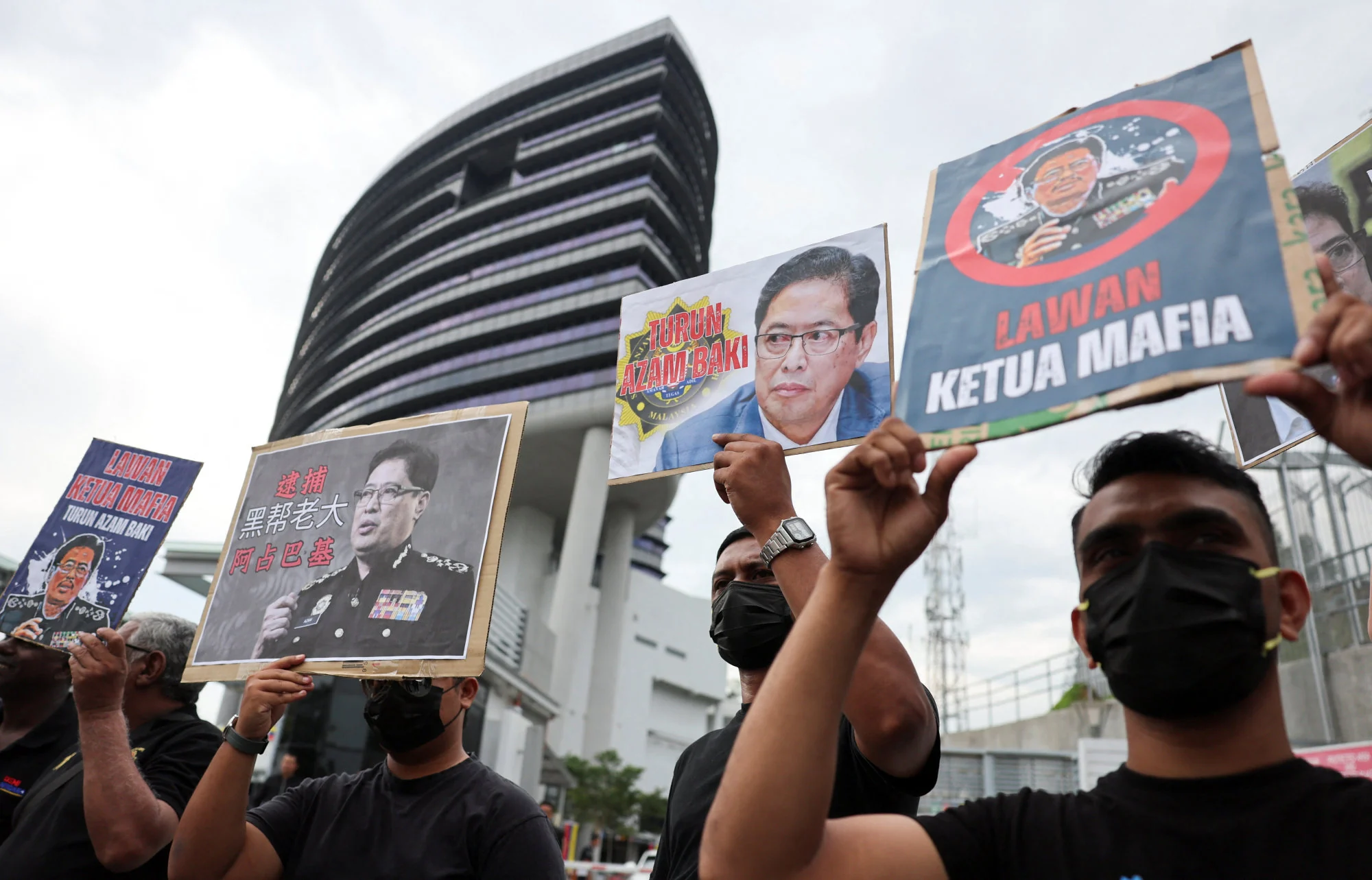
今年早些时候,年轻活动家加入了首都数千人的集会,要求(逮捕)前反腐败负责人 Azam Baki,他否认有任何不当行为,原因是他拥有可疑的大量股份。
Earlier this year, young activists joined the hundreds who rallied in the capital demanding the (arrest) of former anti-corruption chief Azam Baki, who denies any wrongdoing, over his suspiciously large shareholdings.
然而,人权组织一再指出马来西亚集会自由的限制以及“系统性地无视学生运动”。赋予年轻选民政治归属感的努力也举步维艰。专注于年轻人的马来西亚民主联盟(Muda)在今年 7 月柔佛州选举中输掉了其竞选的全部四个席位,包括其已拥有的一个席位。
Yet rights groups have repeatedly flagged limitations on freedom of assembly in Malaysia and a “systemic disregard for student activism”. Efforts to give young voters a political home have also struggled. The youth-focused Malaysian United Democratic Alliance, also known as Muda, lost all four seats it contested in Johor’s election this July, including the one it already held.
在邻国泰国,抗议活动经常受到压制和化解。2020-21 年反对军方执政的大规模青年主导的示威活动确实开启了此前不可触及的权力假设——包括君主制的作用——进入公众辩论。
In neighbouring Thailand, protest is routinely repressed and defused. Mass youth-led demonstrations against military-aligned rule in 2020-21 did open up previously untouchable assumptions of power – including the role of the monarchy – to public debate.
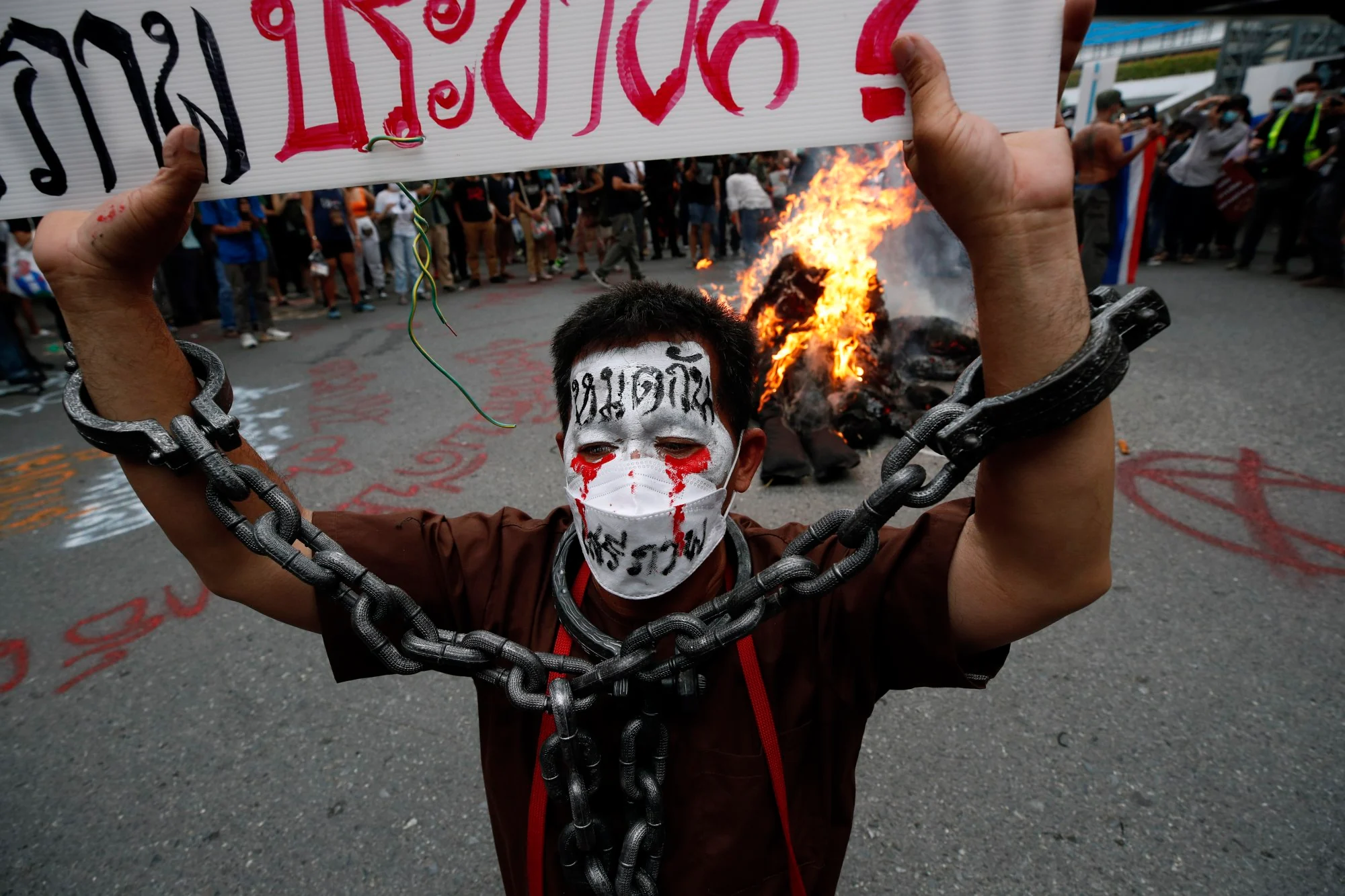
但当权者却将他们压制,逮捕并起诉了数十名年轻的抗议领袖,并在幕后重新洗牌政治格局,以确保其利益占据上风。
But the establishment pegged them back, arresting and prosecuting scores of young protest leaders and reshuffling the political deck behind the scenes to ensure its interests came out on top.
这包括解散激进改革派的未来前进党并禁止其领导人参政,以及在2024年禁止其广受欢迎的继任者前进党领导层。随着变革的势头停滞,泰国的保守派重新确立了他们的主导地位。现任总理阿努廷·查恩维拉库尔是执政精英集团的核心人物。
That included dissolving the radical reformist Future Forward party and banning its leaders from politics, as well as banning the leadership of its wildly popular successor, the Move Forward Party, in 2024. With momentum for change stalled, Thailand’s conservatives reasserted their dominance. Current Prime Minister Anutin Charnvirakul anchors the elite settlement in power.
但观察人士表示,社交媒体仍然为该地区年轻人提供了一个发泄渠道和组织方式,其结果往往难以预测。
But observers say social media still provides the region’s youth with an outlet and a way to organise, often with unpredictable results.
在菲律宾,表情包承担了大量工作。“政治表情包反映了对机构和政界人士的具体不满,”菲律宾大学迪里曼分校媒体与传播学讲师Petronilo Figueroa说。
In the Philippines, memes do much of the leg work. “Political memes speak to concrete frustrations towards institutions and politicians,” said Petronilo Figueroa, a media and communications lecturer at the University of the Philippines Diliman.
创始人Anicas表示,讽刺性的Facebook页面FTTM经常利用幽默“让复杂或有时令人不适的问题更容易被理解”,触及数百万粉丝。
Satirical Facebook page FTTM often used humour “to make complicated or sometimes uncomfortable issues more accessible” to its millions of followers, founder Anicas said.
他表示,该页面最吸引人的内容之一是关于去年的防洪腐败丑闻的帖子,该丑闻引发了大规模街头抗议,此前有指控称官员和承包商通过使用劣质材料或虚构项目侵吞了数十亿的国家资金。
Among its biggest draws, he said, were posts about last year’s flood control corruption scandal that sparked mass street protests amid allegations that officials and contractors had siphoned off billions in state funds by using substandard materials or inventing nonexistent projects.
该页面也面临法律反击,包括一名卡洛坎市官员因一则关于交通违规的病毒式帖子提起的诽谤诉讼,以及一名省长因另一则他声称恶意且事实不符的帖子发出的传票。
The page has also faced legal backlash, including libel charges brought by a Caloocan city official over a viral post about a traffic violation and a subpoena from a provincial governor over a separate post he claimed was malicious and factually incorrect.
然而,Anicas表示公众仍然支持他们。“人们确实仰慕[我们],尤其是Z世代……他们说,‘因为你们,我才开始参与其中’,”他说。
Yet Anicas said the public stuck by them. “People actually look up to [us], especially the Gen Zs … they say, ‘I’ve started involving myself because of you’,” he said.
这种支持可能会影响该国下一次总统选举,即2028年,届时选举委员会预计近三分之一的菲律宾选民将是Z世代。
That support could help shape the country’s next presidential election in 2028, when the Commission on Elections projects nearly one in three Filipino voters will be members of Gen Z. That said, “Gen Z is far from a homogeneous bloc”, Figueroa cautioned.
尽管如此,菲格罗亚警告说,“Z世代远非一个同质化的群体”,“因此赢得他们的支持将需要不止一个信息。”
“So winning their support will take more than a single message.”By Aidan Jones, Biman Mukherji, Junaid Kathju, Sam Beltran, Iman Muttaqin Yusof