斯图尔特·布劳恩 2026年11月10日作为即将召开的第31届联合国气候变化大会(COP31)的主要谈判代表,澳大利亚面临巨大压力,需开辟一条摆脱煤炭和天然气依赖的道路,并保护面临海平面上升威胁的太平洋邻国。
Stuart Braun November 10, 2026 The heat is on Australia as chief negotiator at the COP31 UN climate conference to forge a path away from coal and gas, and to protect Pacific neighbors facing rising sea levels.
谷歌搜索首选DW 澳大利亚将主导应对气候危机的谈判,但该国仍是全球第二大碳密集型煤炭出口国。 在即将在土耳其举行的联合国气候谈判中,澳大利亚作为谈判主席,正面临压力,需引导各国就大幅削减温室气体排放采取统一行动,而这些排放主要源于化石燃料的燃烧。
Prefer DW on Google Australia will lead talks to address the climate crisis, yet remains the world's second-largest exporter of carbon-heavy coal In its role as president of negotiations at the upcoming UN climate talks in Turkey, Australia is being pressured to guide nations towards unified action on slashing the greenhouse gas (GHG) emissions that are generated in large part by burning fossil fuels.
该国承诺在峰会上以身作则,坚定致力于可再生能源电气化,并减少对导致地球升温的煤炭、石油和天然气的依赖。
The nation has pledged to lead by example at the summit through a strong commitment to renewable energy electrification and reduced reliance on planet-heating coal, oil and gas.
澳大利亚气候变化部长克里斯·鲍文10月在斐济举行的COP气候大会筹备会议上表示:“可再生能源、电网、储能和电气化正在创造机遇,可同时增强韧性、改善能源安全并减少排放。”
"Renewable energy, grids, storage and electrification are creating opportunities to strengthen resilience, improve energy security, and reduce emissions at the same time," said Australian climate minister Chris Bowen in October during a meeting in Fiji ahead of the COP climate conference.
“这些技术当前已被证实成熟、商业化且可大规模推广。现在是加快实施的时刻。” 然而,澳大利亚也是全球第三大化石燃料出口国。与法国、德国以及从斐济到巴哈马等极易受气候变化影响的岛国不同,COP31联合主席国澳大利亚尚未承诺逐步淘汰化石燃料。
"These are proven, commercial and scalable today. Now is the moment for faster implementation." Yet Australia is also the world's third-largest exporter of fossil fuels. And unlike France and Germany or island nations from Fiji to the Bahamas that are highly vulnerable to a changing climate the COP31 co-president has not yet commited to phasing them out.
随着要求该国制定清晰清洁能源未来路线图的呼声日益高涨,批评人士称,其关于摆脱污染性电力来源的模糊承诺远远不够。
As calls grow for the country to set a clear route to a clean energy future, critics say its vague promise to transition away from polluting sources of power does not go far enough.
澳大利亚计划到2030年实现电网中82%的电力来自可再生能源。但化石燃料项目仍在持续获批 转型也关乎能源安全 环保非营利组织350.org指出,全球目前在建和规划中的煤矿项目中,有56%位于澳大利亚。
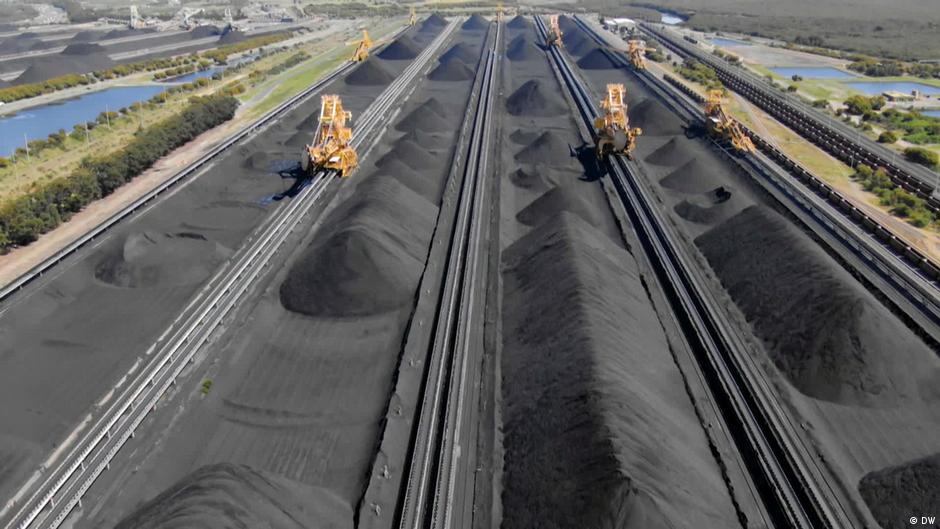
Australia is planning for 82% renewable electricity in its grid by 2030. But fossil fuel projects continue to be approved Transition is also about energy security Australia is home to 56% of global coal mine projects currently in the pipeline, notes environmental non-profit, 350.org.
该组织政治战略负责人安德烈亚斯·西伯呼吁这个世界第二大煤炭出口国扭转方向,并在COP31会议期间宣布一个“早该到来的煤炭淘汰日期”。
Andreas Sieber, head of political strategy at the organization, is calling on the country, the world's second-largest coal exporter, to reverse course and announce an "overdue coal phaseout date" during the COP31 conference.
“澳大利亚需要言行一致,效仿德国的榜样,承诺淘汰化石燃料,”总部位于澳大利亚的气候政策咨询机构“气候项目”创始人梅拉尼·皮尔说。
"Australia needs to walk the walk and follow Germany's example and commit to a phaseout," said Melanie Pill, founder of the Climate Project, an Australia-based climate policy advisory.
她解释说,终止化石燃料生产的理由不仅在于削减排放,还在于减少对依赖波动的石油和天然气市场的能源体系的依赖。
The argument to end fossil fuel production is not only about cutting emissions but reducing dependence on energy systems that rely on volatile oil and gas markets, she explained.
“面对中东持久且升级的冲突,淘汰化石燃料符合所有人的利益,”皮尔告诉德国之声。
"A fossil phaseout in the face of the enduring and escalating conflict in the Middle East is in the interest of everyone," Pill told DW.
伊朗战争引发的能源危机如何强化了可再生能源的理由 观看此视频 ,这一点对于依赖柴油的澳大利亚太平洋岛国邻居尤为真实,根据新南威尔士大学气候风险与应对研究所的一份报告,这些国家在化石燃料进口上花费高达GDP的25%——而医疗支出仅占6%。
How Iran war energy crisis strengthens case for renewables To view this video , and This is especially true for Australia's diesel-reliant Pacific neighbours, who spend up to 25% of GDP on fossil fuel imports — as opposed 6% on health — according to a report by the Institute for Climate Risk and Response at the University of New South Wales.
皮尔表示,作为联合国气候谈判的首席谈判代表,澳大利亚可以利用能源安全挑战作为理由,“扭转叙事”,推动化石燃料淘汰。 气候特使仍在推动煤炭和天然气 然而,如果澳大利亚不解决化石燃料出口问题,这一机会可能会错失。2022年,化石燃料出口占澳大利亚总碳足迹的80%——并占全球排放量的近5%。
As lead negotiator at the UN climate talks, Australia can "flip the narrative" on a fossil fuel phaseout using the challenge of energy security as a justification, said Pill Climate tsar still pushing coal and gas This opportunity could be lost, however, if Australia fails to address fossil fuel exports that accounted for 80% of its total carbon footprint in 2022 — and near 5% of global emissions.
尽管该国是屋顶太阳能领域的世界领导者,且约一半电力来自可再生能源,但这一进展“因其持续批准更多化石燃料用于出口而被抵消”,绿色和平澳太分部COP31首席代表兼气候专家西蒙·布拉德肖说。
While the nation is a world leader in rooftop solar and generates around half of its electricity from renewables, this progress is "being undone by its continued approval of more fossil fuels for export," said Simon Bradshaw, COP31 lead and climate expert at Greenpeace Australia Pacific.
他指出,总理安东尼·阿尔巴尼斯领导的工党政府自四年前以亲气候纲领上台以来,已批准了38个煤炭、石油和天然气项目的建设、扩建或延期。
He notes that the Labor government of Prime Minister Anthony Albanese has approved the construction, expansion or extension of 38 coal, oil and gas projects since coming to power four years ago on a pro-climate platform.
“如果你自己的家务事都没处理好,就别指望能在国际气候事务上发挥领导作用,”全球气候政策研究机构“气候分析”的气候与能源政策分析师托马斯·霍利说。
"You cannot aspire to lead on climate abroad if you're not getting your own house in order," said Thomas Houlie, climate and energy policy analyst at Climate Analytics, a global climate policy institute.
去年,澳大利亚批准将该国西部一项主要天然气出口项目的运营期限延长至2070年,阿尔巴尼泽以“能源供应安全”与“支持减少排放的转型”之间的平衡为由,为这一举措辩护。输往中国的澳大利亚煤炭助长了源自澳大利亚化石燃料出口的全球排放量中的5%。澳大利亚公开支持全球摆脱推动全球气温上升、导致极端高温和干旱的化石燃料。
Last year, when Australia approved the extension of a major gas export project in the country's west until 2070, Albanese justified the move in the name of a balance between "security of energy supply" and "support [for] the transition which reduces our emissions." Australian coal arriving in China contributes to the 5% of global emissions derived from Australian fossil fuel exports The country has publicly backed a global transition away from the fossil fuels driving the global temperature rise linked to extreme heat and drought.
无论是通过2023年联合国气候峰会达成的“全球盘点”,还是通过今年4月在哥伦比亚举行的首届“摆脱化石燃料”峰会,澳大利亚与其他56个国家承诺制定化石燃料退出路线图。
Both through the Global Stocktake agreed at the 2023 UN climate summit, and via the inaugural "transitioning away" summit in Colombia this April, at which Australia and 56 countries pledged to develop a fossil fuel exit roadmap.
但这些承诺并未体现在澳大利亚的资源政策或其国内清洁电力基础设施的推广中。
But these commitments are not reflected in Australian resources policy, or its domestic rollout of clean power infrastructure.
霍利说:“虽然政府设定了电力可再生能源目标,但在其他领域却留下了大量盲区。”他补充称,工业和交通领域的减排幅度有限,到2030年实现电网82%可再生能源目标的推进进度落后于计划。
"While the government has set a renewables target for electricity, it leaves plenty of blind spots in other sectors," said Houlie, adding that emission reductions in industry and transport have been limited and that the push to achieve an 82% renewables target for the electricity grid by 2030 is behind schedule.
澳大利亚需要为太平洋邻国挺身而出。作为第31届联合国气候变化大会(COP31)的首席谈判代表,澳大利亚承诺确保任何最终会议文件都能“提升”该地区从瓦努阿图到图瓦卢等小太平洋岛国的“观点和经验”。这些排放量低却承受着气旋恶化或海平面上升等极端气候冲击的岛国“厌倦了澳大利亚在气候问题上的两面派做派”,绿色和平组织澳太分部负责人希瓦·古登说。
Australia needs to step up for Pacific neighbors In its role as lead negotiator at COP31, Australia has promised to ensure that any final conference text serves to "elevate the views and the experiences" of small Pacific nations in its region from Vanuatu to Tuvalu These island countries that generate low emissions yet suffer extreme climate impacts from worsening cyclones or rising seas are "sick of Australia's double talk on climate," said Shiva Gounden, Head of Pacific at Greenpeace Australia Pacific.
澳大利亚必须承诺提供“实质性的新资金贡献”,以帮助太平洋邻国适应气候紧急状况并实现能源独立,西蒙·布拉德肖表示。他重申,需要同时制定一份摆脱煤炭和天然气生产及出口的“国家路线图”。
Australia must commit to "substantial new funding contributions" to help Pacific neighbors adapt to the climate emergency and achieve energy independence, said Simon Bradshaw. He reiterated the need to concurrently create a "national road map" away from coal and gas production and export.
由侯利共同撰写的气候分析报告概述了一条澳大利亚可立即启动的化石燃料逐步淘汰路径。这包括到2034年结束燃煤发电,并迅速减少石油和天然气消费,到2040年可再生能源发电占该国电力供应的近乎全部。化石燃料出口项目将被取消,现有项目将在变得过时前关闭。
Climate Analytics report co-authored by Houlie outlines a fossil fuel phaseout pathway for Australia that can begin immediately. This includes an end to coal power generation by 2034 and a rapid reduction in oil and gas consumption with renewables generating almost all the country's electricity by 2040. Fossil fuel export projects would be eliminated, and existing ones shuttered before becoming obsolete.
侯利表示:“这一共同主席国身份是澳大利亚挺身而出并承诺逐步淘汰化石燃料的黄金机遇。”图瓦卢——与气候变化的现实共存
"This co-presidency is a golden opportunity for Australia to step up and commit to a phaseout," said Houlie. Tuvalu – living with the reality of climate change