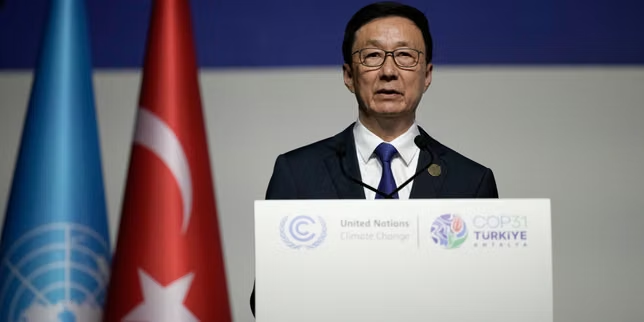
世界上最富有的国家中,哪些应该向欠发达国家提供财政援助,帮助它们摆脱化石燃料依赖并应对气候危机的后果?这是第31届联合国气候变化大会(COP31)正在讨论的众多问题之一,该会议定于11月20日在土耳其安塔利亚闭幕。欧盟和法国多年来一直主张扩大缴费国名单,特别关注中国和海湾国家,这些国家如今已是主要经济体。
Which of the world's wealthiest countries should provide financial assistance to less developed nations to help them transition away from fossil fuels and cope with the consequences of the climate crisis? This question is one of many under discussion at the 31st United Nations Climate Change Conference (COP31), set to conclude on November 20 in Antalya, Turkey. The European Union and France have advocated for years to expand the list of countries required to pay the bill, with a particular focus on China and Gulf states, which are now major economic powers.
虽然这一问题在之前的COP会议上已被提出,但欧洲代表抵达安塔利亚时决心将其重新列入议程。欧盟环境专员杰西卡·罗斯瓦在10月表示:“寻找扩大出资方基础的途径至关重要。”法国更将其列为“优先事项”,环境部长莫尼克·巴尔比特担任气候融资工作组联合协调人。该问题在最近于亚美尼亚埃里温举行的第17届生物多样性大会(COP17)上也被广泛讨论,同样由欧盟推动。
While this issue has been raised at previous COPs, European representatives arrived in Antalya determined to put it back on the agenda. "It is crucial to find ways to enlarge the contributor base," stated EU Environment Commissioner Jessika Roswa in October. France, in particular, has made it "a priority," as Environment Minister Monique Barbut is co-facilitating the working group on climate finance. The matter was also widely debated at the recent COP17 on biodiversity in Yerevan, Armenia, again driven by the EU.
关于这一“出资方基础”的分歧最早出现于30多年前,即1992年《联合国气候变化框架公约》通过之时。该公约将世界分为两组:发达国家(北美和欧洲的几十个国家,加上日本和澳大利亚)和发展中国家(世界其他地区)。公约附件二规定,第一组约20个国家“提供新的和额外的财政资源”给第二组国家,以便它们减少排放并满足适应成本。
The dividing line over this "contributor base" first emerged more than 30 years ago, with the adoption of the United Nations Framework Convention on Climate Change in 1992. The convention split the world into two groups: developed countries (a few dozen states in North America and Europe, plus Japan and Australia) and developing countries (the rest of the world). Annex II of the convention stipulates that about 20 countries in the first group "provide new and additional financial resources" to those in the second, so they can reduce emissions and meet adaptation costs.