11月州选举中民主党的重大胜利,可能使该党有能力弥补美国医疗保障网中最大的剩余缺口:医疗补助计划,即联邦与州共同资助、为低收入美国人提供医疗服务的项目。长期以来,有十个州拒绝扩大该计划,而民主党在其中几个州获得了新的权力,包括德克萨斯州、佐治亚州和威斯康星州。
November’s big Democratic wins in state races could empower the party to close the largest remaining gap in America’s healthcare safety net: Medicaid, the joint state-federal program providing healthcare for low-income Americans. Ten states have long refused to expand it, and Democrats have new power in several of them, including Texas, Georgia and Wisconsin.
在这些州,关于扩大医疗补助计划的冲突,很可能成为2027年的决定性政治斗争,这对数十万美国人将产生深远影响。仅在德克萨斯州——这个拥有美国最高无保险率的州——扩大医疗补助计划,将为惊人的110万人提供保险覆盖。
In these states, the clash over expansion is likely to be 2027’s defining political struggle — one with profound consequences for hundreds of thousands of Americans. In Texas alone, the state with the nation’s highest rate of uninsured people, expanding Medicaid would provide coverage to an astronomical 1.1 million people.
关于扩大医疗补助计划的争论已持续近15年。前总统贝拉克·奥巴马的《平价医疗法案》基本上要求各州将医疗补助资格扩大到收入不超过联邦贫困线138%的低收入成年人,目前四口之家的该收入约为4.5万美元。2012年,最高法院裁定,华盛顿只能鼓励,而不能强制各州扩大医疗补助计划。
The battle over expanding Medicaid has been simmering for nearly 15 years. President Barack Obama’s Affordable Care Act essentially required states to expand eligibility for Medicaid to low-income adults earning up to 138% of the federal poverty level, now about $45,000 for a family of four. In 2012, the Supreme Court ruled that Washington could only incent, not require, the states to expand Medicaid.
蓝州纷纷报名参加,但许多红州起初却犹豫不决。不过,渐渐地,即使是大多数红州也加入了,要么通过州立法行动,要么通过公投。目前,40个州已扩大该计划,为额外2000万人提供了保险。
Blue states rushed to sign up anyway, but many red states initially balked. Gradually, though, even most of the red states joined, either through state legislative action or ballot initiatives. Forty states have now expanded the program — providing insurance to an additional 20 million people.
在已扩大该计划的州,扩大医疗补助计划非常受欢迎。它减少了医院和医生的无偿医疗,改善了健康结果,并惠及两个政党都声称尊重的人群:低收入劳动者。已扩大该计划的州,其无保险率已降至未扩大州的一半左右。
Expanding Medicaid has been enormously popular in the states that have done so. It reduces uncompensated care for hospitals and doctors, improves health outcomes and benefits a population both parties claim to venerate: low-income working people. States that have expanded have slashed their uninsurance rate to about half the level of the states that have not.
扩大医疗补助对各州而言是一项相对划算的交易,因为联邦政府承担了新增参保人费用的大部分。例如,最佳估计显示,若实施扩大,德克萨斯州每年将获得 90 亿美元的新增联邦资金,而只需自付 10 亿美元。“这既是一项医疗福利,也是这些州的一项经济利益,能带来这笔联邦资金的流入,”医疗智库 KFF 政策执行副总裁拉里·莱维特说。
Expansion is a relative bargain for states because the federal government covers more of the cost for the new enrollees. The best estimate, for instance, is that under expansion, Texas would receive $9 billion in new federal funds annually, for only $1 billion of its own money. “It’s a healthcare benefit, but it’s also an economic benefit to these states to have this influx of federal money,” says Larry Levitt, executive vice president for policy at KFF, a healthcare think tank.
但有 10 个州坚决拒绝扩大资格范围。KFF 和城市研究所均估计,若这些州加入该计划,全美无保险人数将减少约 240 万。
But 10 states have resolutely refused to expand eligibility. Both KFF and the Urban Institute have estimated that if those states joined the program, it would reduce the number of uninsured nationwide by about 2.4 million.
进入本次大选前,共和党在所有未扩大医疗补助的州均控制着州长职位和州议会,堪萨斯州和威斯康星州除外,这两个州的共和党占多数的州议会多次阻挠了民主党州长的扩大提案。但民主党本月在威斯康星州赢得了州长职位和州议会两院多数,在德克萨斯州和佐治亚州赢得了州长职位和州众议院多数。
Heading into this election, Republicans controlled the governorship and state legislature in all the non-expansion states, except Kansas and Wisconsin, where GOP-majority legislatures have repeatedly blocked expansion proposals from Democratic governors. But Democrats this month won the governorship and both state legislative chambers in Wisconsin, as well as the governorship and state House in Texas and Georgia.
在威斯康星州,当选民主党州长大卫·克劳利和民主党占多数的州议会正在探索多种扩大覆盖面的方案。威斯康星公民行动组织执行主任罗伯特·克雷格表示,他乐观地认为民主党将团结在其中一项方案背后。“他们认为必须通过人们生活中能切身感受到的事情……而且在这方面他们能产生的影响,远比在食品杂货价格或汽油价格上大得多,”他说。
In Wisconsin, Democratic Governor-elect David Crowley and the Democratic legislative majorities are exploring several options to expand coverage. Robert Kraig, executive director of Wisconsin Citizen Action, says he’s optimistic Democrats will coalesce behind one of them. “They think they have to pass things that people feel in their lives … and they can have much more of an impact here than they can on grocery prices or gas prices,” he says.
在佐治亚州,当选州长基莎·兰斯·博特姆斯将医疗补助扩大列为首要任务。民主党在州众议院拥有稳固多数,共和党在州参议院仅以两席之差勉强保持优势,当地观察人士认为她有很好的条件强力推动该提案通过。
In Georgia, incoming Governor Keisha Lance Bottoms has called Medicaid expansion her top priority. With a solid Democratic majority in the state House, and Republicans clinging to a narrow two-seat state Senate advantage, local observers believe she’s well-positioned to muscle it through.
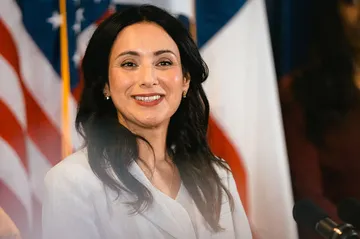
德州将是主战场。新当选的民主党州长吉娜·欣霍萨也将扩张列为首要优先事项,她同样拥有稳固的州众议院多数席位。然而,德州共和党人在州参议院仍保持着19比12的稳固多数。
Texas will be the main event. Newly elected Democratic Governor Gina Hinojosa has also tagged expansion as a top priority, and she too now has a secure state House majority. However, Texas Republicans maintain a solid 19-12 state Senate majority.
但扩张的理由在德州尤其充分,该州医疗体系,尤其是农村地区,正因治疗如此多的无保险患者而承受压力。民主党州众议员约翰·布西是扩张的主要倡导者,他说,即将到来的斗争将取决于那些农村地区的共和党参议员,他们认识到扩张将惠及其社区,但一直担心在共和党领导人反对“奥巴马医改”的情况下公开支持扩张。
But the case for expansion is especially compelling in Texas, where the state healthcare system, particularly in rural areas, is straining under the pressure of treating so many uninsured patients. Democratic State Representative John Bucy, a leading expansion advocate, says the upcoming fight will pivot on rural Republican senators who recognize that expansion would benefit their communities but have feared endorsing it while GOP leaders opposed “Obamacare.”
“共和党参议员无法为其选区做最好的事,”布西告诉我。但现在,“他们也获得了新的开始。”即使在民主党未能打破共和党统一控制的州,他们在南卡罗来纳州、密西西比州、亚拉巴马州、佛罗里达州和堪萨斯州(他们还在那里担任州长)都赢得了足够的州立法机构席位,可能产生新的动力,家庭美国组织执行主任安东尼·赖特说,该消费者团体专注于医疗保健可及性。
“Republican senators could not do what is best for their district,” Bucy told me. But now, “they get a fresh start, too.”Even in the states where Democrats didn’t break unified GOP control, they gained enough state legislative seats in South Carolina, Mississippi, Alabama, Florida and Kansas (where they also hold the governorship) to possibly generate new momentum, says Anthony Wright, executive director of Families USA, a consumer group that focuses on healthcare access.
“医疗补助扩张将为数以十万计的选民带来戏剧性的实质性利益,没有任何其他政策能与之匹敌,”赖特告诉我。“这将是为寻求变革的选民提供真实、切实成果的巨大方式。”民主党面临的一个障碍是:共和党的“一项宏伟伟大法案”将其前所未有的医疗补助削减集中在扩张州。这将使试图现在扩张的民主党人面临复杂的财务问题。州一级的民主党人与地方共和党人就扩张问题周旋的同时,国会民主党人将与特朗普和国会共和党人就废除这些削减——他们承诺在头100天内废除——展开争夺。
“Medicaid expansion would be a dramatic material benefit to literally hundreds of thousands of constituents that no other policy could match,” Wright told me. “It would be a huge way to deliver real, tangible results for voters who are looking for change.”One hurdle for Democrats: The GOP’s “One Big Beautiful Bill” focused its unprecedented Medicaid cuts on the expansion states. That will complicate the finances for Democrats trying to expand now. While state-level Democrats jockey with local Republicans over expansion, congressional Democrats will tussle with Trump and congressional Republicans over repealing those cuts — which they have pledged to do in their first 100 days.
在华盛顿和各州首府,加强医疗补助计划将是民主党兑现缓解经济拮据选民承诺的最佳早期机会,也将检验共和党是否会重新考虑让该党陷入困境的政策选择。
In both Washington and state capitals, bolstering Medicaid will offer Democrats their best early opportunity to deliver on their pledge to relieve economically squeezed voters — and test whether Republicans will reconsider the policy choices that landed their party in intensive care.