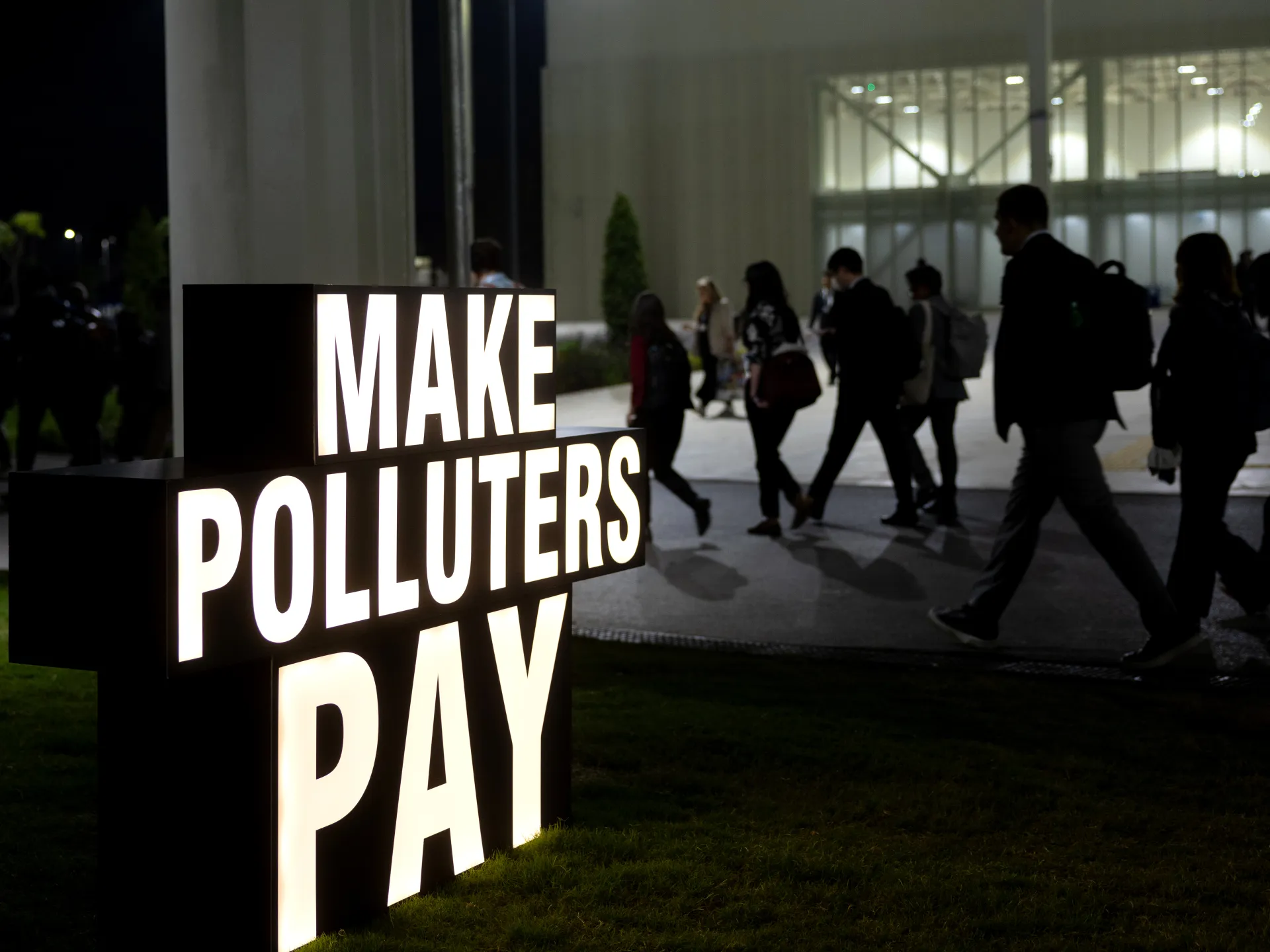
一份有争议的草案协议,暴露出今年在土耳其举行的联合国气候变化COP31会议参与国代表之间的分歧。
A contentious draft deal has laid bare divisions between delegates from states participating in this year’s United Nations climate COP31 talks in Turkiye.
峰会共同主办国澳大利亚周一公布的18页草案“覆盖决定”,包含广泛的要求,其中包括呼吁逐步淘汰化石燃料。
The 18-page draft “cover decision” published by summit cohost Australia on Monday includes a broad range of demands, including calls for a phaseout of fossil fuels.
该草案按现有内容,可能会使谈判“难以持续”,欧盟气候专员沃普克·霍克斯特拉表示,并补充说,“覆盖决定没有朝着正确方向发展,需要重大改变”。
The draft, as written, could make the negotiations “untenable”, said Wopke Hoekstra, the European Union’s climate envoy, adding that “the cover decision does not go in the right direction and needs significant change”.
“在进程开始时划红线很容易,”巴西环境部长若昂·保罗·卡波比安科表示,并补充说,僵局可以通过草案中的“措辞调整”来克服。
“It’s very easy to draw red lines at the start of the process,” said Joao Paulo Capobianco, Brazil’s environment minister, adding that deadlocks can be overcome through “an adjustment in the wording” in the draft.
主持COP31谈判的澳大利亚气候部长克里斯·鲍恩承认,文本中包含“并非所有缔约方都同意”的要素,并且本周结束前可能会推出“至少还有一个草案”。
Australian Climate Minister Chris Bowen, who is steering COP31 negotiations, acknowledged that the text included elements “that not all parties agree on”, and that there might be “at least one more draft” introduced before the end of the week.
谈判原定于周五结束,但气候谈判通常会超时,因为协议必须通过共识达成,这意味着即使是单个国家也可以阻止整个进程。
The talks are scheduled to end on Friday, but climate negotiations usually run into overtime as agreements must be reached by consensus, meaning even a single country can block the entire process.
草案文本包括呼吁富裕国家在2030年实现净零排放,以及逐步淘汰化石燃料的措辞,而产油国长期以来一直抵制这一措辞。
The draft text includes a call for wealthy nations to achieve net zero emissions by 2030, and wording on phasing out fossil fuels that oil-rich countries have long resisted.
关于净零排放问题在COP31达成共识“可能非常、非常困难”,安提瓜和巴布达岛国环境部长迈克尔·约瑟夫表示,并补充说他“很乐意看到一项呼吁逐步淘汰化石燃料的承诺”。
Consensus on the issue of net zero emissions at COP31 “might be very, very difficult”, said Michael Joseph, the environment minister of the island state of Antigua and Barbuda, adding that he “would love to see a commitment that calls on the phasing out of fossil fuels”.
“新兴国家想要对发达国家施加尽可能多的义务。这是策略,”一名要求匿名的欧洲国家官员告诉法新社。
“Emerging countries want to impose as many obligations as possible on developed countries. It’s tactical,” an official from a European country who requested anonymity told the AFP news agency.
“这些东西显然不可接受,”该官员表示,并指出一个成员包括沙特阿拉伯和印度的国家集团。
“These things are obviously unacceptable,” the official said, pointing to a bloc of countries whose members include Saudi Arabia and India.
沙特阿拉伯也是另一场争议的中心,这场争议涉及联合国气候科学专家组关键报告的出版时间表。数十个欧洲、非洲和太平洋国家希望这些报告能在2028年即将举行的COP33大会上对全球减碳努力进行关键核查之前出版。
Contention over IPCC reports Saudi Arabia is also at the centre of another battle over the timeline for the publication of crucial reports by the UN’s climate science panel, which dozens of European, African and Pacific states want published before a crucial verification of global carbon-cutting efforts at the next COP33 conference due in 2028.
政府间气候变化专门委员会(IPCC)每五到七年发布一系列报告,这些报告对全球变暖提供权威的科学评估,并为全球应对气候危机的政策提供依据。
The Intergovernmental Panel on Climate Change (IPCC) publishes a series of reports every five to seven years that provide the definitive scientific assessment of global warming and inform global policy responses to the crisis.
由于未能打破僵局,IPCC中止了上一次会议,新一轮会议定于12月召开以解决该问题。小岛屿国家联盟主席伊拉娜·塞伊德将推迟出版IPCC第七次评估报告的行为描述为“不可辩驳”。
The IPCC suspended its last meeting after failing to break the impasse, and a new session was set for December to resolve the issue, with Ilana Seid, chair of the Alliance of Small Island States, describing delays in publishing the IPCC’s seventh assessment report as “unjustifiable”.
这场争议已成为COP31上辩论的主要议题之一,该会议将于周五结束。
The dispute has become one of the main issues being debated at COP31, which ends Friday.
周二,沙特代表团在COP31上为其关于IPCC报告出版时间表的立场进行了辩护,称“沙特阿拉伯并不寻求推迟气候科学”。
On Tuesday, the kingdom’s delegation at COP31 defended its position on the publication timeline for the IPCC report, saying “Saudi Arabia is not seeking to delay climate science”.
该声明称,沙特“主张出版时间表应留出充足的科学审查、透明度和有意义的参与时间”,但并未明确提及利雅德希望何时看到这些报告出版。
Saudi Arabia “advocates publication timelines that allow sufficient scientific review, transparency and meaningful participation”, the statement said, without explicitly mentioning when Riyadh would like to see the reports published.