“我对此有种不好的预感,法务部门也有同感。”在银行合规监管极其严格的世界里,本行团队被法院传唤很少是好兆头。因此,2020年5月11日,当德意志银行金融犯罪业务主管欣里希·费尔克尔(Hinrich Völcker)手下一名成员收到德国联邦刑警局(Bundeskriminalamt)的出庭作证要求时,他迅速给副手发了邮件。
"I have a bad feeling about this and the legal department feels the same way." In the highly regulated world of banking compliance, having your own teams summoned by the courts is rarely a good sign. So, on May 11, 2020, when a member of his unit received a request to testify from the German Federal Criminal Police Office (Bundeskriminalamt), Hinrich Völcker, head of financial crime operations at Deutsche Bank, quickly wrote to his deputy.
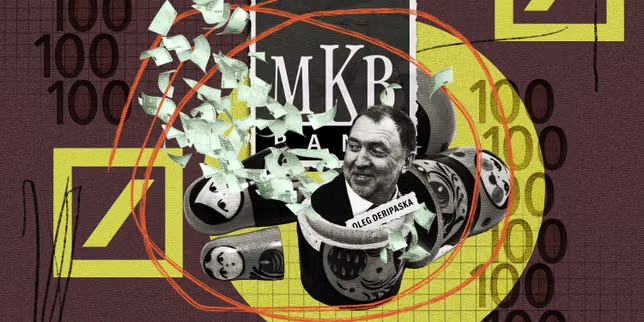
协作调查“深度调查德意志银行”获得的文件——这是一份由印度记者乔西·约瑟夫(Josy Joseph)和南非调查记者卡迪贾·沙里夫(Khadija Sharife)获取的数据泄露材料——揭露了一个可疑交易网络的存在,涉及的对象包括受美国制裁的俄罗斯寡头奥列格·杰里帕斯卡(Oleg Deripaska)。
Documents from the collaborative investigation "Inside Deutsche Bank" – a data leak obtained by Indian journalist Josy Joseph and South African investigative journalist Khadija Sharife – revealed the existence of a network of suspicious transactions involving, among others, a Russian oligarch subject to US sanctions, Oleg Deripaska.
这些文件隐含地也见证了这家德国银行多年来在为其他金融机构提供服务时的故意视而不见,这些机构因缺乏对资金来源的严格审查,成为了洗钱链条中的薄弱环节。
Implicitly, these documents also bear witness to years of willful blindness on the part of the German bank in its provision of services to other financial institutions, which proved to be the weak links in the money laundering chain, due to a lack of rigorous checks on the origin of funds.
在费尔克尔发邮件前三个月,一名受雇不到一年的分析师意外发现了一个重大洗钱计划。该分析师的调查最初始于两家在香港注册、没有明显关联的公司,它们的交易“可能与洗钱有关”。随着分析师进一步发现,他们观察到“多个支付流回流或经由多个中介账户走不必要的复杂路线”,最后汇聚到少数几个账户中。
Three months before Völcker's email, an analyst hired less than a year earlier accidentally uncovered a major money laundering scheme. The analyst's investigation initially began with two companies registered in Hong Kong with no apparent connection, whose transactions "were potentially linked to money laundering." As the analyst made further discoveries, they observed that "several payment flows looped back or passed through needlessly complex routes" via multiple intermediary accounts before being concentrated in a small number of accounts.