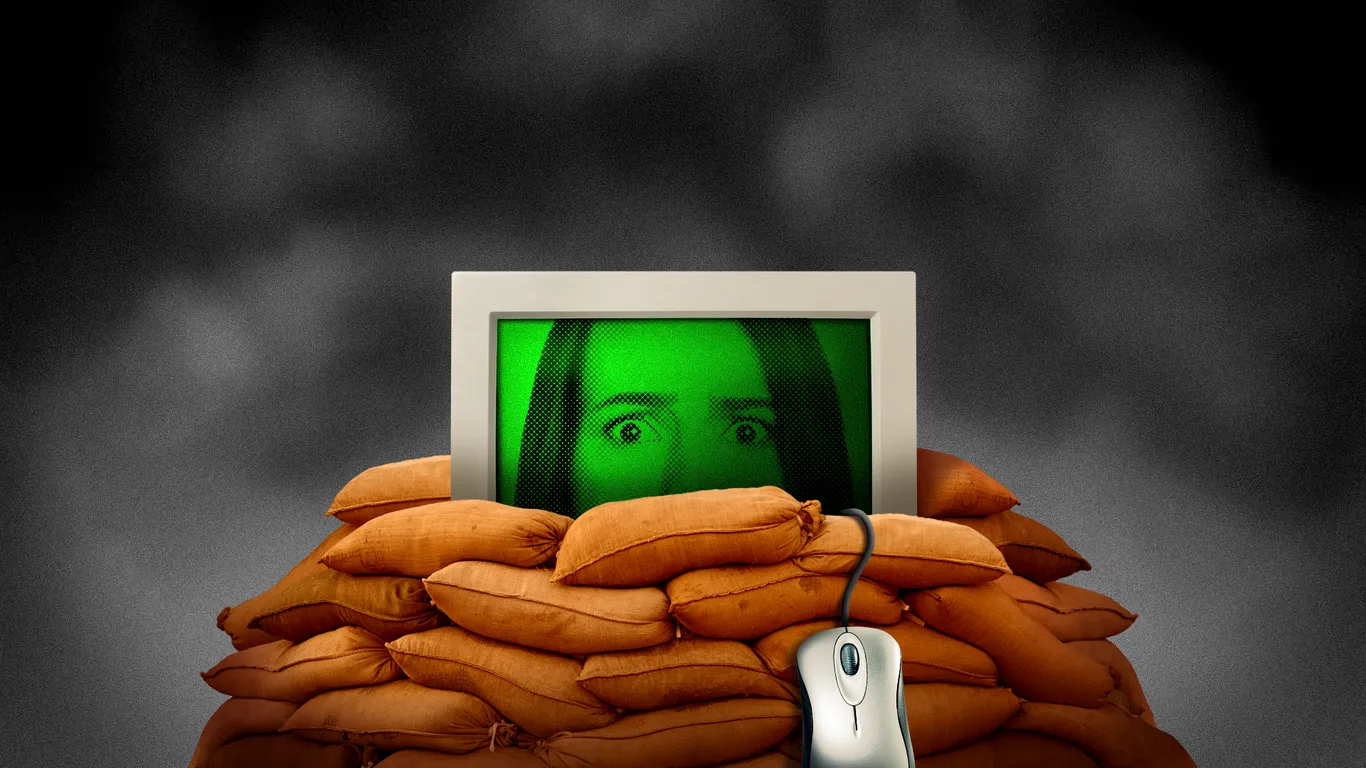
人们对几乎每小时都在发生、冲击航空出行、银行和微软 Outlook 等工作软件的技术故障爆发感到困惑不解、惊恐万状。这些故障看起来确实令人恐惧,且似乎有关联。
are baffled and alarmed by the daily, if not hourly, explosion of technical glitches hitting air travel, banks and work products like Microsoft Outlook. The outages seem genuinely scary and related. • So what the hell is going on?
- 到底发生了什么?
The most likely answer
最可能的答案这是日益强大的人工智能同时冲击我们、产生的意外后果的第一波真正浪潮。
This is the first true wave of unintended consequences of increasingly powerful artificial intelligence hitting us at once. The big picture:
大局观:简而言之,AI 极擅长构建软件,因此也极擅长发现并利用大型技术性、基于软件系统中的漏洞。
In short, AI is exceptionally good at building software, and therefore exceptionally good at spotting and exploiting bugs in large technical, software-based systems.
- 故障源头混杂 —— 既有无害的,也有惊悚的,包括:对老旧基础设施的例行更新;人类争分夺秒修补 AI 发现的漏洞;黑客利用现有弱点;以及不法分子利用成群的 AI 智能体发动日益复杂的网络攻击。
• The glitches come from a mix of sources — some innocuous, some scary, including: routine updates to aging infrastructure; humans scrambling to patch vulnerabilities discovered by AI; hackers exploiting existing weaknesses; and bad actors using swarms of AI agents to launch increasingly sophisticated cyberattacks.
这就是政府官员和 AI 专家认为我们正在步入的新现实。
That's the new reality that government officials and AI experts believe we're entering.
- 他们预计,这一动荡期和高度脆弱期将持续数月,因为强大的新 AI 工具正在暴露埋藏在几十年老旧系统中的弱点。
• They expect this period of disruption and heightened vulnerability to persist for months, as powerful new AI tools expose weaknesses buried in decades-old systems.
- 正流行的流行语:“软件贝鲁特” —— 一段由我们自己酿成的、级联式故障频发的时期,情况可能在好转前进一步恶化。
• The catchphrase gaining currency: "Software Beirut" — a period of cascading failures, many of our own making, that could grow worse before things get better. What this means for YOU
这对你意味着什么弄清下文详述的不同成因,克制每次出岔子就恐慌的冲动。
Understand the different causes, detailed below, and resist the temptation to panic every time something goes haywire.
- 很容易上社交媒体,让算法把你拖入末日式思维。
• It's easy to hop on social media and let the algorithm drag you into doomsday thinking.
你也应该做好准备重置并保护密码 如果可能,多备些现金,以防银行瘫痪一两天。储备一些基本应急物资,以防断电或停水。
You should also prepare Reset and protect your passwords Keep more cash on hand if possible, in case your bank is down for a day or two. Buy some basic emergency supplies in case power or water do go out.
- 遗憾的是,我们认为这段故障频发、可能遭遇网络攻击的时期将持续下去。有备无患。
• Sadly, we believe this season of glitches and possible cyberattacks will persist. Better to be prepared. Here's a more detailed look
下面更详细地剖析导致这些故障或瘫痪的不同成因:
at the different causes of these glitches or breakdowns: Updates to old systems:
老旧系统的更新:政府表示,上周五全国空域瘫痪仅仅是因为将旧铜线更换为新光纤,结果出了大问题。
The government says last Friday's nationwide airspace outage was simply a case of replacing old copper wires with new fiber that went very, very badly.
- 老化基础设施难以适配新组件。此次事故中,一个网络问题压垮了老旧设备,引发连锁反应,导致全国航班停飞。
• Aging infrastructure can struggle to accommodate new components. In this case, a network problem overwhelmed legacy equipment, triggering a cascade that grounded flights across the country.
AI 发现漏洞,人类争分夺秒修补:这是网络安全专家妮可·珀尔罗思的核心预判场景之一,本周在网络上广泛传播。AI 发现漏洞的速度快于人类调查和修补的速度。在抢在黑客利用漏洞前匆忙修复弱点的过程中,系统可能会崩溃。
AI spotting bugs and humans rushing to fix them: This is one of cyber expert Nicole Perlroth's core scenarios, which went viral this week. AI can find vulnerabilities faster than humans can investigate and patch them. In the frantic sprint to fix those weaknesses before hackers exploit them, systems can break.
- 据《华盛顿太阳报》报道,银行高管和美国国家安全局官员已告知议员,抢在前面修补 AI 发现的漏洞导致了本周部分故障的发生。
• According to the Washington Sun, banking executives and NSA officials have told lawmakers that rushed efforts to patch AI-discovered vulnerabilities contributed to some of this week's outages.
恶意行为者攻击脆弱系统整个欧洲的超市冰箱遭到黑客攻击,导致数百万美元的食物变质。
Bad actors attacking vulnerable systems Across Europe, supermarket refrigerators are being hacked spoiling millions of dollars' worth of food.
- 今年没人把“保护冰箱”列入安全待办清单。但这些攻击表明,黑客可以利用甚至最普通的联网系统——造成毁灭性的现实后果。
• No one had "protect the fridges" on their security to-do list this year. But the attacks show how hackers can exploit even the most mundane internet-connected systems — with devastating real-world consequences.
AI 赋能新型网络攻击谷歌本周表示,首次发现恶意行为者利用 AI 自主发现弱点并发动网络攻击——全程无人参与。
AI enabling new forms of cyberattacks Google said this week it had identified, for the first time, bad actors using AI to find weaknesses and launch cyberattacks entirely on their own — with no human in the loop.
- 如果还不够清楚,谷歌警告称,“对抗性 AI 格局已达到关键拐点。”
• If it wasn't already clear, Google warned that "the adversarial AI landscape has reached a critical inflection point."
核心结论:大多数企业和政府部门对 AI 驱动的网络攻击新时代准备严重不足。
The bottom line: Most companies and much of government are woefully unprepared for the new era of AI-powered cyberattacks.
- 它们的系统陈旧、笨重且漏洞百出。加固这些系统需要巨额资金、时间和持之以恒的努力。
• Their systems are old, clunky and riddled with vulnerabilities. Fortifying them will take enormous amounts of money, time and persistence.
- 好消息是:我们已看清危险逼近,仍有(一点)时间为未来可能到来的威胁做好防护。
• The good news: We can see the danger coming, and still have (a little) time to protect ourselves for what may come next.
Axios 的 Ben Berkowitz 和 Zachary Basu 对本文亦有贡献。
Axios' Ben Berkowitz and Zachary Basu contributed.