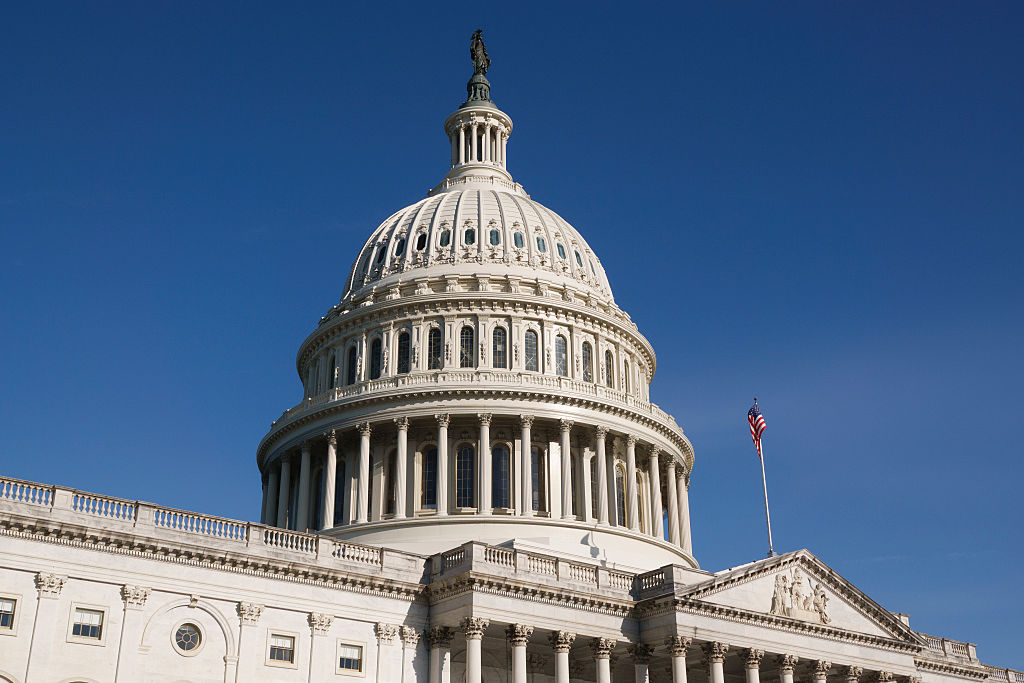
参议院于11月18日投票决定推进《2026年两党可负担与美国就业法案》(BAAJA),这是一项颇具争议的许可改革法案,旨在加快国家建设基础设施和能源项目的能力——在现行流程下,这往往需要数年时间。该法案——在环保人士和清洁能源倡导者中引发分歧——现在将面临参议院的最终表决,随后移交众议院。
The Senate voted on Nov. 18 to move forward with the Bipartisan Affordability and American Jobs Act (BAAJA) of 2026, a controversial permitting reform bill that aims to speed up the nation’s ability to build infrastructure and energy—which can often take years under the current process. The bill—which has divided environmentalists and clean energy advocates—will now face a final Senate vote before moving to the House of Representatives.
在部分清洁能源倡导者和其他支持者眼中,BAAJA的目的是简化许可流程,以帮助增加能源供应,这将产生降低客户成本的额外效果。超过300家太阳能和储能公司支持该法案,美国石油学会及其他石油天然气行业领袖也表示支持。
The purpose of BAAJA, in the eyes of some clean energy advocates and other supporters, is to streamline the permitting process to help increase energy supply, which would have the added effect of reducing costs for customers. Over 300 solar and energy storage companies are in support of the bill, along with the American Petroleum Institute and other leaders in the oil and gas industry.
哥伦比亚大学全球能源政策中心碳管理项目主任杰克·安德烈森·卡瓦诺说:“因为该法案旨在削减让能源供应上线的一些繁文缛节,这将对部分价格上涨形成下行压力。”不过,这种影响不会立竿见影。经济与政策研究机构铂铑集团预测,到2040年,家庭电费每年将节省50至78美元。
“Because this bill seeks to cut some of the red tape of getting that supply of energy online, it would then put a downward pressure on some of those price increases,” says Jack Andreasen Cavanaugh, the director of the carbon management program at the Center on Global Energy Policy at Columbia University. The impact, however, won’t be felt immediately. The Rhodium Group, an economic and policy research firm, projects $50-78 in annual savings for household electricity bills in 2040.
对清洁能源倡导者而言,BAAJA还将有助于清理阻碍可再生能源接入电网的积压项目。密歇根大学环境与可持续发展学院助理教授杰弗里·亨德森说:“风能和太阳能项目的批准,特别是这些州际输电线路的批准,对我们实现清洁能源目标至关重要。”他补充说,许可流程往往会拖延项目。
For clean energy advocates, BAAJA would also help clear the backlog that is holding up renewables entering the grid. “Approval of wind and solar projects, and especially these interstate electricity transmission lines, are really crucial for us to meet our clean energy goals,” says Geoffrey Henderson, assistant professor in the school for environment and sustainability at the University of Michigan, who adds that the permitting process often delays the projects.
扩建输电线路的项目通常规模巨大且跨越州界,随着更多州参与其中,也面临着许可方面的挑战。“有大量太阳能和风能发出后从未被实际利用,因为无法将其输送到有需求的地方,”亨德森说。“清洁能源倡导者多年来一直在努力扩展输电线路网络。”加强输电线路建设是一个获得两党广泛支持的议题。然而,为了加快这一进程,以及其他能源项目的审批流程,法案目前的版本将通过缩减相关法规下的环境审查流程,削弱包括《国家环境政策法》和《清洁水法》在内的多项环境保护措施。
Projects to expand electric transmission lines, which are often large scale and cross state lines, also face permitting challenges as more states get involved. “There's a lot of solar and wind power that gets generated but never actually used because it can't be transmitted to the places where the demand is,” says Henderson. “Clean energy advocates for years have been trying to expand the network of transmission lines.”Shoring up transmission lines is an issue that has broad bipartisan support. Yet to speed up the process, along with the approval process for other energy projects, the bill as it stands now would weaken a number of environmental protections, including the National Environmental Policy Act and the Clean Water Act, by narrowing environmental review processes across those statutes.
“这些是几十年前颁布的环境法律,一旦削弱将很难恢复,”亨德森说。
“These are environmental laws that were originally enacted decades ago and could be very hard to restore,” says Henderson.
该法案遭到了包括“塞拉俱乐部”和“地球正义”在内的多个环保组织的抨击,他们主张《建设美国公正能源法案》将限制公众参与,并限制法院叫停依据非法许可推进项目的能力;他们认为,虽然该法案会让清洁能源建设更容易,但也会让化石能源项目同样受益。
The bill has received pushback from a number of environmental advocates, including the Sierra Club and Earthjustice, who argue that BAAJA stands to limit public participation, and restrict the courts’ ability to stop projects that are proceeding under unlawful permits, and that, while it would make it easier to build out clean energy, it would also do the same for fossil fuels.
其中一项条款允许开发商在认为项目受到不公正对待或被拒批时起诉政府。这将通过将决定与一个待建立的基准进行比较来裁定——即在10年期内,无论是石油、天然气、风能、太阳能、管道等哪类能源项目,获批或被拒的数量基准。一些环保人士担心,这可能会拖慢国家清洁能源目标的实现进程。
One provision allows developers to sue the government if they fear their project has been unfairly treated or denied. This would be determined by comparing the decision against a to-be-established baseline for the number of energy projects—whether for oil, gas, wind, solar, pipelines, and so on—that were approved or denied over a 10-year period. Some environmentalists worry this could slow down the country’s clean energy goals.
亨德森表示:“如果后续政府想要改变这些项目的批准速度,比如因气候担忧而降低油气项目的批准率,那么这些项目的开发商实际上将能够提起诉讼,声称他们受到了政府的不成比例待遇。”此外,另一条款规定,一旦许可证获批,几乎不可能将其撤销。
“If a subsequent administration wanted to change the rate at which those projects were approved, say approving oil and gas projects at a lower rate, perhaps due to climate concerns, then those developers of those projects would actually be able to sue, saying that they were getting disproportionate treatment from the government,” says Henderson. What’s more, another provision makes it so that, once a permit is issued, it would be virtually impossible to revoke it.
有人表示,该法律的解释可能取决于谁在任,并可能在未来数十年塑造美国的能源基础设施。罗迪姆集团预测,在其审查的每种情景下,《建设美国清洁能源法案》(BAAJA)都将减少排放,但其分析未包含“许可确定性”条款。这些条款旨在阻止总统歧视不受青睐的项目,但可能导致未来政府无法撤销特朗普政府发放的任何有利于化石燃料的许可。
How the law is interpreted could depend on who is in office, some say—and could shape America’s energy infrastructure for decades. The Rhodium Group projects BAAJA will cut emissions in every scenario it examined, but does not include the “permit certainty” provisions in its analysis, which are designed to stop presidents from discriminating against unfavorable projects, but could leave a future administration unable to undo any fossil-fuel friendly permits issued by the Trump Administration.
亨德森说:“你可以想象,像我们现在的政府这样,基本上在不太考虑环境影响评估质量的情况下,快速推进化石燃料项目的批准。如果环保团体想在法庭上挑战这些项目,他们将几乎没有补救途径来减轻这些项目造成的危害。”另一方面,有人认为该法案可能为快速、大规模采用清洁能源奠定基础——并使其更难受到挑战,就像特朗普政府目前正在对数百个风电项目所做的那样。
“You could imagine an administration such as our current administration basically fast tracking the approval of fossil fuel projects without much regard to the quality of the environmental impact assessment,” says Henderson. “If environmental groups wanted to challenge those projects in court, they would have little recourse to mitigate the harms that those projects would do.”On the other hand, some argue that the bill could lay the groundwork for fast, ambitious clean energy adoption—and make it harder for it to be challenged, as the Trump Administration is currently doing with hundreds of wind projects. (Though in the bill's current form, so advocates argue that the Trump Administration will be able to continue to block wind projects on the grounds of national security concerns.)
(尽管在法案的当前形式下,倡导者认为特朗普政府将能够继续以国家安全担忧为由阻挠风电项目。)包括加利福尼亚州众议员贾里德·哈夫曼在内的部分民主党人主张,在跛脚鸭期间采取观望态度,以便在明年1月民主党重新掌控国会时谈判达成更好的协议。
Some Democrats, including representative Jared Huffman of California, have advocated for waiting out the lame-duck period in order to negotiate a better deal come January, when Democrats regain control of Congress.
然而,继续等待可能仍无法达成许多人期盼的结果。“如果你看看新当选的参议员,总体而言,其中一批人会被归类为温和派民主党人,其中许多人来自油气生产州,”安德烈森·卡瓦诺说。“无论你在谈判什么,我都很难相信你能争取到一些惩罚性措施,或者任何会主动损害油气行业的东西。”
However, waiting still might not yield the results many are hoping to see. “If you look at the new senators that were elected, by and large a group of them would be categorized as moderate Dems, many of them from oil and gas producing states,” says Andreasen Cavanaugh. “In whatever you're negotiating, I find it difficult to believe that you're going to get some punitive measures or anything that would be actively harmful to the oil and gas industry.”
亨德森表示,按现状通过法案是一场赌博,但这不是可以轻率承担的风险。“我们冒的风险是,阻碍可再生能源发展的障碍将在未来两年内继续存在。特朗普已发出信号,表示将继续阻挠风电项目,同时国家扩大油气出口基础设施,”他指出。“我们冒着无法真正改善风电项目前景的风险,同时基本上削弱了对油气扩张的制约,这将在我们实在无法再承担任何朝这个方向迈进的步骤之际,显著增加美国对气候变化的贡献。”
Passing the bill as it stands now is a gamble, but it’s not a risk that should be taken lightly, says Henderson. “The risk that we're running is that impediments to the development of renewable energy will remain in place for the next two years. Trump has signaled that he will continue to block wind projects while the country expands its infrastructure for exporting oil and gas,” he notes. “We risk not really improving the outcome for wind projects, for instance, while basically weakening checks on expansion of oil and gas, which would significantly increase the U.S.'s contribution to climate change at a time where we really can't afford any more steps in that direction.”