2026年11月26日 民主党在期中选举中取得亮眼表现的尘埃尚未完全落定,议员们仍需在新一届美国国会于2027年上任前完成相关工作:也就是一项罕见获得跨党派支持的项目许可改革法案。该法案可能会加速清洁能源或化石燃料的发展——或者根据不同受访者的看法,两者兼而有之。
November 26, 2026 While the dust has barely settled on the Democrats' big midterm showing, lawmakers still have business to get done before a new US Congress takes office in 2027: namely, a permitting reform bill with rare cross-party support that could accelerate clean energy or fossil fuels — or both, depending on who's asked.
项目许可改革听起来可能有些乏味。但《两党美国负担能力与就业法案》(BAAJA)可能会对该国的能源结构、家庭公用事业账单和气候目标产生深远影响。
Permitting reform might sound like a snooze. But the Bipartisan American Affordability and Jobs Act (BAAJA) could have far-reaching consequences for the country's energy mix, household utility bills and climate goals.
该法案得到了美国总统唐纳德·特朗普的支持,目前已在参议院获得通过,接下来将在众议院面临表决。《德国之声》为您剖析该法案的内容、场外上演的政治博弈,以及它对消费者钱包和美国能源转型的意义。该法案有何作用?
BAAJA, which is backed by US President Donald Trump, has already cleared the Senate and now faces a vote in the House of Representatives. DW breaks down what's in the bill, the political fight playing out on the sidelines and what it could mean for consumers' pockets and the US energy transition. What does the bill do?
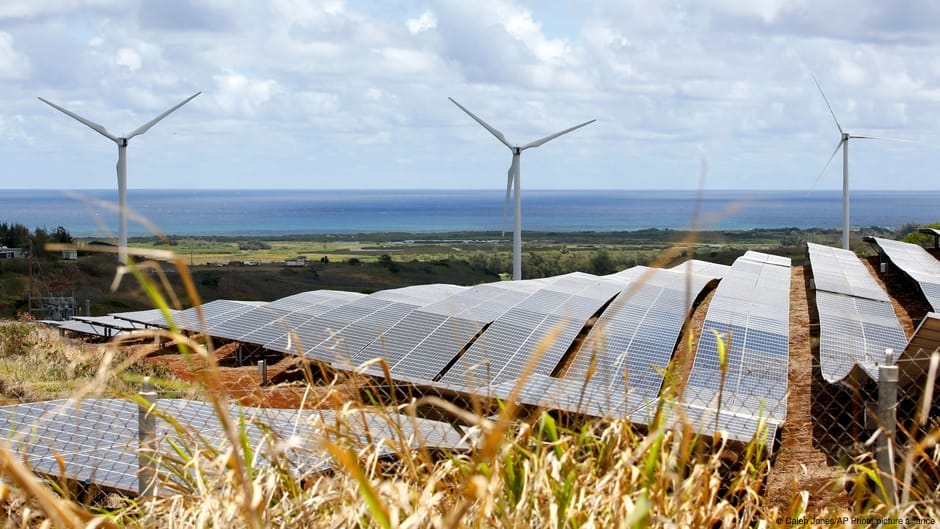
在许多新的太阳能农场、风电项目或发电厂接入电网之前,它们必须首先通过繁琐且复杂的许可流程。
Before many new solar farms, wind projects or power plants can connect to the electricity grid, they must first pass through an arduous and complex permitting process.
为一个能源项目获得开工绿灯通常需要数年时间,并需要多个政府机构颁发的许可。如果它设法克服了这些障碍,法律诉讼也很容易让新的基础设施停滞不前。
Getting the greenlight for an energy project can often take years and requires permits from multiple government agencies. If it manages to overcome those hurdles, a legal challenge can easily stop new infrastructure in its tracks.
这份长达近500页的法案旨在彻底改革这一流程。它将加快环境审查,简化输电线路的规划和建设,使许可更难被撤销,并要求数量不断增加的数据中心为其所需的电网升级付费。
The nearly 500-page bill aims to overhaul that process. It would speed up environmental reviews, simplify the planning and construction of power transmission lines, make permits harder to revoke and require the growing number of data centers to pay for grid upgrades they need.
该法案在很大程度上对技术持中立态度。因此,理论上讲,那些能让大量绿色能源基础设施快速建设的改革,也可以用来加速那些碳排放正在使地球变暖的石油和天然气项目。
The bill is mostly technology-agnostic. So, the same reforms that would make it easier to build a lot of green energy infrastructure quickly could, in theory, be used to speed up oil and gas projects whose carbon emissions are warming the planet.
这正是该法案引发争议的原因:一些民主党人表示,需要进行项目许可改革来降低能源账单;而另一些人则表示,他们支持某些条款(例如建设输送绿色能源所需的更多输电线路),但不支持整个法案。该法案会减少还是增加排放?这很难评估,外界存在大量相互矛盾的信息。
That's what's made BAAJA controversial, with some Democrats saying permitting reform is needed to get energy bills down and others saying they support provisions, like building more transmissions lines required for transporting green energy, but not the whole package. Would the bill cut emissions or raise them? It's hard to estimate, and there's a lot of contradictory information out there.
独立研究机构荣鼎集团发现,在其运行的所有情景下,该法案都会降低美国的温室气体排放,到2040年,与没有该法案相比,排放量降幅可达4%。这只是美国今年退出《巴黎协定》时放弃的减排目标的一小部分。
The Rhodium Group, an independent research firm, found the bill would lower US greenhouse gas emissions in every scenario it ran, by up to 4% in 2040 compared with no bill. This is a fraction of the emissions reductions targets the US dropped when it withdrew from Paris climate accord this year.
普渡大学工程师凯文·基尔彻得出了相反的结论。他的分析尚未经过同行评审,估计国内排放量将增加约2%左右,这主要是因为他假设该法案将提振美国的化石燃料产量。
Purdue University engineer Kevin Kircher reached the opposite conclusion. His analysis, which has not been peer-reviewed, estimates domestic emissions would rise by about 2%, mostly because he assumes the bill would boost US fossil fuel production.
这种差异归结为一个赌注:该法案最终会加速推进什么的发展:是可再生能源及输电线路,还是化石燃料。这取决于哪个政府在发放许可证。
The difference comes down to a bet about what the bill ends up speeding up more: renewables and the power lines to carry them, or fossil fuels. That depends on which administration is issuing the permits.
例如,在乔·拜登政府执政期间,可再生能源得到了提振;但自从特朗普上任以来,其政府一直青睐化石燃料,并花费数十亿美元支付开发商放弃其海上风电租约的费用。这对美国家庭能源账单意味着什么?
Under Joe Biden's administration, for instance, renewables got a boost but since Trump took office, his administration has favored fossil fuels and spent billions paying developers to give up their offshore wind leases. What would it mean for US household energy bills?
白宫经济顾问委员会是一个为总统提供建议的经济学家团队,该委员会估计,该法案最终将使普通家庭每年的电费减少178美元至251美元(162欧元至229欧元)。
The White House Council of Economic Advisers, a team of economists that advises the president, estimates it would eventually cut the average household's electricity bill by $178 to $251 (€162 to €229) a year.
其逻辑是,漫长的许可延误阻碍了基础设施投资,从而推高了价格。但该估计只考虑了法案的一部分,即更快的环境审查,并且没有说明节省的费用何时能兑现。
The logic is that long permitting delays discourage investment in infrastructure, which drives up prices. But that estimate considers only one part of the bill, faster environmental reviews, and doesn't say when the savings would arrive.
独立分析也发现消费者的电价有所下降,尽管降幅更为温和。荣鼎集团估计,到2035年,该法案的通过将使普通家庭每年节省41美元至66美元。这主要归因于新的输电线路将使更便宜的电力输送到客户手中,并且扩建数据中心电网的成本将不再转嫁给家庭。
Independent analyses also found a drop in electricity prices for consumers, though a more modest one. The Rhodium Group estimates the bill's passage would save the average household $41 to $66 a year by 2035. That's largely because new transmission lines would let cheaper power reach customers and the costs of expanding the grid for data centers would no longer be passed on to households.
批评人士指出,这些节省的资金是相对的。数据中心不断增长的电力需求预计无论如何都会推高价格,而项目许可改革只能减缓这种上涨,而不能将其逆转。
Critics point to the fact that those savings are relative. Electricity demand from data centers is expected to push up prices regardless, and permitting reform would only slow that rise rather than reverse it.
反对该法案的倡导组织“国际石油变革”辩称,家庭最终支付的能源费用仍将高于现在,特别是如果该法案主要加速天然气项目的话,因为预计未来十年美国天然气价格将大幅上涨。环保人士对此有何看法?
Oil Change International, an advocacy group that opposes the bill, argues households will still end up paying more for energy than they do now, especially if the bill mainly speeds up gas projects, since US gas prices are expected to rise sharply over the next decade. What do environmentalists say about it?
美国大多数主要的环保组织都反对目前版本的法案,包括自然资源保护委员会、保护选民联盟和地球正义。山峦协会称其“根本上有缺陷”。大部分批评集中在使联邦许可证更难被撤销的条款上。
Most major US environmental groups oppose the bill as written, including the Natural Resources Defense Council, League of Conservation Voters and Earthjustice. The Sierra Club called it "fundamentally flawed." Much of the criticism focuses on provisions making federal permits harder to revoke.
地球正义在一份批评意见中写道:“它将阻止未来的政府重新审视前任政府批准北极钻探、深海采矿或在公共土地上开发数据中心等活动的有缺陷的决定。”
"It would prevent a future administration from reconsidering a prior administration's flawed decisions to authorize activities such as Arctic drilling, deep seabed mining, or development of data centers on public lands," Earthjustice wrote in a critique.
反之亦然。这一条款也使得新政府更难介入并叫停清洁能源项目,正如特朗普对海上风电所做的那样。
The reverse is also true. That provision also makes it harder for an administration to come in and halt clean energy projects, as Trump did with offshore wind.
反对者警告称,该法案可能会削弱对水质和栖息地的保护,并限制环境诉讼。环保组织赞赏的一个领域是对输电线路规划和审批方式的彻底改革。
Opponents warn the bill could weaken protection for water and habitats, and limit environmental lawsuits. One area that environmental groups praised is the overhaul of how transmission lines are planned and approved.
这一点很重要,因为美国风力最大、日照最充足的地方往往远离需要电力的城市,建设连接它们的远距离输电线路可能需要十年或更长时间。
That matters because the windiest and sunniest places in the US are often far from the cities that need power, and building long-distance power lines to connect them can take a decade or more.
尽管如此,许多批评人士表示,他们宁愿等到民主党人在1月控制国会,再通过一个更侧重于清洁能源的版本。尽管这种做法存在风险,但任何法案仍需要特朗普签字才能成为法律。
Still, many critics say they would rather wait until Democrats control Congress in January and pass a version more focused on clean energy. Though that approach is risky, any bill would still require Trump's signature to become law.