美国参议院推进了一项重大的许可改革法案,该法案可能从根本上改变联邦政府批准和建设能源及基础设施项目的方式,为加利福尼亚州及全美的新输电线路、管道和可再生能源项目打开大门。
The U.S. Senate has advanced a major permitting reform bill that could fundamentally change how the federal government approves and builds energy and infrastructure projects, opening the door for new transmission lines, pipelines and renewables in California and across the nation.
《两党美国可负担与就业法案》(BAAJA)将是数十年来联邦能源和基础设施许可领域最全面的改革,也是自拜登总统2022年《通胀削减法案》以来最具影响力的能源法律。预计该法案将于12月初移交众议院审议。专家表示,这已成为检验立法者在多大程度上愿意削弱环境保护以换取更快基础设施建设的重要试金石。
The Bipartisan American Affordability and Jobs Act, or BAAJA, would be the most sweeping overhaul of federal energy and infrastructure permitting in decades, and the most consequential energy law since President Biden's Inflation Reduction Act of 2022. It is expected to move to the House for consideration in early December. Experts say it has become an important test of where lawmakers are willing to draw the line when it comes to weakening environmental protections in favor of faster infrastructure development.
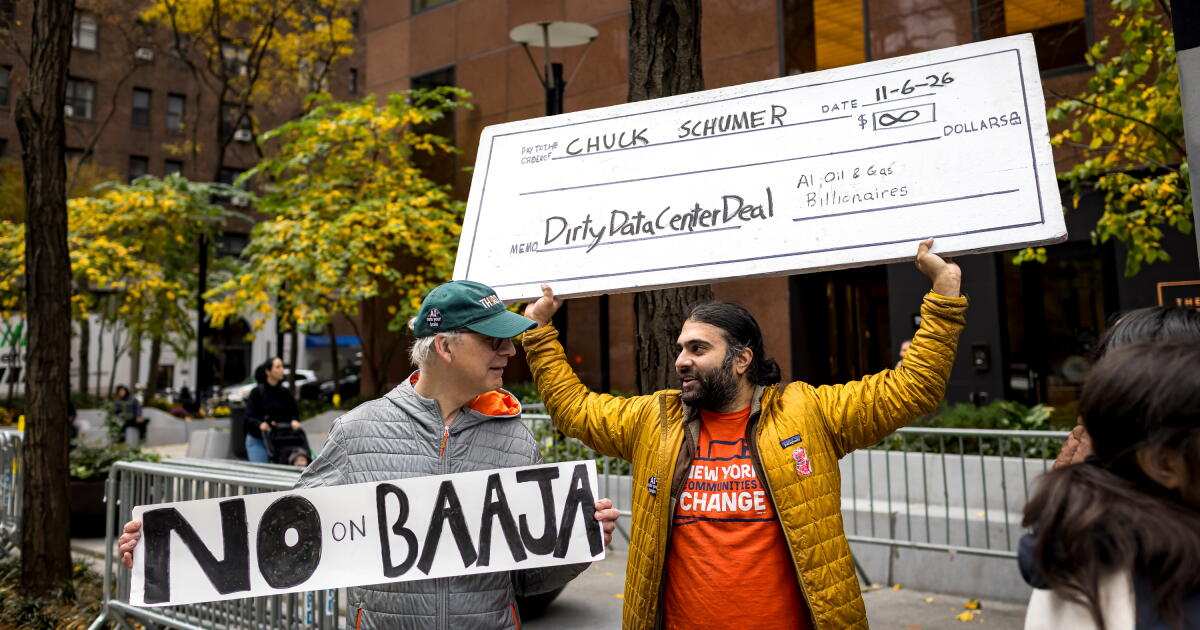
该法案将使解决阻碍清洁能源转型的瓶颈变得容易得多,但也将使建设化石燃料基础设施和数据中心变得更加容易。参议院于周四以62票对33票通过该法案,15名民主党人投了赞成票,其中包括来自纽约州的少数党领袖查克·舒默。加利福尼亚州的两位参议员亚当·希夫和亚历克斯·帕迪亚均投了反对票,称该法案实现了一些至关重要的优先事项,但在其他方面有所欠缺。
The bill would make it significantly easier to address the bottlenecks slowing the clean energy transition, but would also make it easier to build fossil fuel infrastructure and data centers. The Senate on Thursday voted 62 to 33 to pass the bill, with 15 Democrats in favor, including Minority Leader Chuck Schumer of New York. Both California senators, Adam Schiff and Alex Padilla, voted against it, saying it achieves some critically important priorities but falls short on others.
该法案范围异常广泛,包含将彻底改革《国家环境政策法》、《濒危物种法》、《清洁水法》和《历史保护法》的条款,旨在缩小部分环境审查的范围、缩短许可时间表、限制诉讼机会并改变某些项目的待遇。它还将使新输电线路的许可更容易、要求公用事业公司参与区域规划、使能源项目许可更难被撤销,并为人工智能数据中心制定新规则,要求其承担更大比例的电力需求成本。
The bill is notably broad and includes provisions that would overhaul the National Environmental Policy Act, the Endangered Species Act, the Clean Water Act and the Historic Preservation Act in an effort to narrow the scope of some environmental reviews, shorten permitting timelines, limit opportunities for litigation and change how certain projects are treated. It would also make it easier to permit new transmission lines, require utilities to participate in regional planning, make energy project permits harder to revoke, and establish new rules for artificial intelligence data centers to bear a greater share of the costs for their power demands.
“人们对这项法案既有支持也有担忧,这很合理,”斯坦福大学气候与能源政策项目主任迈克尔·瓦拉说。“它对环境法做了一些令人担忧的事情。另一方面,它为我们需要建设的基础设施审批铺平了道路。”瓦拉说,可能因《建设美国基础设施法案》(BAAJA)而获得快速审批的加州项目之一,是菲利普斯66公司和金德摩根公司拟建的“西部门户管道”项目。
"It is reasonable to feel both ways about this bill," said Michael Wara, director of the Climate and Energy Policy Program at Stanford. "It does some concerning things to environmental law. On the other hand, it clears a pathway for permitting of infrastructure we need to build." One California project that might be fast-tracked by BAAJA is the proposed Western Gateway Pipeline from Phillips 66 and Kinder Morgan, Wara said.
该管道将是首条将成品油直接输送至西海岸的管道,从密苏里州等东部地区向亚利桑那州和加利福尼亚州输送汽油、柴油和航空燃油。虽然部分加州民众可能不喜欢新建化石燃料基础设施的想法,但瓦拉表示,该项目将终结加州作为“燃料孤岛”的地位,这种地位让居民过度依赖州内炼油厂,并推高了汽油价格。菲利普斯66公司是其成员的美国石油学会支持该法案,称参议院周四的投票是“历史性许可改革的重大突破,将为消费者提供更负担得起的能源,减少昂贵的延误,并建设急需的关键基础设施。”
The pipeline would be the first ever to bring refined products directly to the West Coast, delivering gasoline, diesel and jet fuel to Arizona and California from as far east as Missouri. While some Californians might not love the idea of new fossil fuel infrastructure, Wara said the project would end California's status as a "fuel island," which has made residents too dependent on in-state refineries and driven up gasoline prices. The American Petroleum Institute, of which Phillips 66 is a member, supported the bill, describing the Senate's vote Thursday as "a major breakthrough on historic permitting reforms that would deliver more affordable energy for consumers, cut costly delays, and build much-needed critical infrastructure."
《建设美国基础设施法案》还将为新的长距离输电项目打开大门,这些项目可向加州输送更多清洁电力。这可能包括将加州与怀俄明州或新墨西哥州的风电场、或内华达州的太阳能电站相连。“我们没有以所需的速度建设那种区域性的西部电网……大规模获取这些资源是我们让加州民众负担得起能源转型的方式,”瓦拉说。
BAAJA would also open the door for new longer-distance transmission projects that could deliver more clean electricity to California. That might include connecting California to wind farms in Wyoming or New Mexico, or to solar fields in Nevada. "We are not building that kind of regional Western grid at the pace that is required ... and getting access to those resources at scale is how we keep the energy transition affordable for Californians," Wara said.
这就是为什么许多清洁能源团体支持该立法,称其不仅将使国家能源系统现代化、降低飙升的能源成本,还将有助于减少推动气候变化的温室气体排放。民主党参议员新墨西哥州参议员马丁·海因里希是该法案的联合发起人之一,他在一份声明中说,该法案将避免高达15亿吨的累计碳排放和540亿美元的公共卫生损失。
That's why many clean energy groups have supported the legislation, saying it will not only modernize the nation's energy system and bring down soaring energy costs, but also help bring down the greenhouse gas emissions that are driving climate change. Democratic Sen. Martin Heinrich of New Mexico, a coauthor of the bill, said in a statement it would avoid as much as 1.5 gigatons of cumulative carbon emissions and $54 billion in public health damages.
他指出,新墨西哥州的SunZia风电项目——最近开始向加利福尼亚州输送电力——耗时二十多年才完成,而BAAJA将有助于加快未来类似项目的进度。“这是一项来之不易的两党协议,过程并不容易,”海因里希说。“但我们证明了民主党人和共和党人可以放下政治分歧,为美国人民带来实质性成果。”然而,一些著名的环保和部落团体反对该立法,称其撤销了太多对野生动物、公共土地、清洁水源和部落的保护,并给石油天然气公司和数据中心开发商做出了过多让步。
He noted that the SunZia wind project in New Mexico — which recently began delivering electricity to California — took more than two decades to complete, and that BAAJA would help speed similar projects in the future. "This was a hard-fought bipartisan agreement, and it wasn't easy," Heinrich said. "But we proved that Democrats and Republicans can put politics aside and deliver meaningful results for the American people." However, a number of prominent environmental and tribal groups oppose the legislation, saying it rolls back far too many protections for wildlife, public lands, clean water and tribes, and gives too many concessions to oil and gas companies and data center developers.
希夫和帕迪利亚推动了一项修正案,旨在删除该法案对《国家历史保护法》的修改,他们称这些修改威胁部落主权。“我强烈认为我们需要许可改革,并快速高效地建设新基础设施,”希夫在一份声明中说。“但我也认为,这可以在不必要地降低清洁水质、危害野生动物或不尊重部落国家的前提下完成。基于这些根本原因,我反对该法案。”
Schiff and Padilla pushed for an amendment that would have struck the legislation's changes to the National Historic Preservation Act, which they said threaten tribal sovereignty. "I strongly believe we need permitting reform and to build new infrastructure quickly and efficiently," Schiff said in a statement. "But I also believe that this can be done in a way that does not needlessly degrade clean water, endanger wildlife, or disrespect tribal nations. And for those fundamental reasons, I opposed the bill."
预计该法案在众议院将面临更多阻力,少数党领袖哈基姆·杰弗里斯(民主党-纽约州)对其若干条款表示担忧。加利福尼亚州众议员贾里德·哈夫曼是众议院自然资源委员会首席民主党议员,他最近对《时报》表示,明年该党控制众议院和参议院后,他希望推进一项民主党主导的许可改革法案。但其他加州议员表示已准备好推动该法案过关,包括众议员斯科特·彼得斯(民主党-圣地亚哥),他撰写了该立法的一些核心条款。
The bill is expected to face more resistance in the House, with Minority Leader Hakeem Jeffries (D-N.Y.) expressing concern about several of its provisions. California Rep. Jared Huffman, the top Democrat on the House Natural Resources Committee, told The Times recently that he would want to advance a Democratic permitting reform bill after the party takes control of the House and Senate next year. But other California lawmakers say they're ready to see it across the finish line, including Rep. Scott Peters (D-San Diego), who wrote some of the central components of the legislation.
“归根结底,我认为我们有一份非常好的法案,我们应该推动它通过,这样我们在新的多数党地位下就不会再被同样的问题所困扰,”彼得斯本周在一次电话会议中表示。“因为如果不通过,我们就得从零开始。”他说,《建设美国清洁能源法案》不仅将促进加州新的清洁能源项目,还将使联邦政府更难撤销正在进行项目的批准——特朗普总统今年早些时候就对海上风电项目这样做过。
"At the end of the day, I think we have a really good bill, and we should get this passed so that we can not be burdened in our new majority with the same issues," Peters said in a phone call this week. "Because if we don't, we start from zero." He said BAAJA will not only facilitate new clean energy projects in California, but also make it harder for the federal government to revoke approvals for projects underway — something President Trump did with offshore wind projects earlier this year.
虽然该法案在技术上是中立的——意味着它对化石燃料项目的支持力度可能与可再生能源项目一样大——但彼得斯表示,它实际上将“改变能源结构,使其向清洁能源倾斜,因为目前受阻的正是清洁能源。”他说,加州约有22吉瓦的可再生能源项目因输电问题而延误。
And while the bill is technology-neutral — meaning it could support fossil fuel projects as much as renewable ones — Peters said it would effectively "change the mix toward clean energy because that's what's being held back now." There are about 22 gigawatts of renewable energy projects in California that have been delayed because of transmission problems, he said.
斯坦福大学的瓦拉表示,该法案中还有一项鲜少被讨论的条款将“对加州产生重大影响”。它将改变《清洁空气法》对烟雾污染的处理方式,最终使该州更容易实施计划烧除——许多人认为这将有助于减少野火的蔓延和严重程度。对于主张最好等到民主党重新控制国会的反对者,瓦拉表示那将是一场赌博。“我认为,指望能获得一份不同且更好的协议是错误的,”他说。“你或许能做到——我们无法排除这种可能——但你也很可能一无所获。”
Wara, of Stanford, said there's another, less-discussed provision of the bill that would be "a big deal" for California. It would change how smoke pollution is treated under the Clean Air Act, and ultimately make it easier for the state to conduct prescribed burns — something many say will help reduce the spread and severity of wildfires. As for opponents who say it would be better to wait until Democrats retake control of Congress, Wara said that would be a gamble. "I think confidence that you would get a different and better deal is misplaced," he said. "You might be able to — we can't rule out that world — but you also might well end up with nothing."