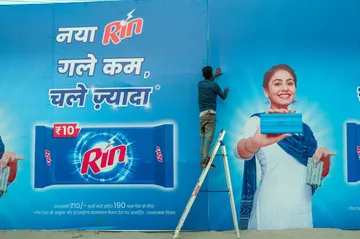
印度经济与其股市正背道而驰。随着印度进入一年中最繁忙的时期,一连串印度教节日和季风收获季接踵而至,消费需求飙升。从洗发水、珠宝到婴儿配方奶粉、手表,各行各业企业均报告称需求强劲——甚至成功提价。然而,印度联合利华有限公司和马鲁蒂铃木印度有限公司等风向标企业的股价却跌至多年低点。
India’s economy and its stock market are not seeing eye to eye. As the nation begins its busiest part of the year marked by a string of Hindu festivals and monsoon harvests, consumer demand is skyrocketing. Companies selling everything from shampoos to jewelry to baby formula to watches are reporting robust demand — and even managing to raise prices. Yet the stocks of bellwethers like Hindustan Unilever Ltd. and Maruti Suzuki India Ltd. have sunk to multiyear lows.
印度股市跑输全球市场已逾两年,市值缩水近半,外资持续外逃。业绩令人失望、鲜少受惠于人工智能热潮,以及美国关税和伊朗战争引发的油价飙升等外部冲击,均拖累了回报。随着全球资金管理者找不到投资理由,部分看多者寄希望于:一旦消费需求加速,企业盈利改善将抵消拖累、重振回报。
Indian stocks have underperformed global markets for more than two years, losing nearly half their value, as foreign capital fled. Disappointing earnings, scant exposure to the artificial-intelligence boom, and external shocks such as US tariffs and oil-price spikes from the Iran war have all weighed on returns. As global money managers ran out of reasons to invest, some bulls nursed one hope — that once consumer demand accelerated, corporate earnings would improve, offsetting the drag and reviving returns.
如今,连这点微弱希望也在破灭。最新季度财报显示,消费繁荣不太可能终结股市的跑输表现。我们很可能正步入一个悖论时期——经济快速增长与股市低迷并存。
Now, even that flicker is being doused. The latest quarterly results show that a consumption boom is unlikely to end stocks’ underperformance. We may well be heading into a paradoxical period — rapid economic growth co-existing with an equity market in the doldrums.
这个拥有15亿人口的国家,消费需求正强势回归。据Redseer Strategy Consultants(睿兹咨询)数据,电商市场将迎来五年来最快增速,2026年有望达到创纪录的900亿美元。官方数据显示,消费需求的趋势性增长已上移几个档次。
Consumer demand among the country’s 1.5 billion people is coming back with a roar. The e-commerce market is heading for its fastest growth in five years and will hit a record $90 billion in 2026, according to Redseer Strategy Consultants. The trend growth in consumer demand has moved up a couple of notches, according to official data.
从消费品企业Dabur India Ltd.(达伯印度有限公司)到Nestlé India Ltd.(雀巢印度有限公司),再到珠宝商Titan Co.(泰坦公司),企业纷纷报告销售额实现双位数增长。得益于强劲需求,大多数企业正在提价。
From consumer-goods company Dabur India Ltd. to Nestlé India Ltd. to jeweler Titan Co., businesses are reporting double-digit sales growth. Most are hiking prices because of robust demand.
但这对投资者来说还不够。他们现在更看重韧性,而非表面增长。问题不再仅仅是公司能以多快的速度扩张,而是当更高的投入成本、税收和其他压力正在侵蚀利润率时,它们能将多少增长转化为利润。股东对消费类公司通过牺牲利润率来追求增长毫无胃口。股票的定价反映的是在外部压力(尤其是油价飙升)冲击下,该国能够维持的最低扩张速度。
But that’s not enough for investors. They are now valuing resilience more than headline growth. The question is no longer simply how fast companies can expand, but how much of that growth they can convert into profits when higher input costs, taxes and other pressures are eating into margins. Shareholders have little appetite for consumer companies pursuing growth by surrendering profit margins. Shares are being valued for the minimum rate of expansion the country can sustain in the wake of external pressures, especially surging oil prices.
经济对油价尤为脆弱。印度进口近90%的原油需求。这开始损害盈利能力。伊朗战争爆发八个月来,基准指数Sensex成分股公司的平均利润比一年前的预测低11%。
The economy is particularly vulnerable to oil prices. India imports almost 90% of its crude-oil needs. That’s starting to hurt profitability. Eight months into the Iran war, the average profit at companies in the benchmark Sensex index is coming in 11% below forecasts made a year ago.
更高的燃料和运费成本也正传导至食品价格和其他日常商品,并最终将抑制家庭支出。正是这种未来的可能性正被股市提前定价。通过油价上涨输入的通胀将持续到伊朗战争结束,经济学家预计通胀将在2027年之前一直维持高位。正在评估消费类公司财务业绩的投资者,已经发现部分这种压力正在渗透显现。
Higher fuel and freight costs also are feeding into food prices and other everyday goods, and will eventually curtail how much households spend. It’s that future possibility that stocks are pricing in. The inflation imported through higher oil prices will persist until the Iran war ends and economists expect it to remain high well into 2027. Investors evaluating the financial results of consumer companies are already finding some of that stress seeping through.
不断攀升的大宗商品价格在推高成本,而需求却在超越供应。原油衍生原料和其他投入品价格使得生产从肥皂、洗涤剂到化妆品的一切产品都变得昂贵,涨价不足以抵消这一影响。
Escalating commodity prices are lifting costs even as demand is outstripping supply. Crude-derived ingredients and other input prices are making it expensive to produce everything from soaps, detergents and cosmetics, and price hikes are not enough to offset that.
印度教历从10月到次年1月节日密集,家庭会在被视为必需品而非可选消费的祭祀相关采购上花钱。这给企业利润带来了短期提振,但节日季一过就会枯竭。那么,什么能终结印度股市的跑输表现?
The Hindu calendar is choc-a-bloc with festivals from October to January, when families spend on ritual-linked purchases that are considered necessities rather than discretionary. That’s giving a short-term boost to corporate profits, but would dry up when the season is over. So what can end India’s equity-market underperformance?
短期内,伊朗战争必须结束,持久牛市才能回归。人工智能热潮的退潮也可能提供助力,因为印度越来越被视为一个受益于资金从科技热潮中轮动离场的市场。政府和印度储备银行也各有责任。
In the short term, the Iran war needs to end before a durable bull can return. The unwinding of the AI frenzy could also lend a hand, given that India is increasingly seen as a market that benefits from a rotation away from the technology boom. The government and the Reserve Bank of India also have parts to play.
遏制通胀和稳定卢比对于恢复投资者信心至关重要。然而,印度储备银行单方面加息不太可能实现这两个结果。新德里必须密切监控全国粮食和蔬菜的供应,防止因囤积居奇和投机导致短缺。与此同时,各邦政府应考虑改用固定的每升燃油税,而非从价税;后者会随着油价上涨自动带来更高收入,这给地方政府创造了激励,使其从那些正在损害消费者利益的价格上涨中获益。
Containing inflation and stabilizing the rupee will be essential to restoring investor confidence. However, an interest-rate hike by the RBI, on its own, is unlikely to deliver either outcome. New Delhi must closely monitor supplies of grains and vegetables across the country, and prevent shortages fueled by hoarding and speculation. State governments, meanwhile, should consider switching to fixed per-liter fuel levies rather than percentage-based taxes, which automatically generate higher revenues as oil prices rise. The latter creates an incentive for local authorities to benefit from precisely the price increases that are hurting consumers.
从长远来看,印度必须减少对化石燃料的依赖。如果要打破石油冲击、卢比承压、外汇储备枯竭,以及央行不得不诉诸日益严厉的货币管理措施这一反复出现的循环,印度需要向可再生能源和替代电力来源转型。
Over the longer term, India must reduce its dependence on fossil fuels. It needs a transition toward renewable energy and alternative sources of power if it’s to break the recurring cycle of oil shocks, pressure on the rupee, depletion of foreign-exchange reserves, and the need for the central bank to resort to increasingly restrictive currency-management measures.
目前,印度的消费者和股市讲述着截然不同的故事。如果消费热潮要持续下去,仅靠强劲的经济本身不足以说服投资者现在是重新大举入场的时候。
For now, India’s consumers and its stock market are telling very different stories. If the spending boom is to endure, a strong economy on its own is not enough to convince investors that it’s time to pile back in.