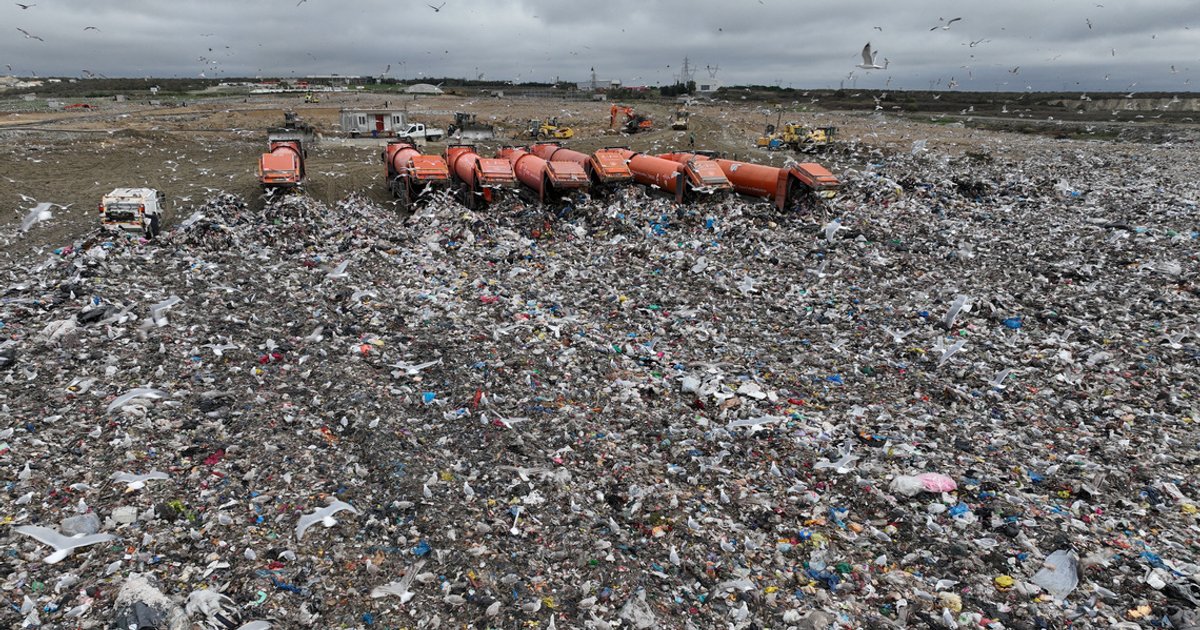
土耳其在COP31上聚焦甲烷的努力,受到卫星显示其伊斯坦布尔以西垃圾填埋场存在重大泄漏的挑战,该垃圾填埋场是世界上记录在案的最大排放源之一。
Turkey’s COP31 focus on methane is challenged by satellites showing major leaks from its landfill west of Istanbul, one of the world’s largest recorded emitters.
加州大学洛杉矶分校(UCLA)的数据发现,土耳其10个排放量最高的废弃物处理场有70个羽流,而专家表示,削减排放需要更多有机废弃物分流和更好的气体捕获。
UCLA data found 70 plumes at Turkey’s 10 highest-emitting waste sites, while experts said cutting emissions needs more organic waste diversion and better gas capture.
土耳其表示,其“零废弃物”倡议正在改善回收,但塞门附近的居民仍面临强烈气味,且土耳其尚未加入全球甲烷承诺。
Turkey says its Zero Waste Initiative is improving recycling, but residents near Seymen still face strong smells, and Turkey has not joined the Global Methane Pledge.
AI生成 塞门,土耳其——在伊斯坦布尔以西的乡村,卡车排队倾倒来自1600万人口城市的混合家庭垃圾,堆积成一片广阔的腐烂垃圾场,填埋气被捕获并在附近的发电厂发电。
AI generated SEYMEN, Turkey – In the countryside west of Istanbul, trucks line up to empty mixed household waste from the city of 16 million people onto a vast landscape of decomposing rubbish, where landfill gas is captured to generate electricity at a nearby plant.
但在盘旋在垃圾上空的海鸥远上方,卫星检测到该发电厂未能捕获的东西:甲烷以使其位列世界上最大的已记录垃圾填埋场排放源之一的速率逸出。
But far above the seagulls circling the waste, satellites detect what the plant has failed to capture: methane escaping at a rate that ranks it among the world’s largest recorded landfill emitters.
土耳其将于11月9日至20日在安塔利亚举办COP31,并将甲烷减排列为气候峰会的优先事项。
Turkey hosts COP31 in Antalya from Nov 9 to Nov 20 and has made methane reduction a priority for the climate summit.
甲烷是二氧化碳(CO2)之后气候变化的最大成因,在大气中的头20年,其温室效应是CO2的80多倍。因此,大幅削减甲烷排放可能相对迅速地减缓全球变暖。
Methane is the biggest cause of climate change after carbon dioxide (CO2) and is over 80 times more potent than CO2 in its first 20 years in the air. Sharp cuts could therefore slow warming relatively quickly.
土耳其的废弃物部门既体现了实现快速削减的潜力,也体现了其难度。
Turkey’s waste sector illustrates both the potential and the difficulty of achieving rapid cuts.
根据非营利排放追踪机构Climate TRACE的数据,土耳其是固体废弃物甲烷排放量世界第五大国,仅次于中国、美国、俄罗斯和巴西。
The country is the world’s fifth-biggest emitter of methane from solid waste, behind China, the US, Russia and Brazil, according to data from non-profit emissions tracker Climate TRACE.
加州大学洛杉矶分校(UCLA)研究人员分析的卫星观测数据发现,土耳其10个排放量最高的废弃物处理场有70个羽流,平均检测排放率从每小时841公斤到7.4吨不等。其中三个位于伊斯坦布尔周边,其他则位于安卡拉、伊兹密尔和安塔利亚附近,COP31正在安塔利亚举行。
Satellite observations analysed by researchers at the University of California, Los Angeles (UCLA) identified 70 plumes from Turkey’s 10 highest-emitting waste sites, where average detected rates ranged from 841kg to 7.4 tonnes an hour. Three were around Istanbul, while others were near Ankara, Izmir and Antalya, where COP31 is being held.
土耳其较大的城市垃圾填埋场普遍存在气体捕集,但仅靠收集系统并不能防止大量排放。“巨大的潜力”碳映射(Carbon Mapper)负责排放监测的废弃物部门负责人蒂亚·斯卡佩利(Tia Scarpelli)表示,削减填埋场甲烷需要在有机物进入垃圾场之前将其转移,同时提高捕集率。
Gas capture is widespread at Turkey’s larger municipal landfills, indicating that collection systems alone do not prevent large releases. ‘Huge potential’
斯卡佩利指出,由于土耳其检测到的最大排放集中在少数几个场址,针对这些填埋场进行治理可能带来不成比例的收益。
Tia Scarpelli, waste sector lead for emissions-monitoring non-profit Carbon Mapper, said cutting landfill methane requires diverting organic material before it reaches dumps while improving rates of capture.
“只要针对最大的填埋场就能显著降低全国排放,这其中蕴含巨大的减排潜力,”她说,并建议采用更合理的收集系统以及修复破裂的覆盖层或故障的气井。
Because Turkey’s largest detected emissions were concentrated at a few sites, addressing those landfills could deliver disproportionate gains, Scarpelli said.
加州大学洛杉矶分校(UCLA)的分析使用了2025年1月至2026年5月末期间塔纳格尔-1(Tanager-1)卫星公开的碳映射数据。
“There is this huge mitigation potential by just addressing the largest landfills to reduce their national emissions,” she said, suggesting better-designed collection systems and repairs to cracked covers or faulty gas wells.
数据显示,伊斯坦布尔西部塞伊门(Seymen)附近的填埋场平均检测排放约为每小时7.4吨,略低于2025年全球排放最高的填埋场。斯卡佩利说:“最突出的是它的排放量之大以及持续性之强。”
The UCLA analysis used public Carbon Mapper data from the Tanager-1 satellite between January 2025 and end-May 2026. It showed an average detected rate of about 7.4 tonnes an hour from the landfill west of Istanbul near Seymen – just below the highest-emitting landfill on a global list from 2025.
针对置评请求,土耳其环境部表示,该数据并非连续测量,无法用于衡量塞伊门填埋场的年度排放。
“What stands out is how big its emissions are and how persistently large they are,” said Scarpelli.
该部称,土耳其的零废弃倡议(Zero Waste Initiative)是一项政府推动回收的计划,旨在减少进入填埋场的废弃物,从而降低甲烷排放,并补充称2025年全国废弃物的“回收率”已从2017年的13%上升至37.53%。
In response to a request for comment, Turkey’s Environment Ministry said the data was not from continuous measurements and could not be used to measure annual emissions at the Seymen landfill.
在塞伊门填埋场,市政运营商ISTAC收集因埋藏有机物分解产生的气体,而一家能源公司则燃烧该气体用于发电,发电厂于2020年投入运营。
It said Turkey’s Zero Waste Initiative, a government scheme to promote recycling, aims to reduce waste going to landfills, thereby lowering methane emissions, adding that the national “recovery rate” for waste had risen to 37.53% in 2025 from 13% in 2017.
据能源新闻网站《能源日报》(Enerji Günlüğü)2025年的报告,该设施每月产电约22,000兆瓦时。
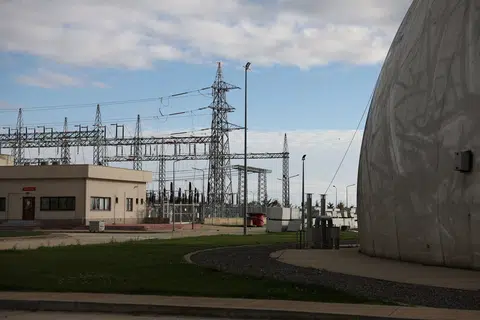
At the Seymen landfill, municipal operator ISTAC collects gas produced as buried organic material decomposes, while an energy company burns the gas to generate electricity at a plant opened in 2020.
土耳其环境部表示,ISTAC垃圾填埋场通过高效收集甲烷用于发电,在经济上获得了收益。
The facility produces about 22,000 megawatt-hours of electricity a month, according to a 2025 report by energy news website Enerji Gunlugu.
ISTAC官员艾森·埃尔丁克莱尔对卫星观测数据能否代表该填埋场的排放量提出质疑,称其排放量通常在每小时4至6吨之间,而某一天卫星读数达到每小时12吨,从而拉高了平均值。
ISTAC benefits economically from efficient methane capture to produce electricity, the Environment Ministry said.
ISTAC负责人法提赫·乌古尔表示,在进行那次测量的当天,该填埋场约有30公顷的区域未加覆盖,因为当时正在对甲烷收集管道进行施工,此外低气压也导致甲烷浓度升高。
ISTAC official Aysen Erdincler disputed whether the satellite observations were representative of the landfill’s emissions, saying they typically ranged between 4 and 6 tonnes per hour, while a satellite reading of 12 tonnes per hour on one day had raised the average.
据ISTAC称,塞伊曼垃圾场每天接收约8500吨生活垃圾,而伊斯坦布尔全市日均垃圾总量约为2万吨。研究人员尚不清楚该系统能收集该填埋场多少甲烷,但埃尔丁克莱尔表示,该场地的甲烷泄漏率通常在25%左右。
ISTAC head Fatih Ugur said about 30ha of the landfill had been left uncovered on the day of that measurement while work was carried out on methane-collection pipes, and that low atmospheric pressure had also contributed to a higher concentration of methane. The Seymen site takes some 8,500 tonnes of household waste daily, from Istanbul’s average total of 20,000 tonnes, according to ISTAC.
土耳其未加入甲烷承诺。根据世界银行基于欧盟委员会EDGAR排放数据库的数据,截至2024年的十年间,土耳其垃圾产生的甲烷排放量上升了近25%,而同期全球增幅为6.5%。
It is unclear to researchers how much of the landfill’s methane the system captures, but Erdincler said methane leaks at the site were usually around 25%. Turkey absent from methane pledge Methane emissions from waste in Turkey rose nearly 25% in the decade to 2024, compared with a global rise of 6.5% over the same period, according to World Bank data based on the European Commission’s EDGAR emissions database.
自2020年以来,土耳其的垃圾排放量一直维持在每年约2100万吨二氧化碳当量左右。
Turkey’s waste emissions have remained around 21 million tonnes of CO2 equivalent annually since 2020.
2021年,全球甲烷承诺(GMP)在COP26上启动,目标是到2030年将甲烷排放量在2020年水平上集体削减30%,随后30多个国家表态支持各自的国家目标。土耳其未被列入该承诺的参与国名单。
In 2021, the Global Methane Pledge (GMP) was launched at COP26, seeking a collective 30% cut in methane emissions from 2020 levels by 2030, with more than 30 countries later backing national targets. Turkey is not listed among the pledge’s participants.
总部位于安卡拉的D84是一家非营利政策和媒体平台,其首席气候政策研究员塞利姆·耶尔德勒姆表示,土耳其的垃圾处理水平比贫困国家更发达,但在管理效率、回收和价值回收方面不及欧洲大部分地区。
Selim Yildirim, chief climate policy researcher at Ankara-based D84, a non-profit policy and media platform, said Turkey had more developed waste disposal than poorer countries but less effective management, recycling and value recovery than much of Europe.
他说,土耳其仍有可能在COP31期间加入全球甲烷承诺,但这并不能保证取得实际成果。
Turkey could still join the GMP during COP31, he said, but that would not guarantee results.
他说:“问题在于你能否有效地将其转化为行动并加以落实。”他还表示,需要监管来推动运营方捕集并再利用甲烷。
“The issue is whether you can effectively turn it into action and implement it,” he said, adding that regulation was needed to push operators to capture and reuse methane. In Seymen, about 5km from the landfill, residents have another concern – the smell.
在距离垃圾填埋场约5公里的塞伊门,居民还有另一个担忧——气味。甲烷本身无味,但正在分解的有机垃圾还会释放出刺鼻的化合物。
Methane itself is odourless, but the decomposing organic waste can also release pungent compounds. In summer, it enters through windows left open against the heat, said Soner Duz, a 46-year-old barber.
46岁的理发师索内尔·杜兹说,夏天,人们为了避暑而敞开的窗户会让气味飘进屋内。
“Around four or five in the morning, the smell suddenly comes,” he said.
“大约凌晨四五点,气味突然就来了,”他说,“会把你熏醒。”路透社
“It wakes you up.”REUTERS