土耳其需要约3000亿美元的投资,才能实现其转型能源体系和降低温室气体排放的目标。
Turkey will need about $300 billion of investment to meet its targets on transforming its energy system and lowering greenhouse gas emissions.
该国设定了到2053年实现净零排放的目标,并计划到2040年将风能和太阳能的总装机容量扩大至175吉瓦,此外还将投资能源存储和输电基础设施。
The nation has set a target of reaching net zero emissions by 2053 and plans to expand its combined wind and solar capacity to 175 gigawatts by 2040, in addition to making investments in energy storage and transmission infrastructure.
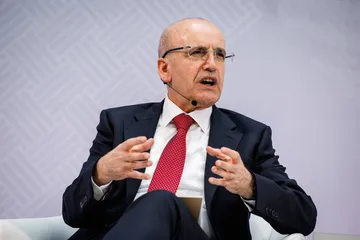
“挑战在于,你能否生产出廉价、清洁的能源,从而实现工业脱碳?什么是可行的,需要多少资金?我们将如何支付?”财政部长梅赫梅特·西姆塞克周三在安塔利亚举行的全球金融峰会上表示,该峰会是在COP31的边会上举行的。
“The challenge is can you produce cheap, clean energy so that you can decarbonize the industry? What is doable, how much money is needed? How are we going to pay for it,” Treasury and Finance Minister Mehmet Simsek said Wednesday at the Global Finance Summit in Antalya, held on the sidelines of COP31.
他说,真正的考验在于找到实现这些雄心所需的资源,并在维持经济增长的同时削减排放。仅靠公共资源是不够的,因此从世界银行集团和欧洲复兴开发银行等多边开发银行获得融资至关重要,西姆塞克表示。
A real test is finding the resources needed to deliver those ambitions, and to balance the challenges of sustaining economic growth while also cutting emissions, he said. Public resources alone won’t be enough, making it critical to secure financing from multilateral development banks such as the World Bank Group and the European Bank for Reconstruction and Development, Simsek said.
“我们有充足的财政空间,但我们认为公共资金不足以实现这些雄心,”他说。
“We’ve got plenty of fiscal space, but we don’t think public money will be enough for these ambitions,” he said.
转向可再生能源对于解决对进口化石燃料的依赖至关重要,这种依赖给该国的经常账户赤字带来压力。能源采购占该国经常账户赤字的很大一部分,土耳其在过去十年中在进口石油和天然气上花费了约6000亿美元,他说。
Shifting to renewable energy is vital to address dependence on imported fossil fuels, which weigh on the country’s current-account deficit. Energy purchases account for a large share of the country’s current-account deficit, and Turkey has spent about $600 billion importing oil and natural gas over the past decade, he said.