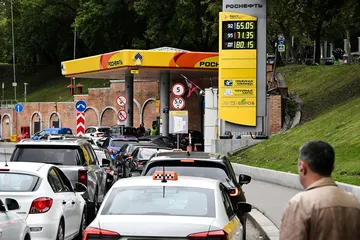
俄罗斯经济正在失去动力,乌克兰袭击使工业设施瘫痪、扰乱物流并加剧通胀压力。
Russia’s economy is losing steam as Ukrainian attacks knock out industrial facilities, disrupt logistics and add to inflationary pressures.
据彭博社调查的经济学家中位数估计,第三季度国内生产总值(GDP)同比可能增长0.9%,此前第二季度扩张1.3%。这种放缓符合央行早前的警告,即无人机袭击正在侵蚀多个行业的生产能力。
Gross domestic product likely grew 0.9% in the third quarter from a year earlier, following a 1.3% expansion in the previous three months, according to the median estimate of economists surveyed by Bloomberg. The slowdown is in line with earlier central bank warnings that drone attacks were eroding production capacity across several industries.
这场已进入第五年的乌克兰战争正给俄罗斯经济带来越来越大的压力,即使总统弗拉基米尔·普京坚持政府必须维持增长。乌克兰针对炼油厂、物流枢纽和数据中心的袭击波及俄罗斯腹地更深处,导致燃料短缺和其他通胀压力,限制了央行降息的空间。随着预算赤字扩大,政府今年再次大幅增加国防开支,扭转了最初压缩军费的计划。
The war in Ukraine that’s now well into its fifth year is putting deepening strains on Russia’s economy, even as President Vladimir Putin insists the government must maintain growth. Ukrainian strikes targeting oil refineries, logistics hubs and data centers are reaching deeper into Russia, leading to fuel shortages and other inflation pressures that have limited the central bank’s room to cut interest rates. The government has again sharply increased defense spending this year, reversing initial plans to rein it in as the budget deficit widens.
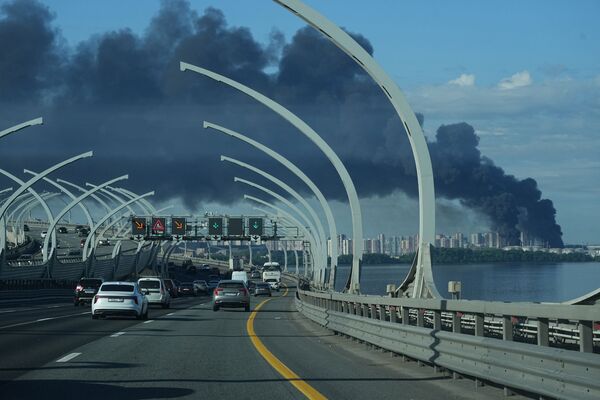
联邦国家统计局数据显示,炼油厂停工导致第三季度炼油产出同比下降18%,为2020年以来可比季度数据中的最大跌幅。燃料产量下降加深了采矿业的收缩,并推动批发贸易转入负值区间。袭击还损坏了装货码头和港口基础设施,拖累出口。
Shutdowns at oil refineries drove an 18% year-on-year decline in refining output in the third quarter, the steepest drop in comparable quarterly figures going back to 2020, according to data from the Federal Statistics Service. Lower fuel production deepened a contraction in mining while pushing wholesale trade into negative territory, the data show. Strikes have also damaged loading terminals and port infrastructure, weighing on exports.
牛津经济研究院的塔季扬娜·奥尔洛娃表示:“我还想强调亚速海和黑海流域战争升级对增长的影响。这场新危机主要导致了经由黑海出口的原油量下降,而这部分出口不受炼厂袭击影响。”奥尔洛娃估计,原油和成品油出口降低使第三季度出口总额同比增速减少约3.75个百分点,并将GDP增速降低约0.7个百分点。
“I also want to emphasize here the role of the war escalation in the Azov and Black Sea basin on growth,” said Tatiana Orlova of Oxford Economics. “This new crisis is largely responsible for the drop in the volume of crude exported via the Black Sea which is not affected by the refinery strikes.”
除军工生产外,消费需求仍是唯一增长来源,但也已大幅放缓至第三季度同比4.2%,低于前三个月的7.2%。与此同时,物价上涨,工资增速放缓,企业继续面临成本上升和高借贷利率。一系列消费品行业的产出也出现收缩。
Lower crude and oil-product exports cut about 3.75 percentage points from year-on-year growth in total exports in the third quarter and reduced GDP growth by around 0.7 percentage point, Orlova estimates. Outside military production, consumer demand remains the only source of growth, but it’s also slowed sharply to 4.2% year-on-year in the third quarter, down from 7.2% in the previous three months. At the same time, prices have risen, wage growth has eased, and businesses continue to face rising costs and high borrowing rates.
俄罗斯最大贷款机构、俄罗斯联邦储蓄银行首席财务官塔拉斯·斯克沃尔佐夫10月在投资者电话会议上表示,越来越多的行业“表现不太好”。该行认为企业贷款质量是一个日益令人担忧的问题。
Output across a range of consumer-goods industries also contracted. A growing number of industries are “not doing particularly well,” Sberbank Chief Financial Officer Taras Skvortsov said on an investor call in October.
他说:“一段时期的高利率和高实际利率的负面影响持续累积;这正给客户带来越来越大的压力。”“所有这些都加剧了我们的悲观情绪。”第三季度产能的损失将俄罗斯经济推入了央行所谓的“正产出缺口”,即供给短于需求。
Russia’s biggest lender sees corporate loan quality as a growing concern. “The negative impact of a period of high rates and high real interest rates continues to accumulate; it is putting increasing pressure on clients” he said. “All of this adds to our pessimism.”
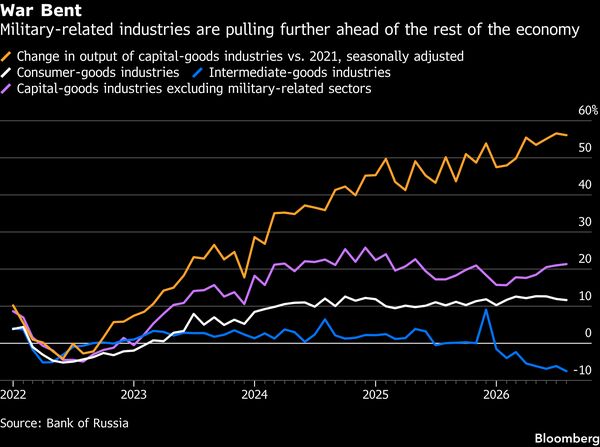
制造业继续扩张,由迎合国家需求、实现两位数增长的行业引领,军费开支今年将达到创纪录水平。与战争相关的行业与经济其他部门之间的差距持续扩大。
The loss of production capacity in the third quarter pushed Russia’s economy into what the central bank calls a “positive output gap,” in which supply falls short of demand. Manufacturing continues to expand, led by double-digit growth in industries catering to state demand with military spending set to reach a record this year.
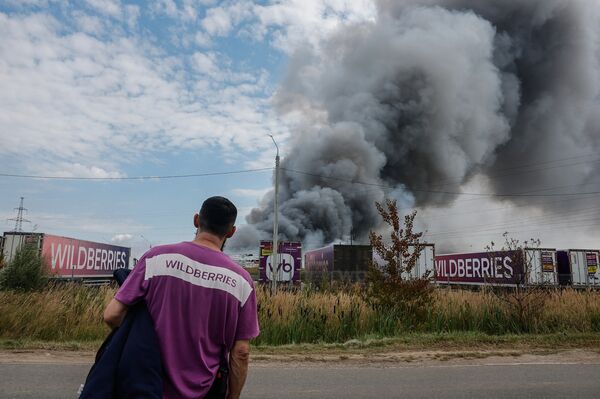
根据俄罗斯工业家和企业家联盟的一项调查,疲软的需求、流动资金短缺以及交易对手逾期付款是俄罗斯企业第三季度的主要制约因素。
The gap between war-related industries and the rest of the economy has continued to widen.
融资渠道受限和债务负担上升位列次要紧迫担忧,各被约20%的受访者提及——根据报告,后者的比例创历史新高。
Weak demand, a shortage of working capital and late payments by counterparties were Russian companies’ main constraints in the third quarter, according to a survey by the Russian Union of Industrialists and Entrepreneurs.
俄罗斯央行现在预计,货币政策将维持适度紧缩更长时间,随着其应对无人机袭击的通胀影响,降息空间变小。
Limited access to borrowing and a rising debt burden ranked as the next most pressing concerns, with each cited by about 20% of respondents — the highest share on record for the latter, according to the report.
燃油价格上涨已推高一系列商品的成本,使通胀进一步偏离央行4%的目标,俄罗斯将连续第七年未能实现该目标。
The Bank of Russia now expects monetary policy to remain moderately tight for longer, with less room to ease as it grapples with the inflationary impact of the drone attacks.
彭博社调查的中位数估计显示,年通胀率预计将从上月的6.35%加速至10月份的7.07%。
Higher fuel prices have raised the cost of a range of goods, pushing inflation further from the central bank’s 4% target, which Russia is set to miss for the seventh consecutive year.
彭博经济学的观点……“在乌克兰对俄罗斯发动深度打击之前的预测总体上得以实现。但 headline 的韧性掩盖了供应侧的疲弱。鉴于生产能力的损失,即使是微弱的增长仍可能高于潜在水平。这正在推动通胀,并且我们认为,这可能导致降息在较长时期内保持暂停状态。”——埃卡特琳娜·弗拉索娃,欧中欧及俄罗斯经济学家奥尔洛娃表示,限制性货币政策以及未来几年削减预算赤字的计划与政府的增长目标不相容。
Annual inflation is expected to accelerate to 7.07% in October from 6.35% a month earlier, according to the median estimate in a Bloomberg survey. What Bloomberg Economics Says....“Growth broadly tracked forecasts made before Ukraine intensified deep strikes into Russia. But the headline resilience masks a weaker supply side. Given the loss of production capacity, even meager growth may still be running above potential. That’s fueling inflation and, in our view, is likely to keep rate cuts on hold for an extended period.”— Ekaterina Vlasova, CEE & Russia Economist Restrictive monetary policy and plans to rein in the budget deficit over the coming years are incompatible with the government’s growth targets, according to Orlova.
她说,官方对明年实现1.4%增长以及2028年实现1.9%增长的预测“过于乐观”。
Official forecasts for 1.4% growth next year and 1.9% in 2028 are “overoptimistic,” she said.