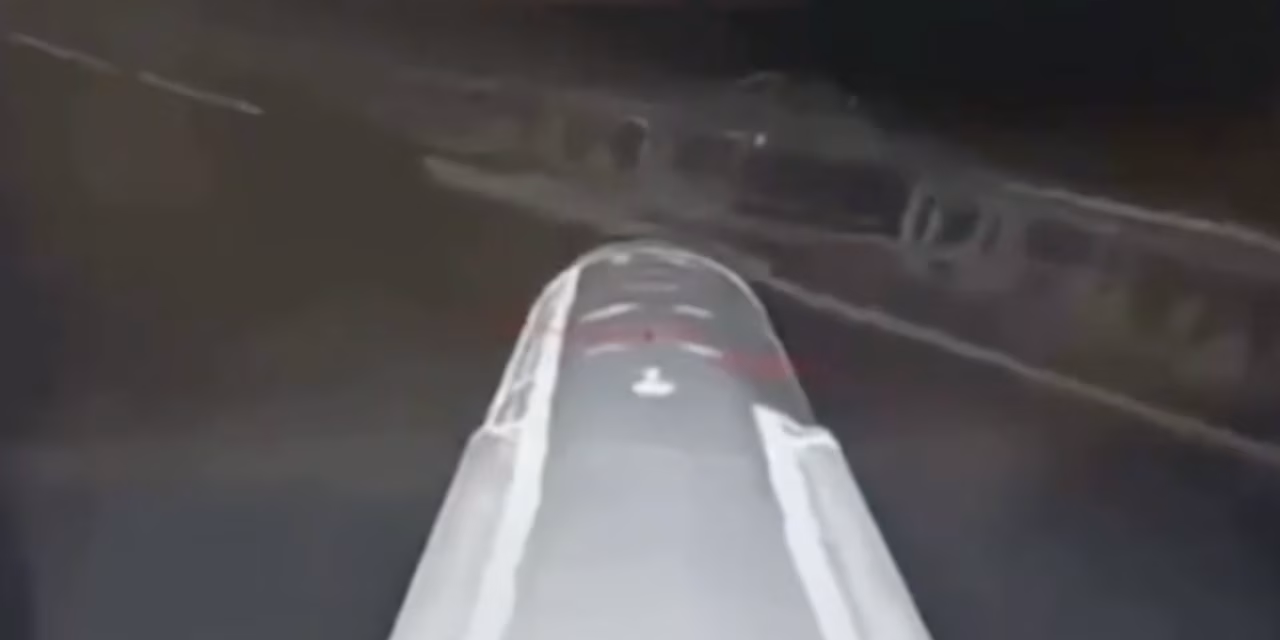
[视频] UKRBRIDGE 乌克兰摧毁连接被占领的克里米亚与俄罗斯的大桥的行动,始于无人机和导弹撞击该结构、导致其在为期两晚的行动中部分坍塌约一个月前。
[video] UKRBRIDGE The Ukrainian operation to destroy the bridge between occupied Crimea and Russia began around a month before drones and missiles slammed into the structure, causing its partial collapse in a two-night campaign this week.
这座承载铁路和四车道公路的大桥,是俄罗斯2014年吞并克里米亚半岛的象征,也是重要的俄军补给线。如今它成为乌克兰远程打击能力提升的象征。
The bridge, which supports a railroad and a four-lane roadway, is the symbol of Russia’s annexation of the Crimean Peninsula in 2014, and is also a crucial Russian supply link. Now it is a symbol of Ukraine’s improving long-range strike capabilities.
据乌克兰总统泽连斯基和基辅其他官员称,在数周内,乌克兰军方使用一系列无人机和导弹摧毁了该地区的俄军防空系统。
Over several weeks, Ukraine’s military used an array of drones and missiles to take out Russian air defenses in the area, according to Ukrainian President Volodymyr Zelensky and other officials in Kyiv.
“这可能是现代历史上最复杂的打击行动之一,”挪威国防研究所导弹专家法比安·霍夫曼说。
“This was probably one of the most complex strike operations in modern history,” said Fabian Hoffmann, a missile expert at the Norwegian Institute for Defense Studies in Oslo.
到周一,针对大桥的直接攻击已做好准备。当天上午首波无人机袭击后大桥仍屹立不倒,下午桥面公路交通已恢复。然而,横跨桥下航道的两座白色拱门之一似乎出现了倾斜。
By Monday, the ground was prepared for the direct attack on the bridge. That morning’s first wave of drones left the structure standing, and road traffic over the bridge had resumed by the afternoon. However, one of the two white arches spanning the shipping channel that passes under the bridge appeared to be listing.
主要攻击始于周一夜间。一群无人机和导弹以俄军防空和电子战系统为目标。
The main attack began Monday night. A swarm of drones and missiles targeted Russian air-defense and electronic-warfare systems.
乌克兰无人系统部队一名呼号“列昂”的军人说,无人机是从乌克兰东部和南部各地发射袭击大桥的。
Drones were launched at the bridge from all over eastern and southern Ukraine, said a serviceman with Ukraine’s Unmanned Systems Forces, known by his call sign Leon.
“我们计算了发射地点距离300英里(约480公里)处的无人机将在何时何分抵达,”列昂说,“使它们在同一分钟、同一时刻同时抵达大桥上空,导致防空系统无法击落所有无人机。”俄军防空系统被压制后,乌克兰以携带更重弹头的武器攻击大桥,包括乌克兰自制的“海王星”和“火烈鸟”导弹,以及荷兰“鲁塔”导弹。
“We calculated at what hour and minute the drones launched 300 miles away would arrive,” Leon said. “So that they arrived over the bridge simultaneously, at exactly the same minute, and air defenses cannot shoot down all the drones.”Once Russian air defenses had been overwhelmed, Ukraine targeted the bridge, using weapons with heavier payloads, including Ukrainian-made Neptune and Flamingo missiles and Dutch Ruta missiles.
据总部位于荷兰的生产商Destinus称,“鲁塔”导弹于周一晚间击中了大桥的上部承重结构。周二又有七枚“鲁塔”导弹击中了大桥。
Rutas struck the bridge’s upper load-bearing structure late on Monday night, according to Destinus, the Netherlands-based company that produces them. Seven more Rutas hit the bridge Tuesday.
泽连斯基表示,“鲁塔”和“海王星”导弹击中了大桥的铁路段,而乌克兰自制的喷气动力“帕利亚尼察”无人机击中了公路段。一段路面连同其拱架坠入海中。
Zelensky said Ruta and Neptune missiles struck the railroad section of the bridge, while Ukrainian-made, jet-powered Palianytsia drones hit the road section. A portion of the roadway, along with its arch, collapsed into the sea.
自袭击发生以来,大桥上的所有公路交通已全部中断,尽管仍有少量列车继续通行。
All road traffic across the bridge has been halted since the strike, although a limited number of trains have continued to cross.
此次袭击是对乌克兰在不依赖SpaceX“星链”和“星盾”服务的情况下实施大型行动能力的一次考验,这些服务在最近几周变得不可靠,无人机在战区飞行速度若超过每小时100英里就会失去连接。
The attack was a test of Ukraine’s ability to conduct major operations without relying on SpaceX’s Starlink and Starshield services, which have become unreliable in recent weeks, with drones losing connectivity in combat zones if they fly faster than 100 miles an hour.
取而代之的是,乌克兰采用了其他方法来制导其无人机和巡航导弹——包括利用无人机向攻击弹药中继通信。这使得武器能够在不需要卫星链路的情况下飞越更长距离。
Instead, Ukraine resorted to other methods for steering its drones and cruise missiles—including by using drones to relay communications to attack munitions. That allowed the weapons to travel over longer distances without needing satellite links.
部分导弹还使用了较老的导航方法,包括预设坐标。“鲁塔”导弹采用地形识别技术,利用摄像头或红外成像依据预载地图飞行。“海王星”导弹则使用传感器和陀螺仪等内部仪器来追踪其位置、方向和速度——这一技术可追溯至二战时期首批弹道导弹——尽管也保留了卫星导航作为备用。
Some missiles also used older navigation methods, including pre-programmed coordinates. The Ruta missiles use terrain recognition, which uses cameras or infrared imaging to follow a preloaded map. The Neptune missiles use internal instruments such as sensors and gyroscopes to track its position, direction and speed—a method that dates back to the first ballistic missiles in World War II—albeit with satellite navigation as a backup.