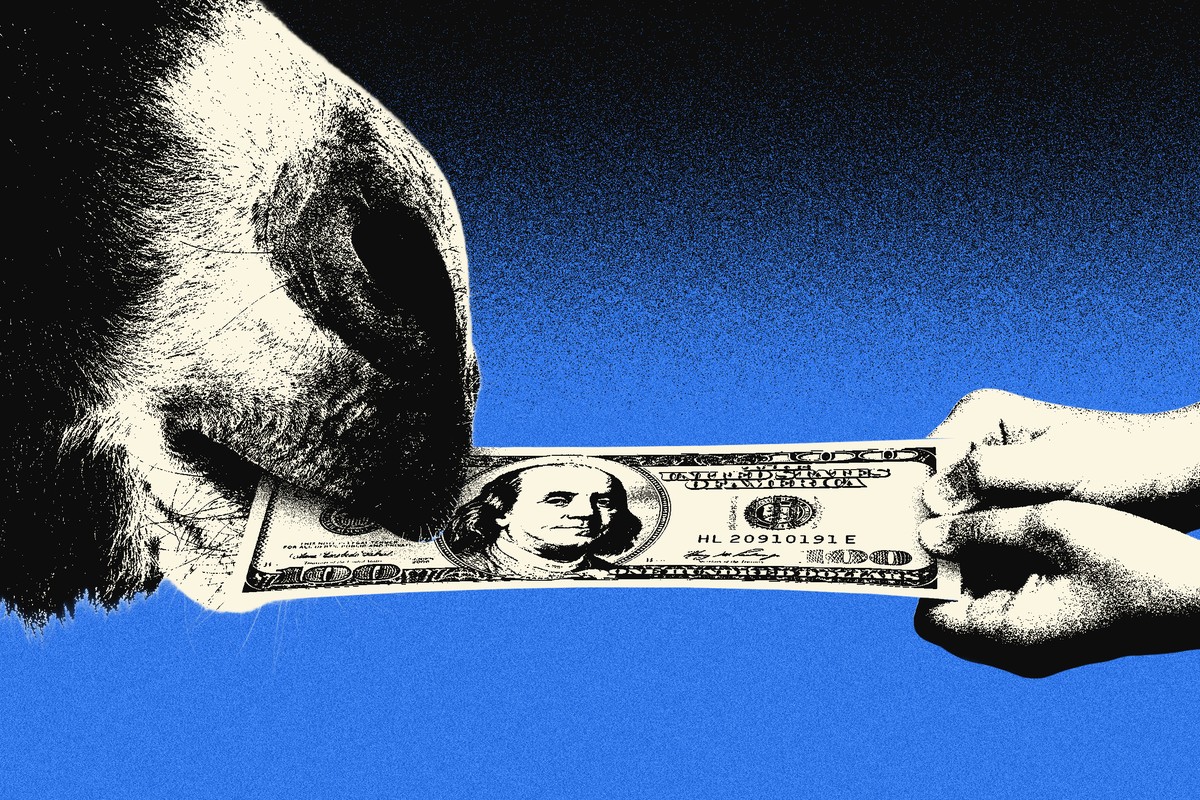
发布时间:2026-11-18T22:35:33Z 本月,厌倦了、压力大的美国人走向投票箱,大幅向左转,支持承诺恢复数十亿美元联邦支出和数十亿美元联邦税收的政党。民主党在蓝州获胜。他们在紫州获胜,如佐治亚州、密歇根州、缅因州和北卡罗来纳州。他们在特朗普铁票仓般的红州内布拉斯加州、印第安纳州、肯塔基州、得克萨斯州、爱荷华州和蒙大拿州翻转了席位。南卡罗来纳州选民自1998年以来首次送一名民主党人进入参议院;密西西比州则是自1982年以来首次。
Published: 2026-11-18T22:35:33Z This month, fed-up, stressed-out Americans headed to the ballot box and tacked hard to the left, supporting the party that is promising to restore billions of dollars in federal spending and billions of dollars in federal tax revenue. Democrats won in blue states. They won in purple states, such as Georgia, Michigan, Maine, and North Carolina. They flipped seats in Trump-hat-red Nebraska, Indiana, Kentucky, Texas, Iowa, and Montana. Voters in South Carolina sent a Democrat to the Senate for the first time since 1998; in Mississippi, since 1982.
与此同时,厌倦了、压力大的美国人走向投票箱,向右转,支持一系列限制政府支出的措施。一些增收倡议获胜;例如,科罗拉多州选民设立了累进州所得税。但在佛罗里达州,选民掏空了财产税体系。在路易斯安那州,他们让老年人免于纳税。在亚利桑那州,他们限制了对食品杂货的征税,并禁止对行驶里程征税。在进步的加利福尼亚州,他们否决了一项针对亿万富翁的一次性财富税,并使该州未来征收此类税更加困难。
At the same time, fed-up, stressed-out Americans headed to the ballot box and curved to the right, supporting a bevy of measures to restrain government spending. Some revenue-raising initiatives won; Coloradans created a graduated state income tax, for instance. But in Florida, voters gutted the property-tax system. In Louisiana, they sheltered seniors from taxation. In Arizona, they limited levies on groceries and banned them on vehicle-miles traveled. In progressive California, they turned down a onetime wealth tax on billionaires and made it harder for the state to impose one in the future.
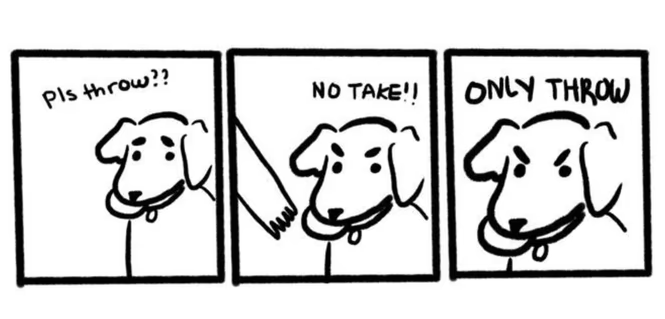
这场中期选举大胜是选民再次拒绝现任者、反抗建制派的例证。这也是美国选民因该国残酷的生活成本危机而愤怒的又一例证。这还是我所认为的“只扔不捡”政治的胜利,这指的是一个早期的Tumblr梗,而该梗本身源于养狗人群的共同经历:菲多要求主人扔球,却不肯松口。这多少就是当今的政治。选民想要大政府预算和小政府税收。政客们表现得好像能同时给他们这两样东西。
The midterm landslide was another instance of the electorate rejecting incumbents and revolting against the establishment. It was another example of American voters raging against the country’s brutal cost-of-living crisis. It was also a triumph of what I have come to think of as “no take, only throw” politics, a reference to an old Tumblr meme, itself a reference to a common experience among dog people: Fido demands that his human servant throw the ball, but won’t drop it. That’s politics today, more or less. Voters want big-government budgets and small-government taxes. Politicians act like they can give it to them.
但除非你口袋里装满了网球,否则你不能只投不收,而美国财政部目前并没有。美国人可以把税法搞得像瑞士奶酪一样漏洞百出,让中产和中上层家庭的税负保持在低位。他们可以花费数万亿美元推出各项举措,增强工薪家庭的消费能力。但他们无法在同时做到这两件事的同时,抑制住在政治和社会层面都具有破坏性的通胀。
But you can’t throw without taking unless you have a pocket full of tennis balls, which the United States Treasury, at the moment, does not. Americans can turn the tax code into Swiss cheese and keep levies on middle-class and upper-middle-class families low. They can spend trillions on initiatives to bolster the spending power of working households. They cannot do both of those things while keeping politically and societally destabilizing inflation in check.
自新冠疫情爆发以来,通胀就未曾得到控制。物价涨幅几乎是美联储目标的两倍,许多基本商品和服务的成本涨得更快。汽油价格从1月到5月飙升了近60%。雇主资助的保险费今年跳涨5%,预计明年还将再涨8%至11%。(市场计划的保费到2027年将涨幅高达13%。)爱达荷州电价同比上涨11%,缅因州涨14%,夏威夷州涨23%。全美房屋保险费上涨9%。即使是咖啡,如果你买磨好的咖啡豆在家冲泡,价格也比两年前贵41%。
Inflation hasn’t been in check since the arrival of the coronavirus pandemic. Prices are increasing nearly twice as fast as the Federal Reserve wants them to, and the costs of many essential goods and services are spiking even faster. Gas prices shot up nearly 60 percent from January to May. Employer-sponsored insurance premiums jumped 5 percent this year and are expected to increase another 8 percent to 11 percent next year. (The premiums on marketplace plans will rise as much as 13 percent come 2027.) The price of electricity has risen 11 percent year over year in Idaho, 14 percent in Maine, and 23 percent in Hawaii. The price of home insurance is up 9 percent around the country. Even coffee costs 41 percent more than it did two years ago, if you buy ground beans to brew at home.
这些孤立的涨幅累积叠加,榨干了家庭财力。如果物价自唐纳德·特朗普连任以来一直按央行目标速度上涨,典型中产家庭的银行账户里现在将多出1800美元——可用于购买圣诞礼物或投资养老金。如果自乔·拜登当选以来通胀一直受到抑制,同一个家庭在日常开销上本可省下3.6万美元以上。那足以买一辆二手车,也是典型公寓首付的一大笔款项。
These isolated bumps add up, compound, and bleed families dry. If prices had increased at the central bank’s target rate since Donald Trump was reelected, the typical middle-class family would have $1,800 more in its bank account than it does right now—cash to spend on Christmas presents or invest in a retirement fund. If inflation had been subdued since Joe Biden’s election, that same family would have saved more than $36,000 on everyday expenses. That’s enough to buy a used car. It’s a big chunk of a down payment on a typical apartment.
新冠疫情后的这轮通胀本身并非导致该国生活成本危机的唯一原因,这场危机已酝酿数十年。土地使用限制扼杀了住房供应,推高了人口稠密城市和偏远城镇的房价。补贴过多、缺乏成本控制以及医疗市场垄断,刺激保险公司大幅抬高保费。
The post-COVID bout of inflation is not in and of itself responsible for the country’s cost-of-living crisis, which has been decades in the making. Land-use restrictions have throttled the housing supply, pushing up prices in dense cities and remote towns. A surfeit of subsidies, lack of cost controls, and consolidation in the health-care market has spurred insurers to jack up the price of coverage.
尽管如此,华盛顿不仅未能解决住房短缺、理顺医疗体系,反而推高了整个经济的物价。今年,政府支出比财政收入多出2万亿美元,预算赤字相当于国内生产总值的6.2%。这几乎相当于2012年政府实施的刺激规模,当时正处于大衰退后就业复苏乏力的痛苦时期。那时,国家极度需要赤字支出:失业率高出4个百分点,GDP增速明显更低。
Still, not only has Washington failed to fix the housing shortage and rationalize the health-care system; it has stoked price increases across the whole economy. This year, it is spending $2 trillion more than it is receiving in revenue, a budget deficit equivalent to 6.2 percent of GDP. That’s almost as big a stimulus as the government was running in 2012, during the miserable jobless recovery from the Great Recession. Back then, the country desperately needed the deficit spending: The unemployment rate was four percentage points higher and the GDP growth rate markedly lower.
如今,华盛顿的慷慨解囊推高了物价,迫使利率上升,让富人更富。确实,特朗普的标志性减税法案仅今年就使联邦税收减少4600亿美元,减税红利多流向富裕家庭和富裕企业。(公平地说:他确实通过削减艾滋病毒预防项目资金、取消儿童食品券,吸收了一部分赤字。)此外,特朗普发动了一场愚蠢的贸易战,推高进口商品成本;发动一场愚蠢的反移民战,缩减劳动力池,推高托儿和建筑成本;发动一场愚蠢的实战,推高石油和天然气成本。他还大力推动人工智能建设,推高了借贷成本和公用事业账单。
Now Washington’s largesse is pumping up prices, forcing up interest rates, and making the rich richer. Indeed, Trump’s signature tax bill slashed federal tax revenue by $460 billion this year alone, with much of the relief going to wealthy households and wealthy corporations. (I should be fair: He did soak up some of the red ink by defunding HIV-prevention programs and taking food stamps away from kids.) On top of that, Trump has engaged in a foolish trade war, driving up the cost of imported goods. He has engaged in a foolish war on immigration, shrinking the labor pool and increasing the cost of child care and construction. He has engaged in a foolish actual war, pushing up the cost of oil and gas. He has also promoted the AI build-out, which has pumped up borrowing costs and utility bills.
民主党人承诺废除特朗普的政策,特别是他对医疗补助、补充营养援助计划和健康保险补贴的削减,以此重掌大权。这既是出于负担得起的考虑,也是出于道德考量。补充营养援助计划的削减已在亚利桑那州、佛罗里达州、佐治亚州和内华达州等州引发大范围粮食不安全。医疗补助覆盖面的缩减预计将迫使数十家安全网医院关闭,并预计导致5.1万例不必要的死亡。如果民主党重夺白宫,他们想做得更多:普遍托儿服务、处方药价格管制、降低医疗保险资格年龄,甚至可能实现全民医保。
Democrats have regained power promising to undo Trump’s policies, in particular his cuts to Medicaid, SNAP, and health-insurance subsidies. It’s a priority for affordability reasons and moral reasons as well. The SNAP cuts are already stoking widespread food insecurity in Arizona, Florida, Georgia, and Nevada, among other states. The Medicaid-coverage losses are expected to spur dozens of safety-net hospitals to close and are projected to cause 51,000 unnecessary deaths. If Democrats regain the White House, they want to do a lot more: universal child care, prescription-drug-price controls, lowering the Medicare-eligibility age, maybe even Medicare for All.
这些政策伴随着成本:每年恢复医疗补助(Medicaid)需900亿美元,补充营养援助计划(SNAP)需200亿美元,奥巴马医改补贴需350亿美元。为覆盖这些开支,民主党计划废除特朗普针对富裕家庭和企业的减税政策。然而,他们在是否以及如何为未来的新提案买单问题上存在分歧。(将医疗保险(Medicare)参保年龄降至60岁每年将耗资约250亿美元;全民托儿服务,800亿美元;单一支付者医保,2万亿美元,可由私人保险保费的消失抵消。)
These policies come with costs: $90 billion a year for restoring Medicaid, $20 billion for SNAP, $35 billion for the Obamacare subsidies. To cover them, Democrats are planning on reversing Trump’s tax cuts for rich families and corporations. Yet they are torn on whether and how to pay for new proposals going forward. (Lowering the Medicare-eligibility age to 60 would cost something like $25 billion annually; universal child care, $80 billion; single-payer health care, $2 trillion, offset by the evaporation of private-insurance premiums.)
他们在是否将缩减赤字作为一个独立目标的问题上也存在分歧。在接受《华尔街日报》采访时,来自夏威夷州的民主党参议员布赖恩·沙茨(Brian Schatz)反对民主党必须操心预算而共和党却不用的观点:“我不认为我们应该玩这种游戏,我们想要的东西必须有着落,他们想要的东西却可以刷信用卡。”在收入方面,民主党承诺不向年收入低于40万美元的97%美国家庭增税。
They are also torn on whether to make winnowing the deficit a goal unto itself. In an interview with The Wall Street Journal, Brian Schatz, a Democratic senator from Hawaii, objected to the idea that Democrats should have to worry about the budget when Republicans didn’t: “I don’t think we should play this game where the things we want have to be paid for and the things they want can be put on a credit card.”On the revenue side, Democrats have vowed not to raise taxes on the 97 percent of American households earning less than $400,000 a year. (Trump’s tax cuts have made that vow a lot more expensive.)
(特朗普的减税政策让这一承诺的代价大增。)民主党正考虑通过扩大劳动所得税抵免和儿童税抵免,进一步减轻工薪阶层和中等收入家庭的负担。他们还加入了美国公众轰轰烈烈的减税抗议行列,推动为老年人、小费收入者、小时工、警察、公立学校教师和房主提供税收减免。
Democrats are considering further reducing the burden on working-class and middle-income households by expanding the earned-income and child tax credits. They’re also joining in the American public’s rollicking tax revolt, pushing carve-outs for seniors, tipped workers, hourly workers, police officers, public-school teachers, and homeowners.
换句话说,民主党承诺大量“给”,却不要求太多“拿”。这种预算姿态在2012年经济从全球金融危机中艰难复苏时,或在2020年因新冠疫情经济戛然而止时或许行得通。但现在赤字助推了超额通胀,这种做法不太奏效了——选民在2024年让乔·拜登和卡玛拉·哈里斯知道了这一点,本月早些时候又让132位共和党现任议员知晓了这一点。
Democrats are promising a whole lot of throw and not asking for a lot of take, in other words. This kind of budgetary posture would have worked when the economy was limping out of the global financial crisis in 2012, or when it screeched to a halt in 2020 because of COVID. It doesn’t really work now that deficits are contributing to excess inflation—as voters let Joe Biden and Kamala Harris know in 2024, and as they informed 132 Republican incumbents earlier this month.
尽管如此,民主党手中并非完全没有牌可打。结束伊朗战争、放宽移民限制、取消关税,都能在不增加债务的情况下抑制物价上涨甚至降低物价;要求人工智能超大规模运营商自行承担水电和土地费用、对公用事业实施成本控制、继续在高房价社区加快住房建设审批、拆分企业垄断、让华盛顿为美国消费市场谈判处方药价格(顺便说一句,为什么不让政府制定医疗程序和医生诊疗的支付费率呢?),效果也是一样。
Still, Democrats are not totally out of tennis balls. Ending the Iran war, easing immigration restrictions, and eliminating tariffs would blunt price increases or even lower prices without running up the debt, as would requiring the AI hyperscalers to pay for their own water and electricity and land, as would implementing cost controls for utilities, as would continuing to fast-track homebuilding in high-priced communities, as would breaking up corporate monopolies, as would having Washington negotiate prescription-drug prices for the American consumer market. (Heck, why not have it set payment rates for medical procedures and doctor visits too?)
让国税局征收法律规定应缴的税款,能在不损害 97% 人群利益的前提下减少赤字。堵塞漏洞、提高百万富翁和亿万富翁的边际税率,也能达到同样的效果。
Getting the IRS to collect the taxes it is statutorily owed would reduce the deficit without harming the 97 percent. Pulling shut loopholes for and raising marginal tax rates on millionaires and billionaires would do the same.
随着时间的推移,借贷成本会下降,通胀会降温,美国人极其渴望的负担能力危机会得到缓解。到时候,我们或许终于能谈谈“捡球”有多重要了。
In time, borrowing costs would ease, inflation would cool down, and the affordability crisis would let up, as Americans so desperately want. Maybe then we could finally have the conversation about how important drop it is to fetch.