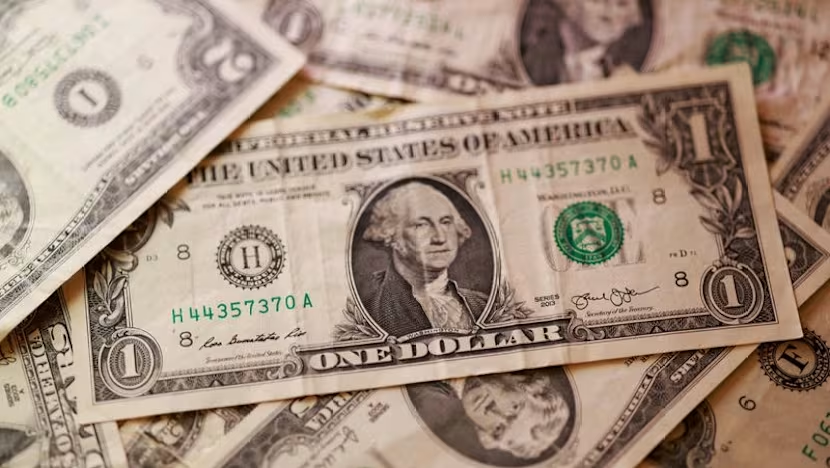
11月19日:美元指数周四小幅下跌,结束了连续七个交易日的涨势,但美联储一名官员的鹰派言论强化了进一步加息的理由,仍为美元提供支撑。
Nov 19 : The US dollar index edged down on Thursday after a seven-session winning streak but remained underpinned by hawkish remarks from a Federal Reserve official that reinforced the case for further rate hikes.
美联储理事克里斯托弗·沃勒呼吁对通胀采取更激进的应对措施,而美联储10月27日至28日会议的纪要显示,政策制定者日益担心可能需要进一步收紧政策。
Fed Governor Christopher Waller called for a more aggressive response to inflation, while minutes of the central bank's October 27 to 28 meeting showed policymakers increasingly concerned that additional tightening might be needed.
美元涨势始于11月10日,当时高于预期的美国通胀数据增强了市场对美联储下月加息的预期。
The dollar rally started on November 10 when hotter-than-expected US inflation data bolstered expectations that the Fed would raise borrowing costs next month.
美元指数本周触及2025年4月2日以来的最高水平。当时美国总统唐纳德·特朗普公布了大规模关税方案,引发美国资产遭到抛售。
The dollar index this week reached its highest level since April 2, 2025, when US President Donald Trump revealed a sweeping tariff package, triggering a selloff in US assets.
美元指数最新下跌0.05%,报103.73,此前曾触及103.97。
It was last down 0.05 per cent at 103.73, after reaching 103.97.
巴克莱分析师表示,财政刺激和强劲的人工智能相关资本支出表明美国经济具有韧性、产出缺口扩大且利率将在更长时间内维持高位,这些因素都支撑美元走强。美元上涨之际,科技股却遭到抛售。
Barclays analysts said fiscal stimulus and strong AI-related capital spending point to a resilient US economy, a wider output gap and higher-for-longer interest rates, all supportive of dollar strength. The dollar's gains have come despite a selloff in technology shares.
德意志银行全球外汇策略主管乔治·萨拉维洛斯在解释近期美元上涨时表示:“首先,鉴于近期言论推动利差扩大,市场也重新定价了更为鹰派的美联储,但美元似乎对这一走势反应过度。”
"First, the market has also repriced a more hawkish Fed given recent commentary pushing the interest rate differential wider, but the dollar seems to be overshooting this move," said George Saravelos, global head of forex strategy at Deutsche Bank, explaining the recent rise.
他补充说:“其次,更有趣的是,尽管股市大跌,外国投资者一直在非常积极地买入美国股票。”
"Second, and more intriguingly, foreigners have been very aggressive buyers of US equities even as the stock market has tumbled," he added.
德意志银行一项追踪100多只境外注册交易所交易基金的指标显示,过去两周外国投资者大举逢低买入美国股票,为今年迄今最大规模的买入潮。
A Deutsche Bank tracker following more than 100 foreign-domiciled exchange-traded funds showed large dip-buying of US stocks by foreigners over the last two weeks, the biggest buying spree so far this year.
这一动向强化了这样一种观点:美元一直受到投资者资金流入美国股市的支撑。
Such a move reinforces the view that the dollar has been supported by investor flows into US equities.
英伟达股价隔夜下跌,尽管这家芯片行业风向标企业的营收和业绩指引均超出预期,但联合创始人黄仁勋上周突然卸任首席执行官一职,此前他承认了婚外情,这带来了不确定性。
Shares in Nvidia fell overnight even after the chip bellwether beat revenue and guidance forecasts, amid uncertainty caused by co-founder Jensen Huang's sudden departure as CEO last week following his admission of extramarital affairs.
避险资金流入提振日元 美元上涨0.25%,至159.75日元,结束了连续四天的下跌。
SAFE-HAVEN FLOWS BOOST THE YEN The dollar was up 0.25 per cent to 159.75 yen, snapping a four-day losing streak.
分析师表示,人工智能相关资产进一步遭抛售,可能通过避险买盘和资金回流支撑日元,其影响对其他货币可能比对美元更为明显。
Analysts said that a further selloff in AI-linked assets could support the yen through safe-haven buying and repatriation flows, with the impact likely to be more pronounced against other currencies than against the dollar.
据巴克莱估计,标普500指数较峰值下跌10%可能推动美元兑日元跌向155,而下跌20%则可能推动其跌向152。
According to Barclays estimates, a 10 per cent decline in the S&P 500 from its peak could push dollar/yen towards 155, while a 20 per cent decline could pressure it towards 152.
欧元兑日元上涨0.34%,至175.43,此前自上周晚些时候以来已下跌约1.5%。
The euro was up 0.34 per cent versus the Japanese currency at 175.43, after falling about 1.5 per cent since late last week.
澳元一度跌至0.6662美元,为1月以来首次。澳大利亚10月就业连续第二个月下降,失业率攀升至五年高位,强化了利率可能已经见顶的看法。
The Aussie dropped as low as $0.6662 for the first time since January. Australia's employment fell for a second straight month in October and the jobless rate climbed to a five-year high, bolstering the view that rates have likely peaked.
数据公布后,瑞银经济学家乔治·塔雷诺将他对澳大利亚央行首次降息的预测从明年11月提前至明年8月,并将宽松周期从两次降息延长至三次,理由是通胀高企以及劳动力市场和房地产市场恶化。
Following the data, UBS economist George Tharenou brought forward his forecast for the first Reserve Bank of Australia rate cut to August next year from November, and extended the easing cycle to three cuts from two, citing elevated inflation and a deterioration in the labour and housing markets.