在联合国气候谈判中,一项旨在提升电力在全球能源体系中作用的提议,需要详细的国家计划和资金支持,才能不至于沦为空想。国际太阳能联盟总干事阿希什·汗纳如此表示。
A proposal at United Nations climate talks to increase electricity’s role in the global energy system needs detailed country plans and financing to become more than an empty idea, according to the head of the International Solar Alliance.
第31届联合国气候变化大会(COP31)主席国土耳其安塔利亚会议伊始,即推动各国签署一项自愿承诺,将电力在全球最终能源消费中的占比从目前略高于20%提升至2035年的35%。这一构想周一被写入最终协议的草案措辞中,但在近200个参会国支持的最终宣言中纳入该内容,目前面临反对意见。
The presidency of COP31 in Antalya, Turkey, began by pushing for countries to sign onto a voluntary pledge to raise electricity’s share of global final energy demand to 35% by 2035, from just over 20% currently. The notion was included in draft language of the final deal on Monday, but there is opposition to including it in an ultimate declaration with the backing of nearly 200 nations at the summit.
汗纳表示,即使电气化目标写入最终文本,落实起来也将十分艰难。这位总部设在印度的政府间组织负责人说,支撑该构想的研究基于全球层面的分析,并不代表许多国家的实际国情。
Even if the electrification goal makes it into the final text, implementation will be tough, said Ashish Khanna, director general of the India-based intergovernmental group. The research going into the idea was based on a global analysis and doesn’t represent the circumstances of many countries, Khanna said.
“仅靠宣布并不会产生实际效果,”汗纳说,“35%这个数字应当源于扎实的自下而上评估。这才是缔约方大会的核心所在。”该倡议旨在通过推动交通、建筑和工业领域转向更节能的电力设备来遏制排放。电力来源越清洁,减排幅度就越深。
“It doesn’t mean that just announcing will make a difference,” Khanna said. “The number 35% should have come from a good bottom-up assessment. That is what the heart of the COP is.”The initiative is intended to curb emissions by shifting transport, buildings and industry toward more energy-efficient electric devices. The cleaner the source of electricity, the deeper the emission reductions.
据周一报道,包括中国、印度和孟加拉国在内的志同道合发展中国家集团,反对在最终文本中以任何形式承认该承诺。正在考虑的选项包括:承认该倡议但不重复2035年目标,或仅笼统提及加速电气化。
It was reported Monday that the Like-Minded Developing Countries bloc, which includes China, India and Bangladesh, opposes any recognition of the pledge in the final text. Options under consideration include acknowledging the initiative without repeating the 2035 target or making a more general reference to accelerating electrification.
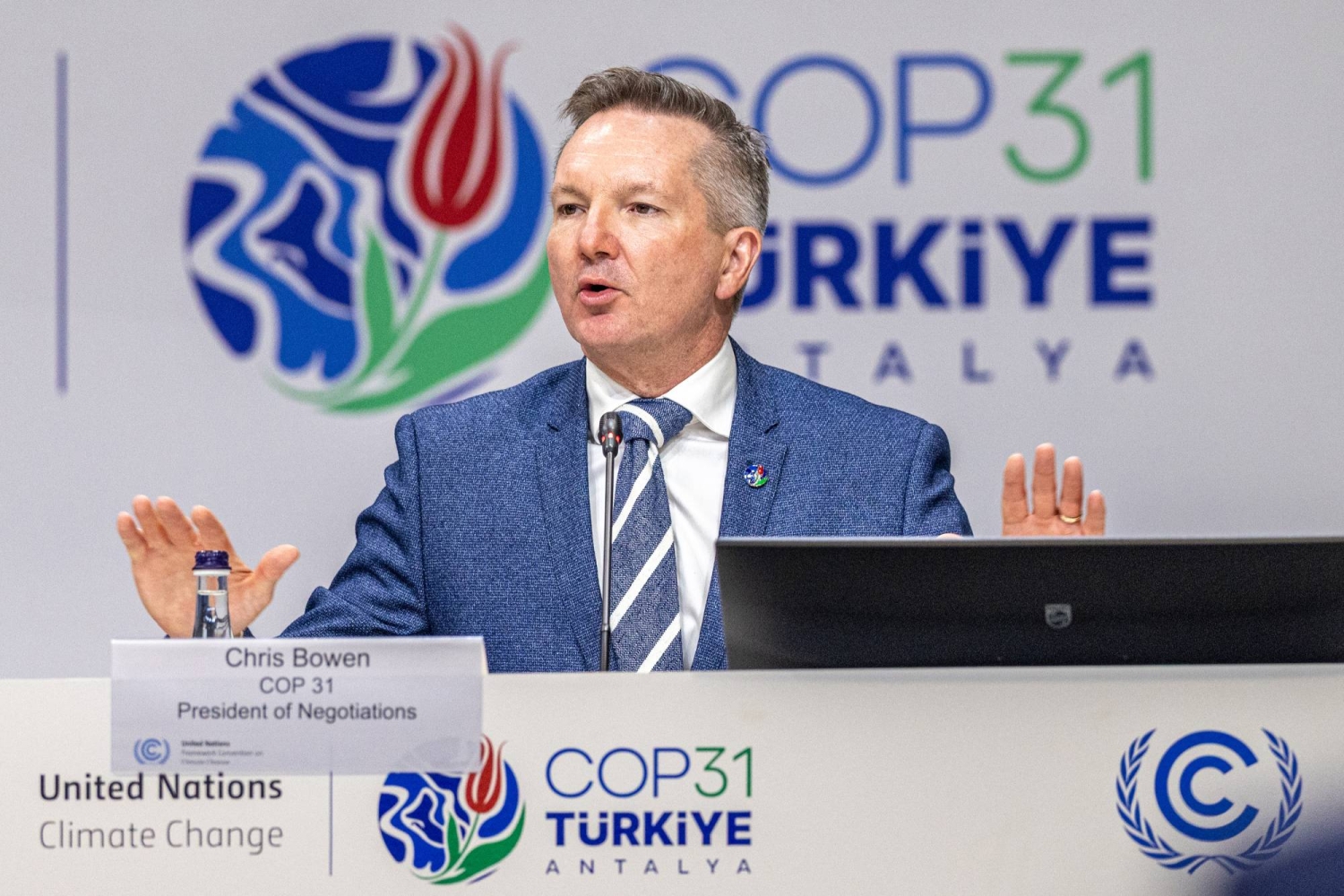
澳大利亚能源与气候变化部长、COP31谈判牵头人克里斯·鲍文周一对记者表示,将该目标纳入草案意在“推进工作”,并不预示它会保留在最终的共识协议中。
Chris Bowen, the Australian energy and climate minister leading negotiations at COP31, told reporters on Monday that the target’s inclusion was about “continuing the work,” and less an indicator it would remain in a final consensus agreement.
Khanna表示,为缓和分歧,组织者本可以评估40或50个不同经济和能源体系“典型”的国家,然后估算每个国家加快电气化的速度,将这些路径结合起来来检验全球目标。
Khanna said to ease differences, the organizers could have assessed 40 or 50 countries across different economic and energy-system “archetypes” and then estimated how quickly each could accelerate electrification, combining those pathways to test the global target.
Khanna表示,非洲面临的直接挑战是扩大能源获取,而印度需要电气化交通以应对污染并实现工业脱碳。他补充说,印度尼西亚的群岛地理带来了不同的基础设施挑战。“你需要采取自下而上的方法,审视不同类型的国家,看看它们如何能实现更高的电气化率。”他说,世界银行、国际太阳能联盟和国际可再生能源署可以帮助各国政府设计政策和融资结构,并计算化石燃料进口减少将如何影响财政赤字。他说,此类分析将帮助各国判断该目标是否在经济和气候两方面都合理。
Africa’s immediate challenge is expanding energy access, while India needs to electrify transport to address pollution and decarbonize industry, Khanna said. Indonesia’s archipelagic geography presents a different infrastructure challenge, he added. “You need to have a bottom-up approach of looking at different types of countries and seeing how can they can achieve higher electrification.”The World Bank, ISA and the International Renewable Energy Agency could help governments design policies and financing structures and calculate how lower fossil-fuel imports would affect fiscal deficits, he said. Such analysis would help countries judge whether the target makes economic as well as climate sense, he said.
Khanna表示,“电气化应该是未来十年的最大优先事项之一。显然,这需要融资。”“这是一个棘手的问题,因为经历了所有这些战争之后,世界已经没有融资了,但这是发展中国家的合理诉求。”
“Electrification should be one of the biggest priorities for next decade. Obviously it requires financing,” Khanna said. “That is a difficult question because the world doesn’t have financing after all these wars, but it’s a fair demand of developing countries.”