曼谷:东南亚的用电量达到历史新高,但这种增长主要源于需求上升,而非化石燃料的替代,这凸显了该地区面临的挑战,因为世界领导人正在COP31推动一项新的全球电气化目标。
BANGKOK: Southeast Asia is using more electricity than ever, but much of that growth is from rising demand rather than replacing fossil fuels, highlighting the challenges facing the region as world leaders push a new global electrification target at COP31.
在本周于土耳其举行的联合国主导气候谈判中,COP31主席国正在推广“35×35全球电气化承诺”,旨在到2035年将电力在全球能源消费中的占比提高至35%。
At United Nations-led climate talks in Türkiye this week, the COP31 presidency is promoting the 35-by-35 Global Electrification Pledge, which aims to increase electricity's share of global energy consumption to 35 per cent by 2035.
该承诺旨在将关注点转向实用技术和落实执行,而非单纯依赖减排目标。
The pledge is designed to shift attention towards practical technologies and implementation rather than relying exclusively on emissions reduction targets.
根据国际能源署(IEA)本月发布的一份报告,该地区从电力获取的能源占比已高于全球平均水平,为25%,而全球平均为23%。
The region already gets a greater share of its energy from electricity than the global average, 25 per cent compared with 23 per cent, according to a report released this month by the International Energy Agency (IEA).
但报告发现,这一进展很大程度上来自于空调、电器和工业活动带来的电力需求增长,而非摆脱对煤炭、石油和天然气的依赖。
But the report found that much of that progress has come from growing electricity demand for air conditioning, appliances and industrial activity, rather than shifting away from reliance on coal, oil and gas.
对于电力需求激增但化石燃料仍深深植根于国民经济的东南亚而言,专家表示,加速这一转型远非易事。
For Southeast Asia, where electricity demand is soaring but fossil fuels remain deeply embedded in national economies, experts say accelerating that shift will be far from straightforward.
澳大利亚国立大学克劳福德公共政策学院研究员陶南渡(Thang Nam Do,音译)表示:“扩大用电并不会自动转化为更低的排放,除非发电变得更清洁。”
"Expanding electricity use also does not automatically translate into lower emissions unless electricity generation becomes cleaner," said Thang Nam Do, a fellow at the Australian National University's Crawford School of Public Policy.
电气化意味着在交通、工业流程和建筑领域用电力取代化石燃料的直接使用。其范围远超电动汽车,尽管电动汽车是最显眼的例子之一。热泵和电动汽车等电力技术将能源转化为有用功的效率远高于内燃机或燃气锅炉,后者大部分能量以废热形式损失。
Electrification means replacing direct fossil fuel use with electricity across transport, industrial processes and buildings. It goes well beyond electric vehicles, although those are among the most visible examples. Electric technologies - such as heat pumps and electric vehicles - convert energy into useful work far more efficiently than internal combustion engines or gas boilers, which lose most of their energy as waste heat.
“这一次推动的不同之处在于,它将焦点从单纯产生清洁能源,转移到从根本上改变整个经济体系消费能源的方式上,”全球可再生能源联盟(GRA)首席执行官布鲁斯·道格拉斯说,该联盟是一个国际可再生能源行业组织联盟。
"What sets this push apart is that it shifts the focus from simply generating clean power to fundamentally transforming how we consume energy across the entire economy," said Bruce Douglas, CEO of Global Renewables Alliance (GRA), a coalition of international renewable energy industry organisations.
根据峰会主席团提供的数据,截至周三(11月18日),已有75个国家和94个组织支持这项自愿电气化承诺,在COP31期间,对该承诺的支持力度不断增强。
Support for the voluntary electrification pledge has grown during COP31, with 75 countries and 94 organisations backing the initiative as of Wednesday (Nov 18), according to figures provided by the summit presidency.
菲律宾、新加坡和柬埔寨是欧盟委员会“立即电气化”联盟的成员,该联盟支持加速在各经济体中使用电力的努力。
The Philippines, Singapore and Cambodia are members of the European Commission's Electrify Now coalition, which supports efforts to accelerate the use of electricity across economies.
但据路透社报道,争取更广泛支持该目标的努力遭遇阻力,一些发展中国家反对将其纳入峰会的最终宣言。
But efforts to secure wider backing for the target have encountered resistance, with some developing countries opposing its inclusion in the summit's final declaration, according to Reuters.
越南警告说,在不考虑国家具体情况的情况下,不应强加新的全球目标或部门特定的减排义务,尽管它并未明确拒绝COP31的自愿承诺。
Vietnam has cautioned against imposing new global targets or sector-specific emissions obligations without accounting for national circumstances, although it has not explicitly rejected the voluntary COP31 pledge.
这种分歧反映出政治分歧,这些分歧一再阻碍争取更雄心勃勃的减排承诺的努力,特别是在各国应如何分担应对气候变化的负担这一问题上。
The disagreement reflects the political divisions that have repeatedly hampered efforts to secure more ambitious emissions reduction commitments, particularly over how countries should share the burden of tackling climate change.
全球可再生能源联盟亚太区负责人雷克索·阿曼西奥表示,对煤炭的依赖——这种燃料占区域发电量的近一半——电网制约和不一致的国家政策,都有可能拖慢进展。
Coal dependence, with the fuel accounting for almost half of regional electricity generation, grid constraints and inconsistent national policies threaten to slow progress, said GRA's regional lead for Asia-Pacific, Rexor Amancio.
他说:“我会形容东南亚的进展是令人鼓舞的,但不均衡,当然远未达到所需的规模。”
"I would describe Southeast Asia's progress as encouraging, but uneven, and certainly not yet at the scale required," he said.
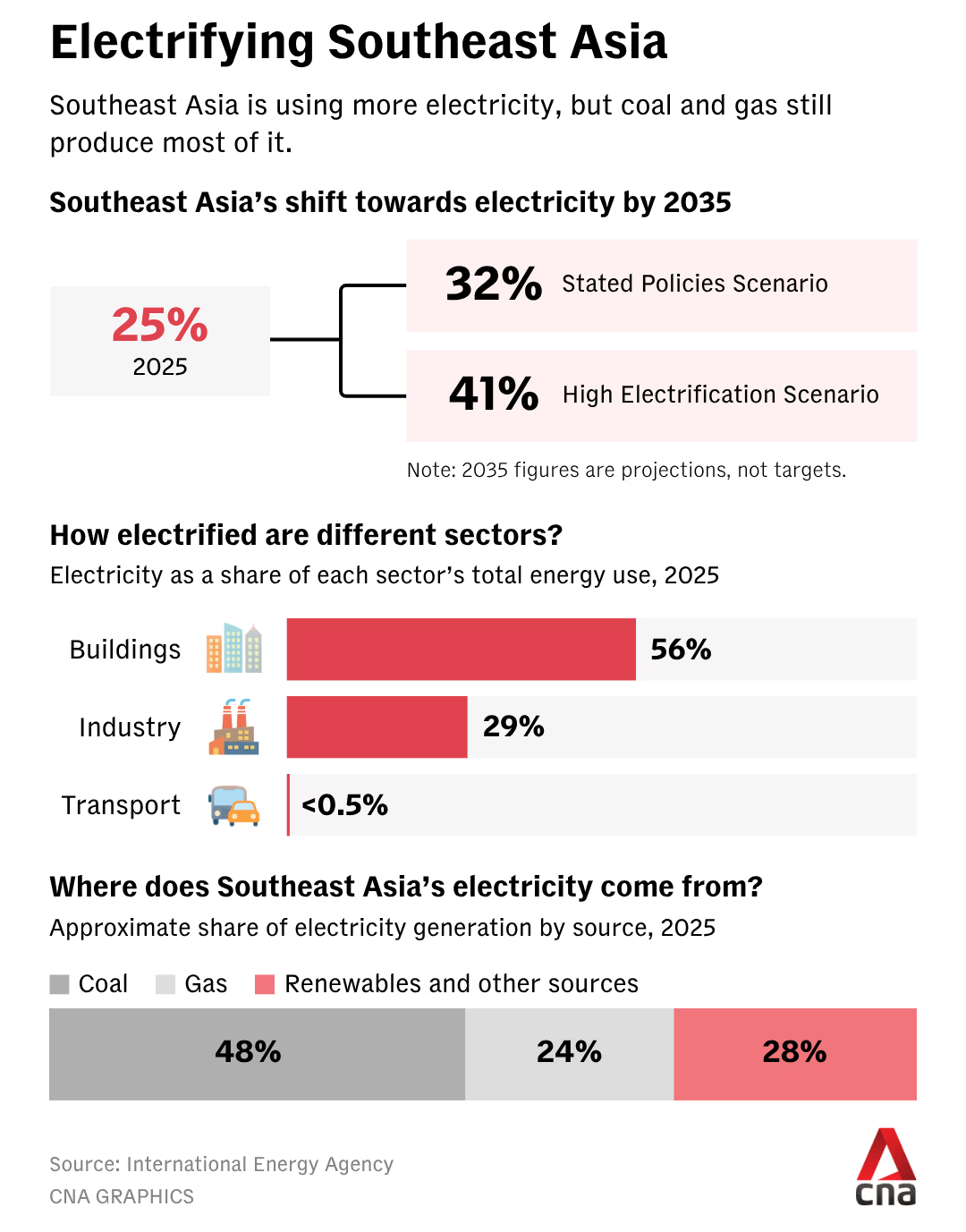
根据国际能源署的数据,在现行政策下,到2035年,东南亚的电气化份额可能增加到32%。其报告中概述的一个更雄心勃勃的情景将这一比例定在41%。
Under existing policies, Southeast Asia's electrification share could increase to 32 per cent by 2035, according to the IEA. A more ambitious scenario outlined in its report puts it at 41 per cent.
这将要求在交通、工业和建筑领域更快地采用电气化技术,同时大幅投资可再生能源、电网和基础设施,以支撑不断增长的需求。
That would require much faster adoption of electric technologies across transport, industry and buildings, alongside major investments in renewable energy, electricity grids and infrastructure to support growing demand.
国际能源署新加坡区域合作中心负责人陈思恩表示,除了是一项气候承诺外,向电力转型也已成为经济当务之急,今年的能源危机促使各国政府重新审视其对进口燃料的依赖。
Beyond being a climate commitment, the shift to electricity has also become an economic imperative, with this year's energy crisis prompting governments to reconsider their dependence on imported fuels, said Sue-Ern Tan, head of the IEA Regional Cooperation Centre in Singapore.
根据国际能源署数据,在能源危机爆发前,东南亚约60%的原油进口来自中东。
Around 60 per cent of Southeast Asia's crude oil imports came from the Middle East before the energy crisis, according to the IEA.
该机构预测,该地区的能源进口账单将在2026年达到1600亿美元,这给各国政府带来压力,迫使其重新评估国家能源战略、技术和国际伙伴关系。
The agency projects that the region's energy import bill will reach US$160 billion in 2026, adding pressure on governments to reassess their national energy strategies, technologies and international partnerships.
陈思恩对新加坡亚洲新闻台表示:“特别是,它们正在寻找在国内生产更多能源的方法。”
"In particular, they're looking at ways to produce more energy domestically," Tan told CNA.
化石燃料占主导地位 自2015年以来,东南亚电力需求增长超过60%,这得益于工业增长、城市扩张和收入增加。这一增速远快于该地区整体能源消费的增速。但各国经济的许多部门仍未实现电气化,或仍由肮脏能源驱动。
FOSSIL FUELS DOMINATE Electricity demand in Southeast Asia has risen by more than 60 per cent since 2015, driven by growing industries, expanding cities and rising incomes. That is much faster than the region's overall energy consumption. But many parts of national economies remain unelectrified or fuelled by dirty energy.
交通部门是一个明显的例子。道路上电动汽车的数量是技术变革的一个可见指标。
The transport sector is a clear example. The number of electric vehicles on the road is a visible indicator of changing technologies.
然而,尽管2026年上半年电动汽车约占东南亚新车销量的30%,但去年电力仅满足了该地区交通能源需求的0.5%以下,反映出现有车队仍严重依赖石油。
Yet while EVs accounted for around 30 per cent of new car sales in Southeast Asia in the first half of 2026, electricity supplied less than 0.5 per cent of the region's transport energy needs last year, reflecting how heavily the existing vehicle fleet still relies on oil.
工业流程的情况较好——电气化率达29%——但许多工厂仍燃烧煤炭和天然气以生产热能,尽管电力替代方案已可用,如电锅炉和热泵。
Industrial processes fare better - at 29 per cent electrified - but many factories still burn coal and gas to produce heat, even though electric alternatives are already available, such as electric boilers and heat pumps.
“问题在于我们如何更快地在建筑、工业领域,当然还有交通领域推广应用,那里有一些容易实现的突破口,”谭说。
“It's how do we deploy that more quickly across buildings, across industry and of course across transport, where there are some easy wins that can be done,” Tan said.
国际能源署发现,过去十年里,工厂转向用电的投资几乎没有增加。杜说:“这些挑战既关乎治理和政治经济,也关乎技术。”
The IEA found that investment in switching factories to electricity has barely increased over the past decade. "Many of these challenges are as much about governance and political economy as they are about technology," said Do.
电气化可以提高效率、减少直接燃料消耗,但其整体减排效益取决于电力供应结构。
Electrification can improve efficiency and reduce direct fuel consumption, but its overall emissions benefits depend on the electricity supply.
例如,如果电动汽车使用燃煤电厂发的电充电,车辆尾气排放会减少,但能源系统其他环节仍在持续产生排放。
If an EV is charged using electricity generated by a coal-fired power plant, for example, emissions are reduced at the vehicle's tailpipe but continue to be produced elsewhere in the energy system.
国际能源署报告称,煤电占东南亚总发电量的近一半,天然气发电占近四分之一。在其高电气化情景下,到2035年,可再生能源发电量需要增加两倍多,才能满足所有新增需求。
The IEA reported that coal generates almost half of Southeast Asia's total electricity, while gas supplies nearly another quarter. And renewable generation would need to more than triple by 2035 to meet all additional demand in its high-electrification scenario.
独立全球能源智库Ember的亚洲战略影响力负责人迪尼塔·塞蒂亚瓦蒂警告,如果不扩大清洁电力供应,可能会削弱电气化的气候效益。
Dinita Setyawati, Asia strategic impact lead at Ember, an independent global energy think tank, warned that failing to expand clean power supplies could undermine the climate benefits of electrification.
她说:“清洁电气化是工业转型的关键催化剂。但如果电力需求增长快于可再生能源部署,我们就有风险在未来几十年锁定化石燃料体系。”
"Clean electrification is a critical catalyst for industrial transformation.
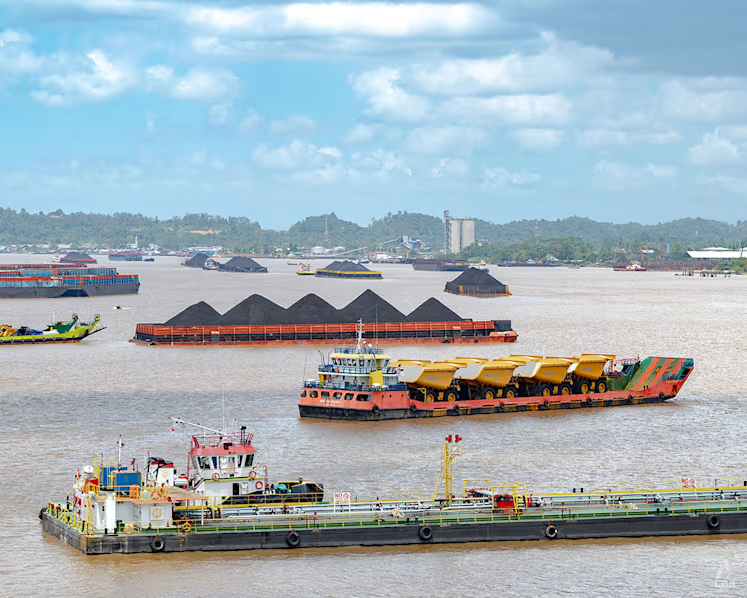
2023年8月7日,一艘运煤船在印度尼西亚东加里曼丹省的马哈坎河上航行。
But if electricity demand grows faster than renewable energy deployment, we risk locking ourselves into fossil fuel systems for decades to come," she said.
各国推进速度不一 越南最终能源消费中电力占比近30%,为东南亚最高,而柬埔寨仍低于20%。
A vessel transporting coal on the Mahakam river in East Kalimantan, Indonesia, on August 7, 2023.
这种对比凸显了该地区各国在寻求以电力替代化石燃料时面临的不同挑战。杜说,这也表明东南亚不存在通往电气化的单一路径。
A REGION MOVING AT DIFFERENT SPEEDS Vietnam gets nearly 30 per cent of its final energy from electricity, the highest share in Southeast Asia, while Cambodia remains below 20 per cent. The contrast highlights the different challenges facing countries across the region as they seek to replace fossil fuels with electricity.
“更具雄心的目标在技术上是可行的,但能否实现将取决于投资、体制能力和有效执行,”他对CNA表示。
It also shows there is no single path towards electrification in Southeast Asia, Do said.
越南已成为该地区最大的电动汽车市场,2025年售出近18万辆,约占新车销量的40%。但煤炭仍占该国发电量的近一半,限制了其不断增长的用电量带来的气候效益。
“More ambitious targets are technically feasible, but achieving them will depend on investment, institutional capacity and effective implementation,” he told CNA. Vietnam has emerged as the region’s largest electric car market, with nearly 180,000 sold in 2025, accounting for around 40 per cent of new car sales.
与此同时,总部位于雅加达的智库“基本服务改革研究所”首席执行官法比·图米瓦表示,印度尼西亚面临相互竞争的优先事项。
But coal still generates almost half of the country's electricity, limiting the climate benefits of its growing use of electric power.
政府正寻求通过扩大用电来减少对进口石油和天然气的依赖,但其工业发展政策仍在鼓励煤炭消费,特别是在矿产加工和冶炼领域。
Indonesia, meanwhile, has competing priorities, said Fabby Tumiwa, the CEO for the Institute for Essential Services Reform, a think tank based in Jakarta.
他表示,廉价的国产煤炭和受补贴的天然气也使得工厂更难证明转向用电的合理性。
The government is seeking to reduce its dependence on imported oil and gas by expanding the use of electricity, but its industrial development policies continue to encourage coal consumption, particularly in mineral processing and smelting.
印度尼西亚在实现家庭用电普及方面取得了显著进展,但在整个经济领域替代化石燃料方面成效较小。2025年,煤炭供应了其约70%的电力,工业煤炭消费持续增长。尽管在更广泛的能源规划中纳入了电气化内容,但该国缺乏包含部门具体目标的综合国家电气化战略,法比表示,如果政府在土耳其签署COP承诺,这一情况可能会改变。
Cheap domestic coal and subsidised gas also make it harder for factories to justify switching to electricity, he said. Indonesia has made substantial progress in bringing electricity to households, but has been less successful in replacing fossil fuels across its wider economy. Coal supplied around 70 per cent of its electricity in 2025 and industrial coal consumption continues to grow And the country lacks a comprehensive national electrification strategy with sector-specific targets, despite including electrification in its broader energy plans, something that could shift if the government signs onto the COP pledge in Türkiye, Fabby said.
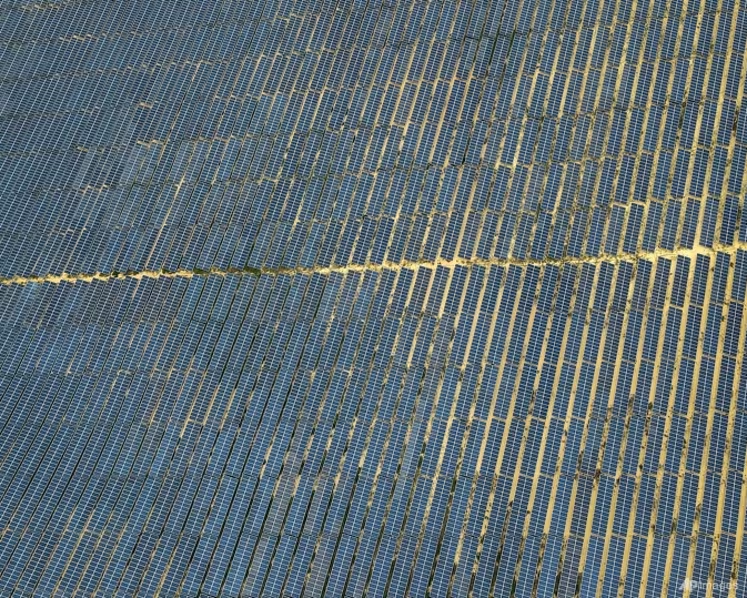
“技术已经具备。但仅通过政策和法规的改变,我们就可以在不同领域实施这类电气化措施,”他说。2023年6月11日,越南归仁的太阳能电池板在运行。
“The technology is already there. But just through a change of policy and regulation, we can implement these kinds of electrification measures in different sectors,” he said. Solar panels work in Quy Non, Vietnam on June 11, 2023.
在该地区其他地方,泰国专注于建设电动汽车制造产业,并获得政府补贴和税收优惠支持,同时也在探索在工厂中替代化石燃料的方法。
Elsewhere in the region, Thailand has focused on building an EV manufacturing industry, supported by government subsidies and tax incentives, while also exploring ways to replace fossil fuels in factories.
新加坡已扩大电动汽车的采用,并计划让更多港口作业实现电气化,尽管其有限的可再生能源资源仍是一个挑战。
Singapore has expanded EV adoption and is planning to electrify more of its port operations, although its limited renewable energy resources remain a challenge.
与此同时,菲律宾面临电价高昂和基础设施受限的问题,煤电仍占其发电量的近 60%。
The Philippines, meanwhile, faces high electricity costs and infrastructure constraints, with coal still generating nearly 60 per cent of its power.
谭女士表示,区域电力互联至关重要,并强调人们重新关注如何将东盟电网从一个长期讨论的愿景转化为实际的跨境项目,特别是在新加坡即将于 2027 年担任该区域集团轮值主席国之际。
Regional electricity integration is essential, Tan said, highlighting renewed attention on turning the ASEAN Power Grid from a long-discussed vision into actual cross-border projects, particularly ahead of Singapore's chairmanship of the regional bloc in 2027.
该电网旨在连接东南亚各国的电力网络,使各国能够跨境买卖电力、共享可再生能源资源,并减少对化石燃料的依赖。该项目已取得渐进式进展,截至 2026 年,规划中的 18 条跨境输电互联线路中已有 9 条投入运行。
The grid aims to connect electricity networks across Southeast Asia, allowing countries to buy and sell power across borders, share renewable energy resources and reduce their reliance on fossil fuels. The project has made gradual progress, with nine of 18 planned cross-border electricity connections operational as of 2026.
一项试点计划已允许老挝经由泰国和马来西亚向新加坡出口电力,而东盟各国于 11 月 15 日签署了一项强化协议,以支持进一步的区域电力贸易。
A pilot scheme already allows Laos to export electricity to Singapore through Thailand and Malaysia, while ASEAN countries signed an enhanced agreement on Nov 15 to support further regional power trading.
但巨额投资和监管障碍依然存在,国际能源署估计,到 2040 年,规划中的跨境互联线路将需要 270 亿美元的投资。
But major investment and regulatory hurdles remain, with the IEA estimating that US$27 billion will be needed for planned cross-border connections by 2040.
谭女士说:“现实是,只有共同合作,东南亚的能源未来才会更强韧,我认为这必须继续成为本地区的核心理念。”
“The reality is that Southeast Asia’s energy future is only stronger if we work together, and I think that has to continue to be a key ethos of this region,” Tan said.